Best App for Learning Italian in 2026: 8 Apps Compared

How we put this together: we compare official feature and pricing pages, app store listings, privacy policies and public user reviews. Prices change, so check the provider's site before you pay.
Key takeaways
- Duolingo is the easiest free start for daily vocabulary and basic grammar.
- Babbel suits learners who want structured lessons built around real conversations.
- Pimsleur is the best audio-first choice for commutes, driving, and hands-free practice.
- Busuu, Memrise, and LingQ cover speaking feedback, vocabulary memory, and reading in different ways.
- No app alone replaces speaking with real people, so add conversation practice when you can.
Quick comparison
| Name | Who it suits | Starting price | Free option | |
|---|---|---|---|---|
 Duolingo | Daily habit and free basics | Free | Yes | Visit |
 Babbel | Structured conversation lessons | $13.95 per month | No | Visit |
 Pimsleur | Audio-first speaking and listening | $20.95 per month | No | Visit |
 Busuu | Bite-size lessons with feedback | Free | Yes | Visit |
 Rosetta Stone | Immersive, picture-led learning | $9.99 per month | No | Visit |
 Memrise | Vocabulary memory | Free | Yes | Visit |
 LingQ | Reading and vocabulary in context | Free | Yes | Visit |
 Mondly | Gamified variety and chatbot practice | Free | Yes | Visit |
The best app for learning italian
Italian rewards regular, short practice more than occasional long sessions. The apps below take different routes to the same goal, from games and audio lessons to reading real texts and getting feedback from other learners. Pick the route that fits your day, then stick with it long enough to build a habit.
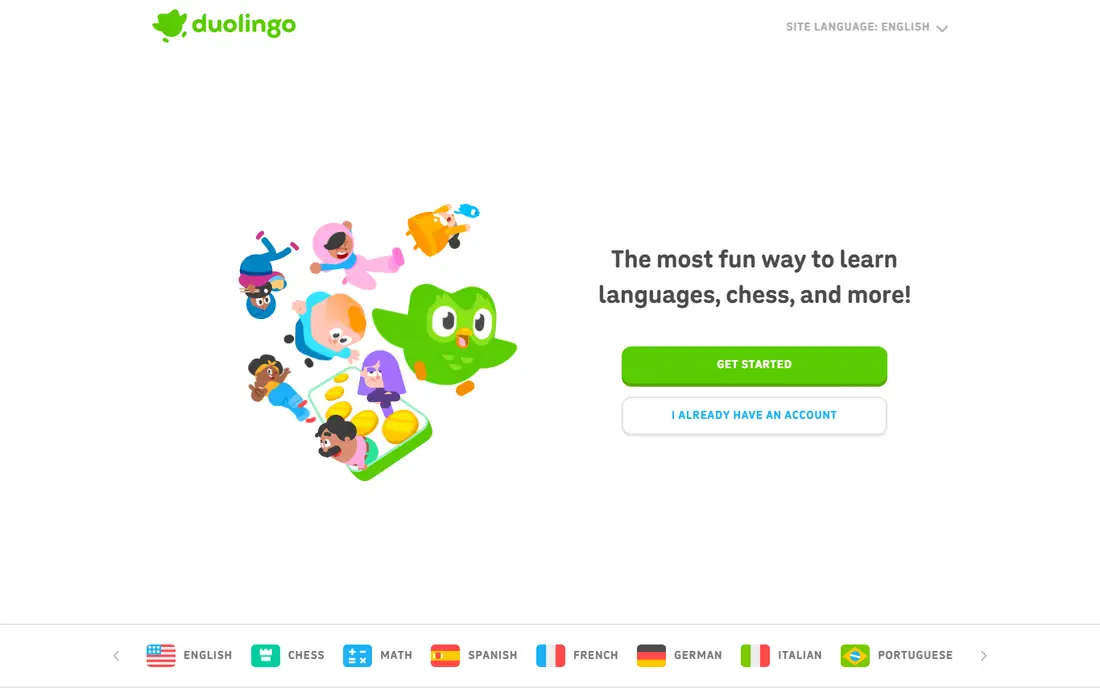
Duolingo is the easiest place to start Italian without paying anything. Lessons are short, visual, and built around matching, translation, and listening, which makes a ten-minute session feel doable on a busy day. New words and sentence patterns arrive in small steps, and streaks give a gentle reason to return tomorrow. The limits show up when you want to hold a real conversation. Speaking practice is thinner than in audio or tutor-led options, and grammar is often learned by pattern rather than by clear explanation. Use Duolingo to build vocabulary and a daily habit, then add speaking practice from another app on this list when you are ready.
- Free core lessons
- Short, game-like exercises
- Streaks and reminders support a daily habit
- Speaking practice is limited
- Grammar explanations are light
- Ads and limits on the free plan
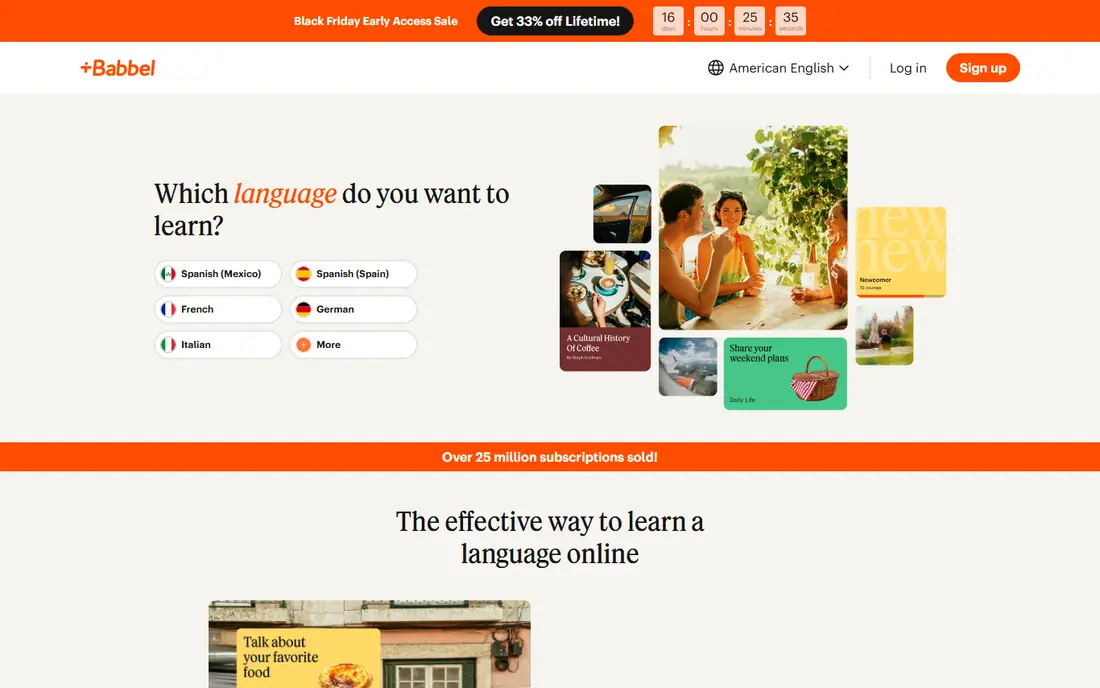
Babbel feels more like a course than a game. Lessons are organised around situations you are likely to meet, such as ordering food, asking directions, or checking into a hotel, and grammar is explained as it appears in those dialogues. That structure helps learners who want to know why a sentence works, not just how to repeat it. Review exercises bring back words at useful intervals, which helps with longer-term memory. The trade-off is a more guided path, with less open conversation than a tutor or exchange app. For travellers and structured learners, Babbel is a strong core app, especially when paired with listening or speaking practice elsewhere.
- Lessons built around realistic dialogues
- Clear grammar notes
- Review sessions for retention
- No ongoing free plan
- Less free-form conversation
- Subscription needed for full courses

Pimsleur teaches Italian mainly by listening and speaking, which makes it ideal for commutes, walks, and driving. Each lesson introduces a small set of phrases, asks you to recall them at growing intervals, and builds them into longer exchanges. You learn to hear Italian sounds and respond without looking at a screen. Reading and writing get less attention, so Pimsleur works best as part of a wider routine rather than the only tool. Pair it with a reading app or a short written exercise if you need to read menus, signs, and messages on a trip. For pronunciation and confidence in speaking, it remains one of the most focused options available.
- Strong pronunciation and listening focus
- Hands-free lessons
- Spaced recall built into each lesson
- No free plan
- Less reading and writing practice
- Price is high compared with game-like apps
Busuu breaks Italian into short lessons that fit a lunch break or a short train ride. Vocabulary, grammar, and dialogue exercises are kept compact, and the level path makes it clear what comes next. The community feature lets other learners correct your spoken and written exercises, which adds a human element that many solo apps lack. Feedback quality varies, since it comes from other users rather than a teacher, so treat corrections as helpful input rather than a final verdict. The free plan is enough to test the style, while the paid plan opens more lessons and offline access. Busuu is a good middle ground between a game and a formal course.
- Short lessons for busy days
- Community feedback on speaking and writing
- Clear level progression
- Full features need a paid plan
- Community feedback varies in quality
- Less depth than full courses
Rosetta Stone teaches Italian through pictures, audio, and context, with very little translation into English. You match words to images, hear native pronunciation, and build meaning from repeated patterns. Speech recognition gives feedback on pronunciation, which helps learners who want to sound more natural early on. The immersive style does not suit everyone. Learners who want grammar explained in plain terms may find the lack of direct rules frustrating, and progress can feel gradual. If you learn well by association and repetition, and you prefer an app that keeps you in Italian as much as possible, Rosetta Stone is worth considering.
- Immersive method with little English translation
- Speech recognition for pronunciation
- Structured levels
- No free plan
- Grammar rules are not explained directly
- Pace can feel slow for some learners
Memrise is best used as a vocabulary engine beside a main course. It uses spaced repetition to bring words back just before you are likely to forget them, and short video clips show how native speakers actually say phrases. That mix helps words stick better than a plain word list. It is not a complete Italian course on its own, since grammar and conversation need more structure than flashcards provide. Used for ten minutes a day alongside Babbel, Duolingo, or Pimsleur, Memrise fills a clear gap. Start free, focus on words you meet in your main course, and avoid collecting vocabulary you never use in sentences.
- Strong spaced repetition for vocabulary
- Video clips of native speakers
- Free tier for core study
- Not a full grammar course
- Paid features needed for full content
- Quality varies across courses
LingQ takes a different route, by letting you read Italian texts and turn unknown words into saved vocabulary. You can import articles, stories, or lesson texts, listen to the audio, and build a personal word bank from words you meet in real sentences. That context makes vocabulary easier to remember than isolated lists. Absolute beginners may find the open library less guided than a structured course, since you choose what to read. Once you can handle simple sentences, LingQ becomes a strong second app for reading and listening. The free plan lets you test the method, while paid plans raise the limits on saved words and imported lessons.
- Learn from texts you enjoy
- Vocabulary saved in context
- Audio paired with reading
- Free plan is limited
- Interface takes time to learn
- Better for intermediate learners than absolute beginners
Mondly mixes vocabulary games, phrase lessons, and chatbot conversations into short daily sessions. The chatbot gives a low-pressure way to practise simple exchanges, such as greetings, travel phrases, and everyday questions, without worrying about a real person judging your mistakes. Speech recognition adds pronunciation practice to the mix. Depth is the limit. Mondly is fun and varied, but it does not replace a structured grammar course for learners who want to progress beyond the basics. Use it as a warm-up, a travel phrase tool, or a second app for variety, and pair it with a course app if you want steady progress through the levels.
- Varied exercises and chatbot conversations
- Speech recognition
- Daily lessons and challenges
- Free content is limited
- Depth is lower than structured courses
- Some features need a paid plan
How we picked these
We compared official feature pages, pricing pages, and app store listings, along with public reviews, to check what each app teaches and how it charges. We looked for Italian courses that are still available, clear pricing, and a distinct strength, whether that is habit building, audio practice, reading, or feedback. We favoured a mix of free and paid options so readers can start without paying. We did not claim hands-on testing for every lesson, and prices and free limits change, so check the vendor site before you subscribe. The list focuses on self-study apps, with conversation practice noted as a useful addition rather than a feature every app must provide.
Choosing the right Italian app
Start with how you learn and when you study. A commuter needs audio, a reader needs texts, and a traveller needs phrases for real situations. Matching the app to your day matters more than picking the app with the longest feature list, since the app you open daily will teach you more than the one you admire and ignore.
Set a small daily target
Ten to twenty minutes a day beats an occasional long session for most learners. Pick a time tied to an existing habit, such as a morning coffee or a commute, and keep the target small enough to meet on a busy day. A streak is useful only if it reflects real study, so restart without guilt after a missed day.
Add speaking early
Apps build vocabulary and grammar, but speaking needs practice with real sentences spoken aloud. Read lesson dialogues aloud, repeat Pimsleur prompts, and use chatbot or community features where they exist. When you can hold simple exchanges, a tutor or language exchange session will move you faster than another round of flashcards.
Plan for a trip or a level goal
If you travel soon, focus on phrases for transport, food, accommodation, and directions, and practise listening to natural speed speech. If you want steady progress, follow one structured course from start to finish before adding a second app. Clear goals make it easier to judge whether an app is working or just entertaining.
Frequently asked questions
What is the best app to learn Italian for free?
Duolingo is the most complete free starting point for vocabulary and basic grammar, with short daily lessons and no upfront cost. Busuu, Memrise, LingQ, and Mondly also offer free tiers, though full content usually needs a paid plan. Try a free app for two weeks, and pay only when you know which teaching style keeps you studying.
Can I learn Italian only with an app?
An app can build vocabulary, grammar, and listening skills, but speaking with real people is a separate skill. Many learners reach a basic conversational level with apps plus regular speaking practice, such as a tutor, a language exchange, or reading dialogues aloud. If you only study in an app, expect reading and listening to progress faster than speaking.
What is the best app for learning Italian for travel?
Babbel and Mondly are practical for travel, since their lessons focus on phrases for everyday situations. Pimsleur helps with pronunciation and listening on the move, which matters when you need to understand replies, not just ask questions. Before a trip, practise the phrases you will actually use, and learn numbers, directions, and polite forms.
How long does it take to become conversational in Italian?
Time varies with study habits, prior language experience, and speaking practice. Regular daily study over several months can build a basic conversational level for everyday topics, while confident, wide-ranging conversation takes longer. Consistency matters more than speed, so a realistic daily routine will beat a short burst followed by a long break.
Is Babbel or Duolingo better for Italian?
Duolingo is better for a free, game-like daily habit and basic vocabulary, while Babbel is better for structured lessons with clearer grammar and realistic dialogues. Many learners use Duolingo to start and Babbel as a main course, or use one as the core app and the other for review. Choose the style you will actually open each day.
Sources we checked (8)

Online Jobs is an independent blog about careers, online work, learning new skills and the tools that help people earn. More about us.
Keep reading
All posts
Best Udemy Alternatives
Explore the best Udemy alternatives for 2026, including Coursera, Skillshare, and LinkedIn Learning, with pricing, certificates, and who each platform suits.
Best Tools for Virtual Tutoring
Compare the best tools for virtual tutoring, from one-to-one tutor marketplaces to free self-paced learning, with pricing, subjects and honest limits.
Best Study Apps for Young Children
Compare the best study apps for young children in 2026, from Khan Academy Kids and ABCmouse to Reading Eggs, Starfall, Duolingo ABC and PBS Kids, with prices.