Best App for Calorie Counting in 2026: 8 Apps Compared

How we put this together: we compare official feature and pricing pages, app store listings, privacy policies and public user reviews. Prices change, so check the provider's site before you pay.
Key takeaways
- MyFitnessPal has the largest food database, but barcode scanning and other key tools now sit behind Premium.
- Cronometer is the strongest free option for nutrient detail, tracking dozens of nutrients with verified entries.
- Lose It and FatSecret offer the most usable free tiers for simple calorie goals.
- MacroFactor is the pick for lifters who want targets that adjust as weight changes, but it has no free tier.
Quick comparison
| Name | Who it suits | Starting price | Free option | |
|---|---|---|---|---|
 MyFitnessPal | Largest food database | Free | Yes | Visit |
 Cronometer | Nutrient detail and accuracy | Free | Yes | Visit |
 Lose It | Simple weight-loss tracking | Free | Yes | Visit |
 MyNetDiary | Value and fast logging | Free | Yes | Visit |
 MacroFactor | Adaptive macro coaching | $71.99 per year | Free trial | Visit |
 FatSecret | Generous free tier | Free | Yes | Visit |
 YAZIO | Fasting plus calorie tracking | Free | Yes | Visit |
 Carb Manager | Low-carb and keto tracking | Free | Yes | Visit |
The best calorie counting apps
Calorie counting apps are general information tools, not medical advice. If you have diabetes, an eating disorder history, or another health condition, talk to a clinician before setting a calorie target. The apps below differ mainly in database quality, free-tier generosity, and how much coaching they add.
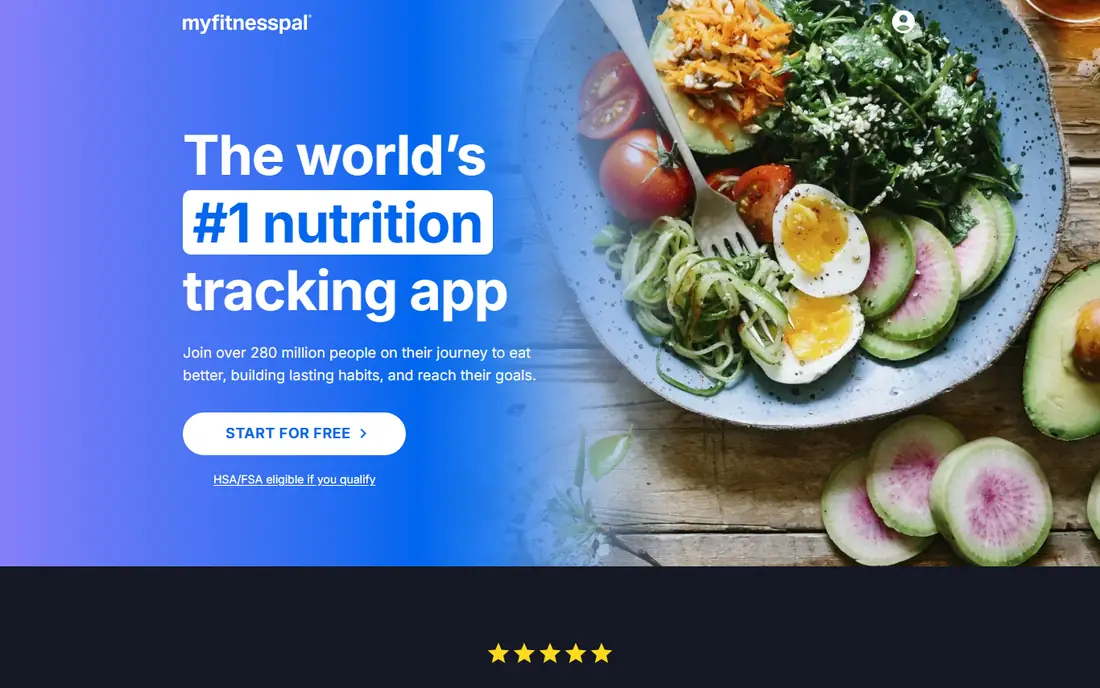
MyFitnessPal remains the default recommendation for a simple reason: it is the most likely app to already contain the exact restaurant dish or packaged food you just ate. That coverage saves typing and guessing, which is what keeps people logging past week two. Device integrations are also broad, so steps and workouts can flow in without manual entry.
The catch is the paywall creep. Barcode scanning, voice logging, and per-meal macro targets now require Premium at $79.99 per year, which is steep for tools rivals give away free. If you mainly log simple meals and do not need those tools, the free plan still works. If you scan everything, price a rival first.
- Very large food database
- Broad device and app integrations
- Recipe and meal tools
- Barcode scanning and per-meal macro targets sit in Premium
- Premium costs $79.99 per year
- Ads on the free plan
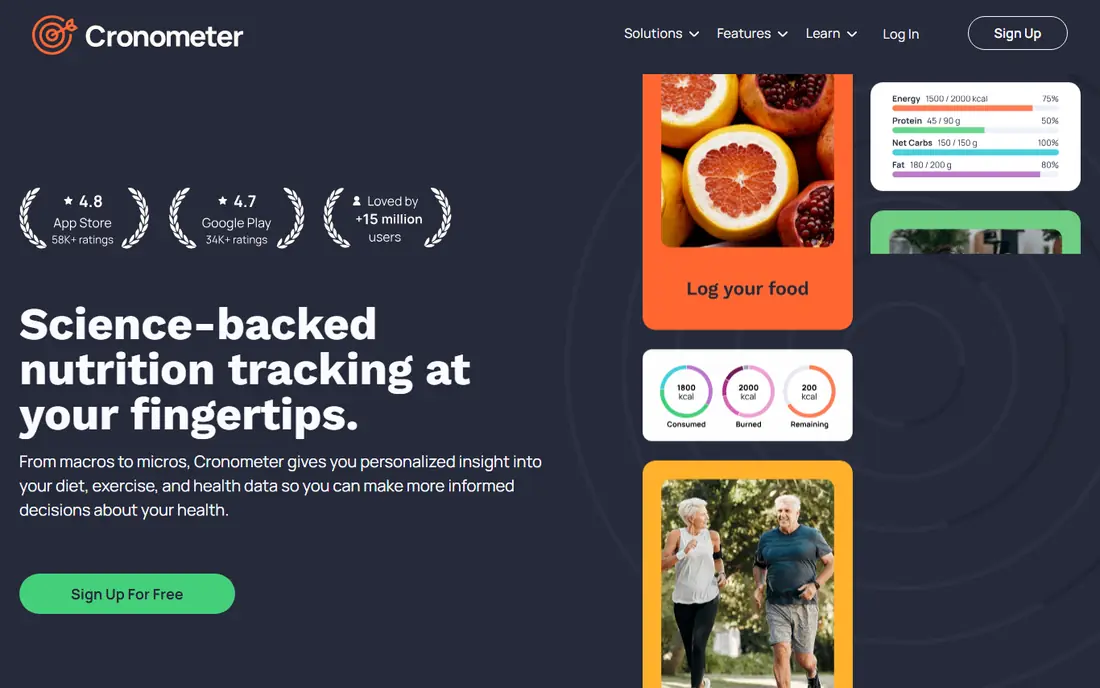
Cronometer is our pick for people who care about more than calories. The free plan tracks vitamins, minerals, and macros from lab-verified entries, which reduces the junk entries that pollute user-built databases. Custom macro targets by grams are free, a feature MyFitnessPal charges for.
The trade-off is feel. The interface is plain and data-heavy, and the database, while verified, is smaller, so obscure restaurant items may need manual entry. Gold at $59.99 per year adds fasting, recipe tools, and a macro scheduler, but most users will not need it to start.
- Tracks up to 84 nutrients
- Verified food entries
- Custom macro targets free
- No paywall on core logging
- Food database is smaller than MyFitnessPal
- Interface feels clinical
- Gold costs $59.99 per year for extra tools
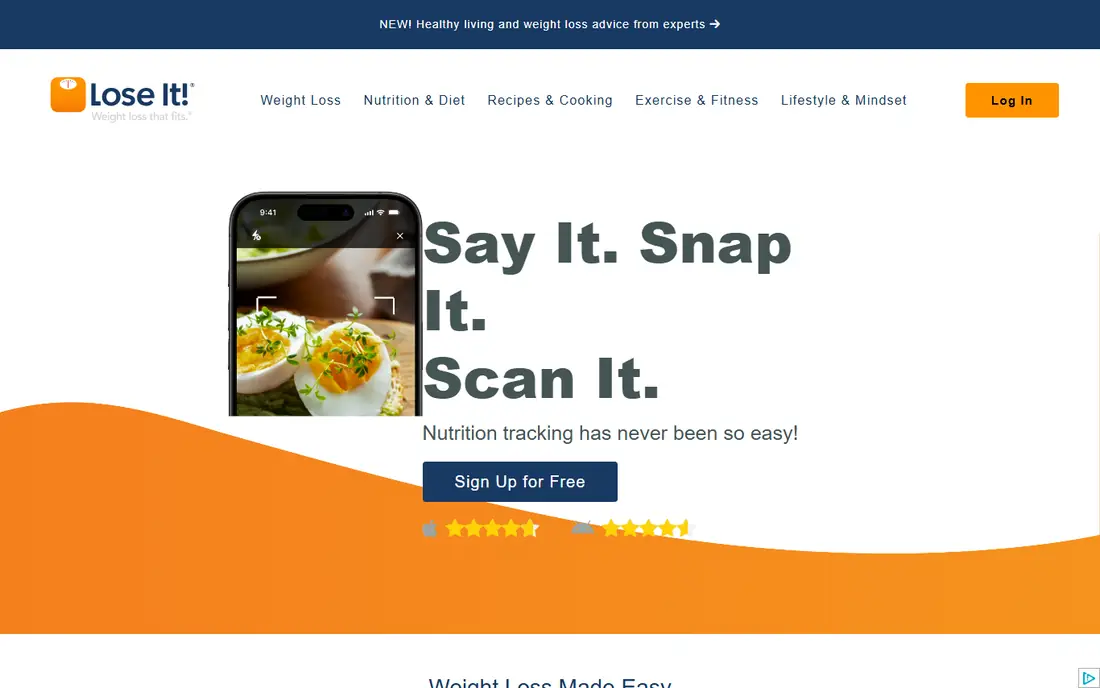
Lose It is the easiest switch for people leaving MyFitnessPal. The design is calm, logging takes few taps, and weight trends are shown clearly without a nutrition degree. Photo logging and barcode tools help on busy days when typing a full meal feels like too much.
The free plan covers the basics well, but deeper macro control and some planning tools require Premium, whose price you should check on the app store listing before subscribing, since it varies by promotion. For a simple calorie and weight goal, the free tier is enough to judge whether the habit sticks.
- Clean, beginner-friendly design
- Photo and barcode logging
- Goal and weight trend tools
- Some premium features sit behind a paid plan
- Macro customization is limited on free
- Fewer nutrient details than Cronometer
MyNetDiary wins on value. Premium costs $59.99 per year, well below MyFitnessPal, and free users still get macro targets by grams and solid logging tools. Independent logging tests have also found it faster than rivals for entering the same meals, which matters more than any single feature when you log three times a day.
The weakness is community and database depth. Fewer friends use it, and restaurant coverage trails MyFitnessPal. If you log mostly home-cooked meals and packaged foods, that gap rarely shows. If you eat out often, check the database during the free trial period of use before committing.
- Fast logging in independent speed tests
- Premium at $59.99 per year
- Macro targets by grams free
- Smaller community than MyFitnessPal
- Some advanced tools need Premium Plus
- Interface is functional rather than pretty
MacroFactor is built for people who train seriously and want numbers that move with them. Instead of a fixed target, its algorithm updates your expenditure estimate and macro targets as you log weight and food, which suits lifters in a cut or a bulk. At $71.99 per year, it costs less than MyFitnessPal Premium while doing a more specific job.
The catch is commitment. There is no free tier, only a 7-day trial, so casual users should try a free app first. It also lacks the social and recipe breadth of larger apps. Buy it for adaptive coaching, not for casual meal logging.
- Targets adjust as your weight and intake change
- Strong for lifters
- Expenditure estimate updates weekly
- No free tier beyond a 7-day trial
- No free community features
- Overkill for casual calorie counting
FatSecret is the best truly free calorie counter. Barcode scanning and the full database stay free, which is exactly where other apps now charge. Community journals and challenges add a light social layer without pushing a subscription at every step.
The downside is polish. The app looks dated next to Lose It or YAZIO, and nutrient detail is thinner than Cronometer. If your priority is free, unlimited basic tracking, those flaws are easy to forgive. If you want coaching or deep nutrition data, look elsewhere.
- Barcode scanning free
- Full food database free
- Community and journal features
- Interface feels dated
- Premium tools are modest
- Nutrient detail trails Cronometer
YAZIO suits people who combine calorie counting with intermittent fasting. Fasting timers, meal plans, and calorie goals live in one app, so you do not need a second timer app. The design is clean, and logging is quick for repeat meals.
The free plan covers basic logging, but fasting plans and some recipe tools require Pro, so check the current Pro price in the app store before subscribing. Anyone who does not fast gains less here than from Cronometer or FatSecret.
- Intermittent fasting timers built in
- Clean design
- Large food database
- Pro features, including fasting plans, sit behind a paid plan
- Nutrient detail is lighter than Cronometer
Carb Manager is the clear pick for low-carb and keto eaters. Net carbs, not just total carbs, are front and center, and the recipe and meal plan tools are built around that way of eating. Premium costs $39.99 per year on recent listings, which is cheaper than most rivals.
For general calorie counting, the keto focus can feel like clutter, and the database leans toward low-carb foods. If you do not track net carbs, a general app like Lose It or MyNetDiary will feel simpler.
- Net carb tracking free
- Keto recipes and meal plans
- Macro targets by grams free
- Full premium features cost extra
- Database leans low-carb
- General users may find keto focus distracting
How we picked these
We compared official pricing pages, app store listings, and public feature descriptions for calorie counting apps available in the United States in 2026. We favored apps with a usable free tier or a clear paid value, verified food databases, and honest limits. We did not claim hands-on testing, and we avoided repeating database size claims we could not tie to a vendor or store listing.
How to choose the right calorie app
Start with the free tier, not the premium pitch
Log for two weeks free before paying. The app you actually open at dinner matters more than the one with the longest feature list. If logging feels slow or the database misses your usual foods, switch early rather than paying to fix a habit problem.
Decide what you track beyond calories
If you only need calories and weight, Lose It or FatSecret is enough. If you track protein, fiber, or micronutrients, Cronometer or MyNetDiary earns its place. Lifters who want targets that adjust should trial MacroFactor, and keto eaters should start with Carb Manager.
Watch for the paywall that matters to you
Barcode scanning, fasting timers, and gram-level macro targets are the three features most often paywalled. Check which of those you use daily, then pick the app that includes it free. Paying $80 a year for a scanner you use twice a day is a poor deal when FatSecret includes it.
Portion estimates decide accuracy more than the app you pick. Weighing food for a few weeks teaches you what a serving actually looks like, and that skill carries over even if you switch apps later. Restaurant meals will always be estimates, so log them honestly, note the uncertainty, and judge progress by the weekly trend rather than any single day.
Frequently asked questions
What is the best calorie counting app?
MyFitnessPal has the largest database, Cronometer has the best nutrient detail, and Lose It is the simplest for beginners. The best app for calorie counting depends on whether you value database size, free tools, or coaching most.
What are the best calorie counting apps that are free?
FatSecret and Cronometer offer the most generous free tiers, with barcode scanning free on FatSecret and deep nutrient tracking free on Cronometer. Lose It and MyNetDiary also cover basic calorie goals free.
Is calorie counting safe?
Calorie counting is general information, not medical advice, and it is not suitable for everyone. People with a history of disordered eating, diabetes, or other health conditions should talk to a clinician before setting targets, and should stop if tracking causes distress.
How accurate are calorie counting apps?
Accuracy depends on the database entry and your portion estimates. Verified entries, like those Cronometer favors, tend to be more reliable than user-submitted entries, and weighing food beats guessing portions. Treat daily totals as estimates, not exact measurements.
Do I need to pay for a calorie counting app?
Most people do not. Free tiers from FatSecret, Cronometer, Lose It, and MyNetDiary cover calorie and macro logging. Pay only if you need a specific premium tool, such as adaptive coaching in MacroFactor or fasting plans in YAZIO.
Sources we checked (8)

Online Jobs is an independent blog about careers, online work, learning new skills and the tools that help people earn. More about us.
Keep reading
All posts
Best workout apps for women
Compare the best workout apps for women in 2026, from free guided classes to structured strength plans, with current prices, free plans and honest trade-offs.

Best Yoga App
Find the best yoga app for home practice in 2026, with verified prices, free options, class styles, trials and honest limits for 10 yoga apps compared.
Best Workout Tracker App
We compared the best workout tracker app options for gym, home, and running training, checking prices, free plans, and logging tools in detail. See inside.