Best AI Voice Cloning Tools in 2026: 9 Tools Compared

How we put this together: we compare official feature and pricing pages, app store listings, privacy policies and public user reviews. Prices change, so check the provider's site before you pay.
Key takeaways
- ElevenLabs leads on voice realism and cloning quality for most creators, with a free tier for testing.
- Descript Overdub suits podcasters and video editors who want to fix recordings by editing text.
- Murf AI and WellSaid Labs suit narration teams that need a studio workflow and consistent brand voices.
- Resemble AI, Respeecher, and Cartesia suit developers and studios that need API access, real-time use, or film-grade cloning.
- Only clone a voice with clear permission from the voice owner, and check each tool consent and watermark rules before you publish.
Quick comparison
| Name | Who it suits | Starting price | Free option | |
|---|---|---|---|---|
 ElevenLabs | Realistic voice cloning | See website | Yes | Visit |
 Resemble AI | Developer and studio cloning | See website | Free trial | Visit |
 Murf AI | Studio narration workflow | See website | Yes | Visit |
 Descript | Editing audio by editing text | See website | Yes | Visit |
 Respeecher | Film and studio voice work | See website | Free trial | Visit |
 WellSaid Labs | Consistent brand narration | See website | Free trial | Visit |
 Speechify | Reading and accessibility | See website | Yes | Visit |
 Cartesia | Real-time voice agents | See website | Yes | Visit |
 HeyGen | Video with cloned voices | See website | Yes | Visit |
The best ai voice cloning tools
We judged these tools on cloning quality, ease of creating a clone, language support, editing workflow, API options, consent controls, and pricing clarity. Voice quality varies by language, accent, and recording quality, so always test a clone with your own script and voice sample before you commit. A note on ethics and law: only clone your own voice or a voice you have clear permission to use. Many tools require consent checks, and some add watermarks or usage controls. Misusing a cloned voice can break platform rules and the law in your area, so get written permission first.
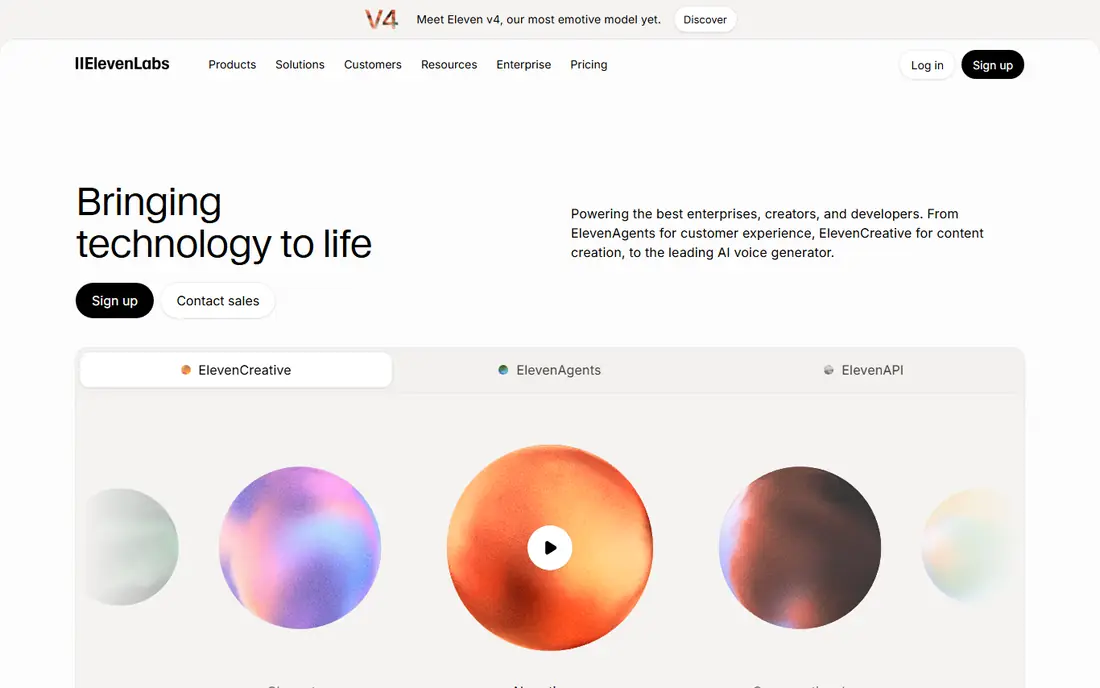
ElevenLabs is our pick for most creators who want the best balance of realism and cloning ease. Instant voice cloning works from a short sample, and the resulting voice handles varied scripts with natural pacing and tone better than most rivals. Dubbing, speech-to-speech, and API tools extend it from narration into video and app use. A free tier lets you test cloning and generation before paying. The catch is credit maths. Character and credit limits vary by plan, so estimate your monthly script volume before you choose a tier, and test the same script in two voices to check consistency.
- Strong realism and emotion control
- Instant cloning from short samples
- Dubbing and API tools
- Credit-based pricing needs careful tracking
- High-volume use can get costly
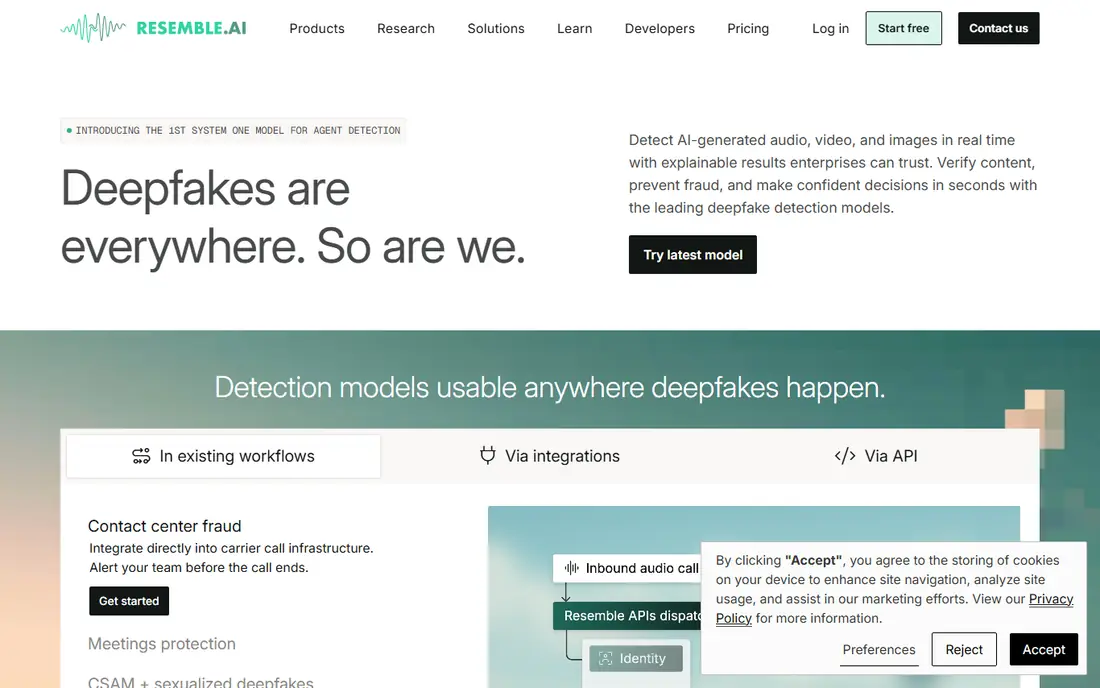
Resemble AI suits developers and studios that need cloning inside an app or production pipeline. Its API supports real-time generation, voice design tools let teams tune a voice, and consent and watermark controls help studios manage safe use. That developer focus sets it apart from narration-first tools. The trade-off is complexity and pricing. Usage-based billing rewards careful volume planning, and casual creators may find the setup heavier than ElevenLabs or Murf. For a team building voice into a product, Resemble is a strong technical pick.
- Fast cloning and voice design tools
- API for real-time use
- Watermark and consent controls
- Usage-based pricing needs volume planning
- Interface suits technical users more than casual creators
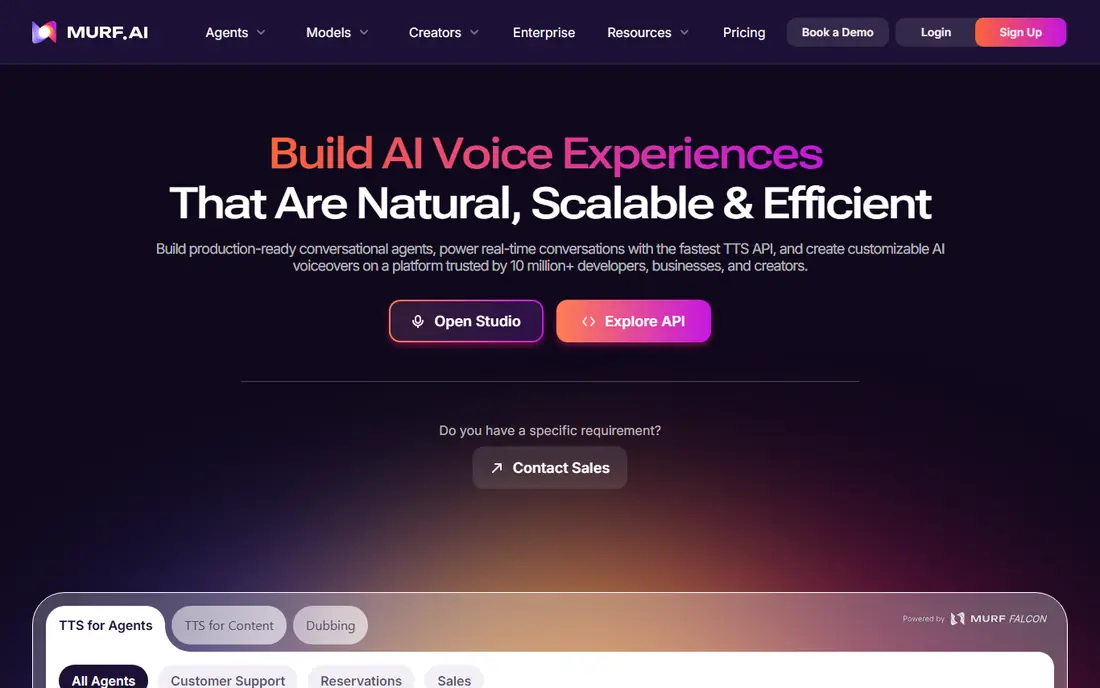
Murf AI suits narration teams that want a studio, not just a voice generator. Scripts, voices, background music, and slide timing sit in one editor, which helps e-learning, training, and product video teams finish work without switching tools. The stock voice library is large, and dubbing tools help teams reach more languages. The catch is cloning scope. Self-serve cloning is more limited than ElevenLabs, with full custom cloning tied to higher plans, so check cloning access before you buy for that job. For scripted narration with stock voices, Murf is a strong pick.
- Full studio editor with music and timing
- Large stock voice library
- Dubbing and translation tools
- Self-serve cloning is limited compared with ElevenLabs
- Paid plans needed for full studio use
Descript suits podcasters and video creators who already edit in Descript and want to fix mistakes without re-recording. Overdub creates a text-to-speech version of your own voice, so you can correct a flubbed line by editing the transcript. That workflow saves studio time on long episodes and training videos. The trade-off is cloning quality. Overdub is built for your own voice and for corrections, not for creating many distinct cloned voices at ElevenLabs realism. If you edit audio daily and want fast fixes, Descript earns its place even when it is not the top cloning tool alone.
- Overdub lets you fix audio by typing
- Full audio and video editing
- Good for podcast teams
- Cloning quality trails dedicated cloning tools
- Overdub needs a voice training step
Respeecher suits film, game, and studio teams that need voice conversion at production quality. Rather than generating speech from text alone, it can convert a performance into a target voice while keeping timing and emotion, which helps with dubbing, de-ageing, and character work. Its consent process is strict, which matters for professional use. The catch is fit and cost. Project-based pricing and studio workflows suit professional productions more than solo creators making short videos. For high-stakes voice work, Respeecher is a specialist worth contacting directly.
- High-quality voice conversion for film and games
- Studio-grade controls
- Strong consent process
- Project-based pricing suits studios more than casual creators
- Turnaround needs planning
WellSaid Labs suits companies that need the same clear voice across training, product, and internal videos. Its studio voices are tuned for corporate narration, with pronunciation controls and team workflows that help large content teams stay consistent. That consistency matters when a brand voice appears in hundreds of modules. The trade-off is language range and cloning access. English narration leads, multilingual depth is thinner than ElevenLabs, and custom brand voices sit on higher plans. For a US or UK training team, WellSaid is a strong and safe pick.
- Consistent, clear voices for training and corporate narration
- Brand voice controls
- Team tools
- English focus is stronger than multilingual depth
- Cloning is tied to higher plans
Speechify suits readers first and creators second. It reads articles, PDFs, and books aloud in natural voices, with speed controls and highlighting that help students and busy professionals. A free tier covers basic voices, and paid plans add premium voices and tools. The catch is cloning scope. Speechify does not offer the same self-serve cloning depth as ElevenLabs or Resemble, so creators who need a custom clone should pick a dedicated cloning tool. For accessibility and daily reading, Speechify remains a strong and useful app.
- Strong reading aloud and accessibility tools
- Many stock voices
- Mobile and browser apps
- Self-serve cloning is limited
- Best for consuming text, not producing cloned narration
Cartesia suits developers building voice agents, assistants, and real-time apps that need fast responses. Low-latency generation keeps conversations feeling natural, and instant cloning on paid plans lets apps use custom voices without long training waits. A free tier with credits lets developers test before committing. The trade-off is library size and skill needs. Its voice catalogue is smaller than ElevenLabs, and API-first design suits technical teams more than casual creators. For a real-time voice product, Cartesia deserves a serious test.
- Low-latency voices for agents and apps
- Instant cloning on paid plans
- API-first design
- Newer platform with a smaller voice library than leaders
- Needs developer skill to use well
HeyGen suits creators who want a cloned voice inside a finished video, not just an audio file. AI avatars, translation, and dubbing let teams turn a script into a presenter video quickly, which helps training, marketing, and internal updates. A free tier lets you test avatars and voices before paying. The catch is scope. HeyGen is a video platform first, so audio-only teams may prefer a dedicated voice studio for finer control. For video-led teams that want voice and visuals together, it is a practical all-in-one pick.
- AI avatars and video with cloned voices
- Translation and dubbing
- Fast video creation
- Voice cloning is part of a video platform, not a standalone audio studio
- Paid plans needed for full use
How we picked these
We compared official feature pages, pricing pages, app store listings, privacy and consent pages, and public user reviews for each tool. We weighted cloning realism, sample needs, language support, editing workflow, API options, consent controls, and pricing clarity. We did not run scored voice tests or claim hands-on testing of every plan, and prices change often, so we mark pricing as See website where we could not verify a current vendor price at the time of writing. Check the vendor pricing and consent pages, and test a clone with your own script before you publish.
How to choose a voice cloning tool
Match the tool to the output you need, and sort consent before you record anything.
For narration and video
ElevenLabs leads for realism, Murf AI leads for studio narration, and HeyGen leads when you need avatars and video together. Test the same 200-word script in each shortlisted tool, in your target language and tone, before you choose.
For podcasts and editing
Descript Overdub suits fixing your own recordings by editing text. Speechify suits reading and accessibility rather than cloning. Pick Descript when editing speed matters most, and a dedicated cloning tool when you need many distinct voices.
For apps and studios
Resemble AI and Cartesia suit developers building voice into products, while Respeecher and WellSaid Labs suit studio and brand work with strict consent needs. Check API limits, latency, watermark rules, and licence terms for commercial use before you build.
Consent and safety checklist
Get written permission from any voice owner, keep the consent record, and check whether the tool requires a consent statement or sample. Avoid cloning public figures, children, or private people without permission, and label AI-generated audio where platform rules require it. When in doubt, use a stock voice or your own voice.
Frequently asked questions
What is the best AI voice cloning software?
ElevenLabs leads for most creators, thanks to realism, instant cloning, and a free tier. Resemble AI suits developers, Murf AI suits narration studios, and Descript suits podcasters who want to fix audio by editing text. Test the same script across shortlisted tools before you choose.
What is the best AI voice cloning app for video?
HeyGen suits video best, with avatars, translation, and cloned voices in one platform. ElevenLabs also suits video through dubbing and API tools, while Murf AI suits narrated video with a studio editor. Pick HeyGen when you need a presenter video, and ElevenLabs when you need audio quality first.
Can AI voice cloning tools clone any voice?
No, not safely or legally. Tools require a clear voice sample, and most require consent from the voice owner. Quality also depends on sample length, recording clarity, and language. Only clone your own voice or a voice you have written permission to use.
How much does AI voice cloning cost?
Costs range from free tiers with limited credits to subscription and usage-based plans. Credit, character, and minute limits vary by tool, so estimate your monthly script volume and check overage rules. Always check the vendor pricing page, since plans change often.
Is voice cloning legal?
Voice cloning law varies by place and by use, and it often turns on consent, publicity rights, and fraud rules. Cloning your own voice with consent is usually fine, while cloning someone else without permission can break the law and platform rules. Get written permission and check local rules before you publish cloned audio.
What are the best AI voice cloning platforms for developers?
Resemble AI and Cartesia suit developers best, with APIs for real-time and app use. ElevenLabs also offers a strong API for narration and dubbing. Check latency, voice limits, watermark rules, and commercial licence terms before you build.
Sources we checked (9)

Online Jobs is an independent blog about careers, online work, learning new skills and the tools that help people earn. More about us.
Keep reading
All posts
Zoom Alternatives
Zoom alternatives compared for 2026: Google Meet, Microsoft Teams, Webex, Jitsi and more for free calls, large meetings and webinars for teams and classrooms.

Workday Alternatives
We compared the best workday alternatives for HR, payroll, and global hiring, from BambooHR and Gusto to Rippling, Deel, and HiBob for growing teams in 2026.
WordPress Alternatives
WordPress alternatives guide: we compare 8 platforms for builders, designers, stores, and publishers to leave WordPress without losing your full site content.