Best AI Study Tools in 2026: 8 Tools Compared

How we put this together: we compare official feature and pricing pages, app store listings, privacy policies and public user reviews. Prices change, so check the provider's site before you pay.
Key takeaways
- NotebookLM suits studying from your own course materials, since answers stay tied to sources you upload.
- Quizlet and Knowt suit flashcard revision, with Quizlet offering the largest shared decks and Knowt offering a strong free plan.
- RemNote suits long-term memorization, with notes and spaced repetition built into one workspace.
- ChatGPT Study Mode suits guided explanations and step-by-step problem help, but it does not schedule your reviews.
- AI outputs can contain errors, so check generated flashcards and summaries against your textbook, slides, or lecture notes.
Quick comparison
| Name | Who it suits | Starting price | Free option | |
|---|---|---|---|---|
 NotebookLM | Studying your own sources | Free | Yes | Visit |
 ChatGPT | Guided study help | $20 per month | Yes | Visit |
 Quizlet | Shared flashcards | See website | Yes | Visit |
 Knowt | Free AI flashcards | See website | Yes | Visit |
 StudyFetch | Lecture-based study sets | See website | Yes | Visit |
 RemNote | Notes and spaced repetition | See website | Yes | Visit |
 Brainscape | Confidence-based revision | See website | Yes | Visit |
 Khanmigo | AI tutoring | See website | No | Visit |
The best ai study tools
We compared official feature pages, pricing pages, and app store listings for AI study tools that turn notes, PDFs, slides, and lectures into flashcards, quizzes, summaries, and tutoring. All of these tools work best as study aids, not as replacements for reading, practice, and understanding, and students should follow their school or university rules on AI use and disclosure.
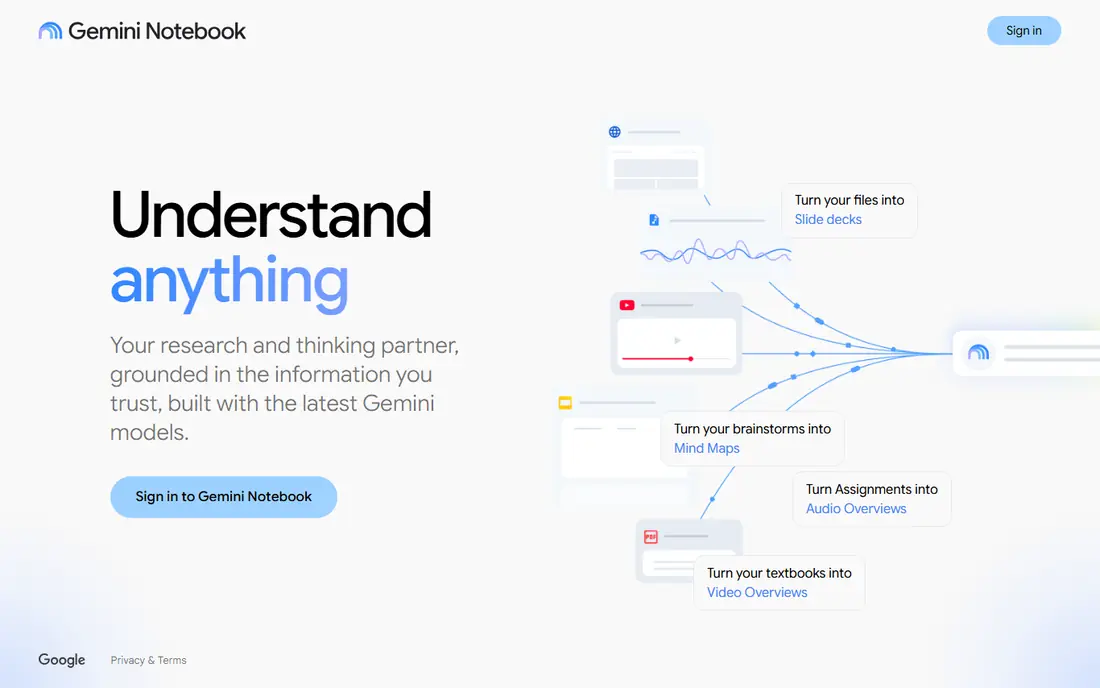
NotebookLM, now part of Google Gemini, is built for studying a defined set of materials. Upload PDFs, slides, documents, audio, or web pages, then ask questions, generate summaries, create flashcards and quizzes, and listen to audio overviews based on those sources. Because answers link back to passages, it is easier to check a claim against the original lecture or textbook.
The limit is scope. NotebookLM will not fill gaps from general knowledge in the same way a general chatbot will, and it does not schedule reviews over weeks like a spaced-repetition app. It suits students revising a course pack, researchers working through papers, and anyone who wants trustworthy answers tied to specific readings rather than broad AI summaries.
- Answers grounded in sources you upload
- Audio overviews and study guides from your materials
- Flashcards and quizzes from documents
- Source-bound by design, so it will not add outside knowledge
- No full spaced-repetition scheduler
- Usage limits vary by plan
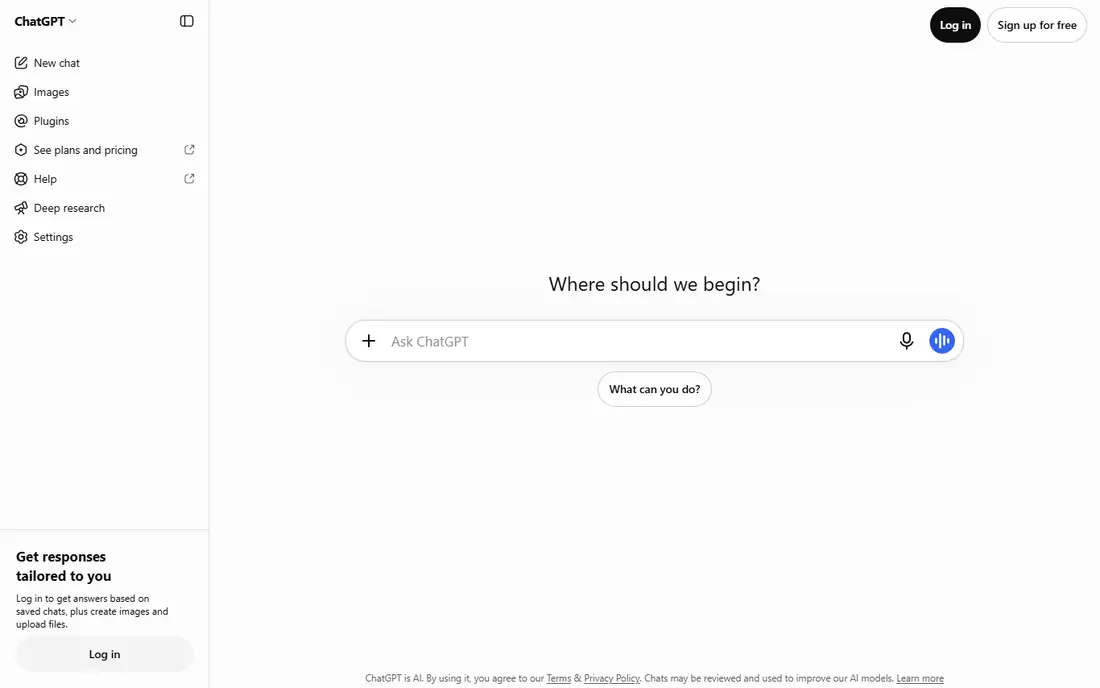
ChatGPT Study Mode changes the usual chatbot pattern by guiding students through problems step by step instead of giving an immediate answer. That makes it useful for working through math, science, and essay structure, where understanding the process matters more than copying a result. File uploads also let it build flashcards and quizzes from your notes.
ChatGPT does not schedule reviews, track mastery over time, or replace a flashcard system, so many students pair it with Quizlet, Knowt, or RemNote. It suits tutoring-style help, explaining difficult concepts in plain language, and drafting study plans, provided you check answers against course materials and follow your institution rules on AI use.
- Study Mode guides step-by-step explanations
- Flashcards and quizzes from uploaded files
- Broad help across subjects
- No built-in spaced-repetition scheduling
- Answers can contain errors
- Free tier has usage limits
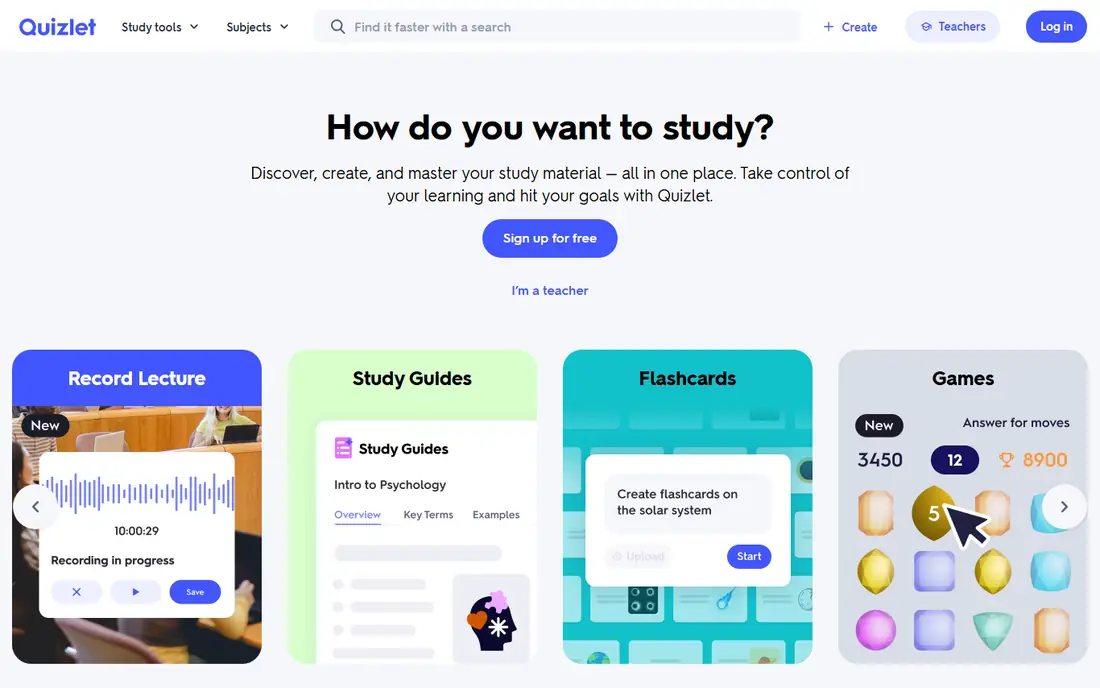
Quizlet remains the largest flashcard community, which matters when studying standard courses. Shared sets for common textbooks, languages, and exams save hours of card creation, and Learn mode, practice tests, and games turn revision into active recall rather than passive rereading. AI tools can also generate sets from pasted notes or PDFs.
Quality varies across shared sets, since anyone can publish a deck, so check cards against your course before trusting them for an exam. Quizlet suits students in standard courses, language learners, and anyone who benefits from a large shared library, with paid plans adding ad-free study and more AI features.
- Huge library of shared flashcard sets
- Learn mode and practice tests
- AI features for generating sets from notes
- Free tier limits AI tests and some study features
- Shared sets vary in quality
- Ads in the free tier
Knowt is the strongest free all-rounder in this list. Core study features, including AI flashcard generation, unlimited Learn Mode rounds, practice tests, and spaced repetition, are free, and Quizlet sets can be imported in one click. Studying from PDFs, slides, and lecture videos turns course materials into revision sets without manual card writing.
Paid features, such as PDF and video summarizers, lecture recording, and a voice tutor, sit in the Ultra tier, and free AI summaries have monthly limits. Knowt suits budget-conscious students, Quizlet users who want a free alternative, and learners who want flashcards, tests, and scheduling in one free app before paying for extras.
- Free AI flashcards, practice tests, and spaced repetition
- One-click import of Quizlet sets
- Study from PDFs and videos
- Advanced summarizers and tutor features need a paid tier
- Free AI summaries are limited per month
- Smaller shared library than Quizlet
StudyFetch is built for lecture-heavy courses, where hours of recorded teaching need turning into revision material. Upload slides, PDFs, or lecture recordings, and the platform generates notes, flashcards, and quizzes, with a tutor that answers questions from your course content. That workflow suits students whose main source is lectures rather than a textbook.
The free tier is limited, so heavy users during exam season may hit upload or chat caps at the worst time. StudyFetch suits students with many lectures, STEM and professional courses with dense slides, and learners who want a tutor tied to their own materials rather than a general chatbot.
- Turns lectures and course materials into flashcards, notes, and quizzes
- Spark.E tutor grounded in your materials
- Live lecture capture on paid tiers
- Free tier limits uploads and tutor chats
- Pricing varies by plan and needs checking
- Best for lecture-heavy courses
RemNote combines note-taking with spaced repetition, so flashcards grow directly from notes instead of living in a separate app. That design helps long-term retention, especially for medical, law, and other memory-heavy subjects, where reviewing at the right interval matters more than cramming. PDF annotation, lecture audio, and exam scheduling support that workflow.
The learning curve is real, and the most useful AI features need a paid tier, so casual users may prefer Knowt or Quizlet for quick revision. RemNote suits serious long-term learners, medical and law students, and anyone willing to invest time in a system that pays off over semesters rather than a single exam week.
- Notes and flashcards in one workspace
- Strong spaced-repetition scheduling
- PDF and lecture support
- Learning curve is steep at first
- Useful AI features sit in higher tiers
- Interface is denser than Quizlet or Knowt
Brainscape uses confidence-based repetition, asking you to rate how well you knew each card, then scheduling weaker cards sooner. That simple loop works well for vocabulary, facts, and exam definitions, and its certified decks cover many standard subjects. AI deck generation from notes or PDFs speeds up creation for custom courses.
The free tier limits AI-generated cards, and Brainscape is a revision tool rather than a full notes workspace, so it pairs best with separate lecture notes or textbooks. It suits language learners, exam candidates, and students who like a clear, focused revision loop without the complexity of a full knowledge workspace.
- Confidence-based repetition that adapts to your self-ratings
- AI-generated decks from notes
- Large library of certified decks
- Free tier limits AI cards
- Interface is simpler than full note workspaces
- Fewer input types than some rivals
Khanmigo is Khan Academy AI tutor, designed to guide students through problems, writing, and concepts with Socratic questions rather than giving answers outright. That tutoring style suits school and early college learning, where building understanding matters more than completing homework quickly. Teachers can also use it for classroom support and lesson planning.
Coverage follows Khan Academy subjects, so university courses outside that range, or custom lecture materials, are better served by NotebookLM or StudyFetch. Khanmigo suits school students, parents supporting homework, and teachers who want a tutor aligned to Khan Academy lessons, with pricing to check for learner plans versus free teacher access.
- Tutoring grounded in Khan Academy lessons
- Step-by-step guidance rather than direct answers
- Teacher tools and classroom support
- Paid for most learners, with free access mainly for teachers
- Coverage follows Khan Academy subjects
- Less useful for custom course materials
How we picked these
We compared official feature pages, pricing pages, and app store listings, favoring tools still actively maintained with clear AI study features, free tiers, or school pricing. We included source-grounded tools, flashcard tools, spaced-repetition workspaces, and tutors to cover different study styles, rather than listing only general chatbots. We noted where AI features sit behind paid tiers, since free plan limits matter most during exam weeks, and we excluded tools that had stopped operating or offered only generic chat without study features.
What to check before you choose an AI study tool
Match the tool to how you study
Flashcard learners should start with Quizlet, Knowt, or Brainscape, while note-based learners suit RemNote, and source-based revisers suit NotebookLM. A tutor-style tool such as ChatGPT Study Mode or Khanmigo helps with understanding, but it does not schedule revision. Using one tool for understanding and one for recall often works better than forcing one app to do both jobs.
Check free limits before exam week
Free tiers may limit AI generations, uploads, tutor chats, or practice tests, and those limits hurt most when revision demand peaks. Test the free tier with a real chapter early in term, note the caps, and upgrade only if you hit them regularly. A tool that stops generating cards the week before an exam is a poor choice, however good it looks in week one.
Verify AI output against your course
AI flashcards, summaries, and quizzes can contain wrong facts, simplified explanations, or invented details, especially for niche topics. Check generated material against your textbook, slides, or lecture notes before memorizing it, and correct errors in the deck rather than trusting the first version. That checking step is itself useful revision.
Follow your school rules on AI use
Schools and universities differ on whether AI-generated study materials, summaries, or tutoring are allowed, and whether disclosure is required. Check your institution policy, your course rules, and any exam rules before using AI for assessed work. Use AI to understand and revise, not to submit work you did not produce, and keep original sources for reference.
Frequently asked questions
What is the best ai study tool?
NotebookLM suits studying from your own materials, Quizlet suits shared flashcards, Knowt suits free AI revision, and RemNote suits long-term spaced repetition. The best tool depends on whether you need understanding, recall, or both, and many students pair a tutor tool with a flashcard tool for full coverage.
What is the best ai study app for flashcards?
Quizlet offers the largest shared flashcard library, while Knowt offers a strong free plan with AI generation, practice tests, and spaced repetition. Brainscape suits confidence-based revision for facts and vocabulary. Check shared decks against your course, since quality varies, and test the free tier before paying.
Is there a free ai study tool?
Yes. NotebookLM, Knowt, Quizlet, RemNote, and Brainscape all offer free tiers, with varying limits on AI generations and uploads. Knowt and NotebookLM offer the most useful free starting points for flashcards and source-based study. Check monthly caps before exam week, since free limits matter most under time pressure.
Can AI tools help me study for exams?
AI tools can turn notes and lectures into flashcards, quizzes, and summaries, explain difficult concepts step by step, and schedule revision. They work best alongside active recall and practice questions, not as a replacement for reading and problem-solving. Always verify generated material against course sources before relying on it in an exam.
Should I use ChatGPT for studying?
ChatGPT Study Mode can guide explanations and generate quizzes from your files, which helps understanding across many subjects. It does not schedule spaced repetition, and its answers can contain errors, so pair it with a flashcard app and check key facts against your textbook. Follow your school rules on AI use and disclosure for assessed work.
Sources we checked (8)

Online Jobs is an independent blog about careers, online work, learning new skills and the tools that help people earn. More about us.
Keep reading
All posts
Best Tools for Virtual Tutoring
Compare the best tools for virtual tutoring, from one-to-one tutor marketplaces to free self-paced learning, with pricing, subjects and honest limits.
Best Study Apps for Young Children
Compare the best study apps for young children in 2026, from Khan Academy Kids and ABCmouse to Reading Eggs, Starfall, Duolingo ABC and PBS Kids, with prices.
Best Study Apps for Kids
Looking for the best study apps for kids? We compare Khan Academy Kids, ABCmouse, Prodigy, IXL and more on age, safety, price and subjects for home learning.