Best AI Spanish Learning App in 2026: 8 Apps Compared


AI conversation and roleplay in Spanish · Starting price: See website
How we put this together: we compare official feature and pricing pages, app store listings, privacy policies and public user reviews. Prices change, so check the provider's site before you pay.
Key takeaways
- Talkpal suits conversation practice because its AI tutor corrects grammar and suggests better wording in real time.
- Duolingo Max suits daily habit building, with AI features layered on a structured, gamified course.
- Babbel and Busuu suit learners who want a clearer curriculum alongside AI speaking practice.
- For intermediate learners, conversation-first apps help more than vocabulary drills alone, because speaking needs real output.
Quick comparison
| Name | Who it suits | Starting price | Free option | |
|---|---|---|---|---|
| Talkpal | AI conversation and roleplay in Spanish | See website | Yes | Visit |
 Duolingo | Daily habit building with AI features | See website | Yes | Visit |
 Babbel | Structured lessons with speaking practice | See website | No | Visit |
 Busuu | Structured courses with community feedback | See website | Yes | Visit |
 Rosetta Stone | Immersive learning without translation | See website | No | Visit |
 Memrise | Vocabulary with native speaker video | See website | Yes | Visit |
 Praktika | AI avatar conversation practice | See website | Yes | Visit |
 Langua | AI conversation for intermediate learners | See website | Yes | Visit |
The best AI Spanish learning apps
AI Spanish apps promise conversation practice without booking a tutor, but they differ in how much they correct you, how structured the lessons are, and how well they suit your level. The apps below cover conversation-first AI tutors, structured courses with AI features, and vocabulary tools, so you can match the app to whether you need speaking confidence, grammar, or both.
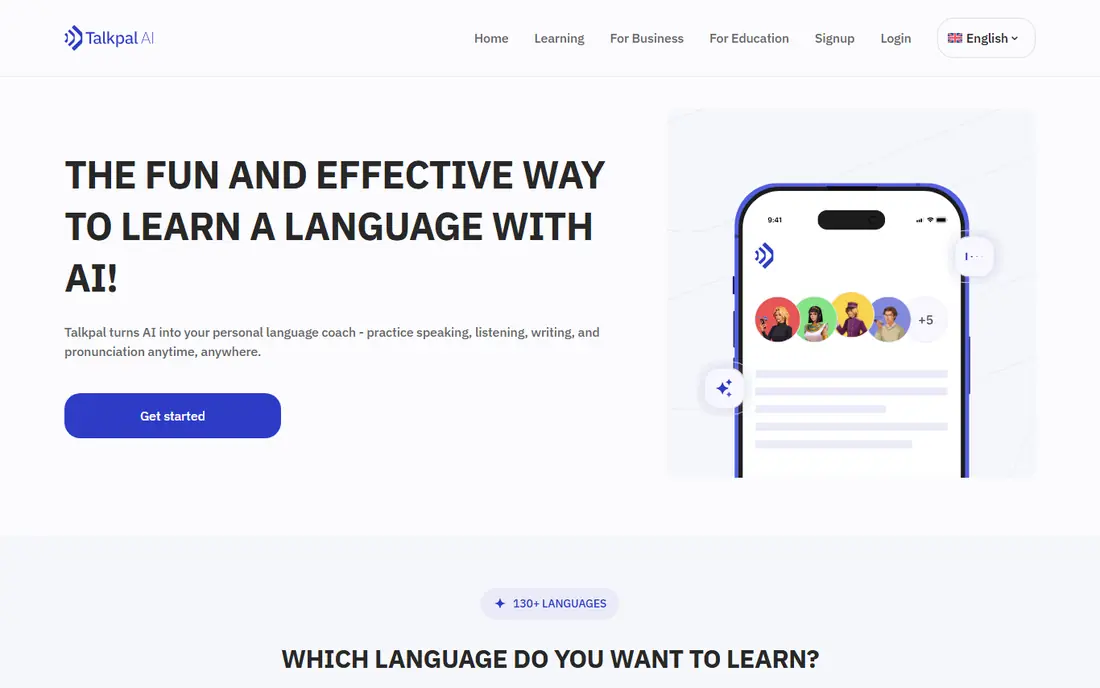
For a first look, Talkpal centres on talking to an AI tutor about topics you choose, with corrections that explain grammar and suggest better wording. Roleplay modes cover everyday situations such as ordering food or booking a taxi, while debate mode pushes more advanced learners to argue a point in Spanish.
The free tier is limited, so unlimited conversation needs a paid plan. Speaking practice also needs a microphone and a quiet moment, which is harder on a busy commute. Use Talkpal when you want regular speaking output, and pair it with a structured course if you still need grammar in order.
- AI tutor with real-time corrections
- Roleplay and debate modes
- Personalised lessons
- Full AI features need a paid plan
- Quality depends on your speaking level
- Needs a mic and quiet space
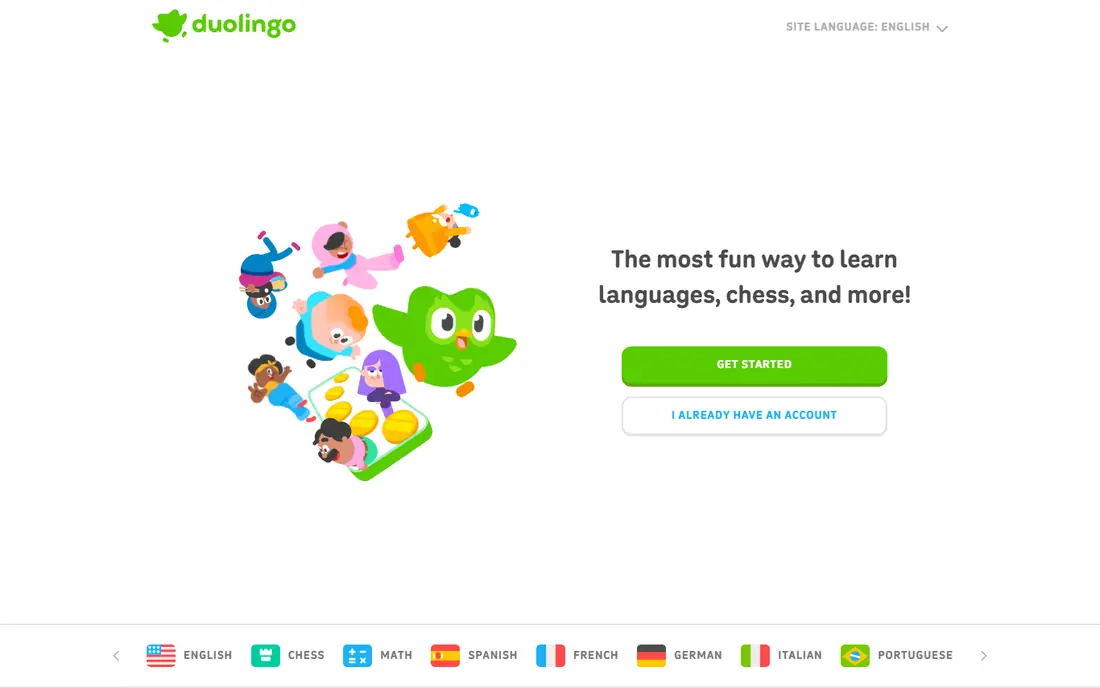
If you want a simple starting point, Duolingo is the easiest habit to keep, with short, gamified lessons that cover vocabulary, grammar, reading, and listening. Its higher tiers add AI features, including explanations and roleplay-style practice, on top of the structured course that made it popular.
The catch is speaking depth, because Duolingo lessons are still mostly tap-and-type, even with AI features. It suits beginners and daily habit building well, but intermediate learners who need conversation should add a conversation-first app alongside it.
- Gamified short lessons
- AI features on higher tiers
- Large Spanish course
- Speaking practice is thinner than conversation apps
- AI features need a paid plan
- Lessons can feel repetitive
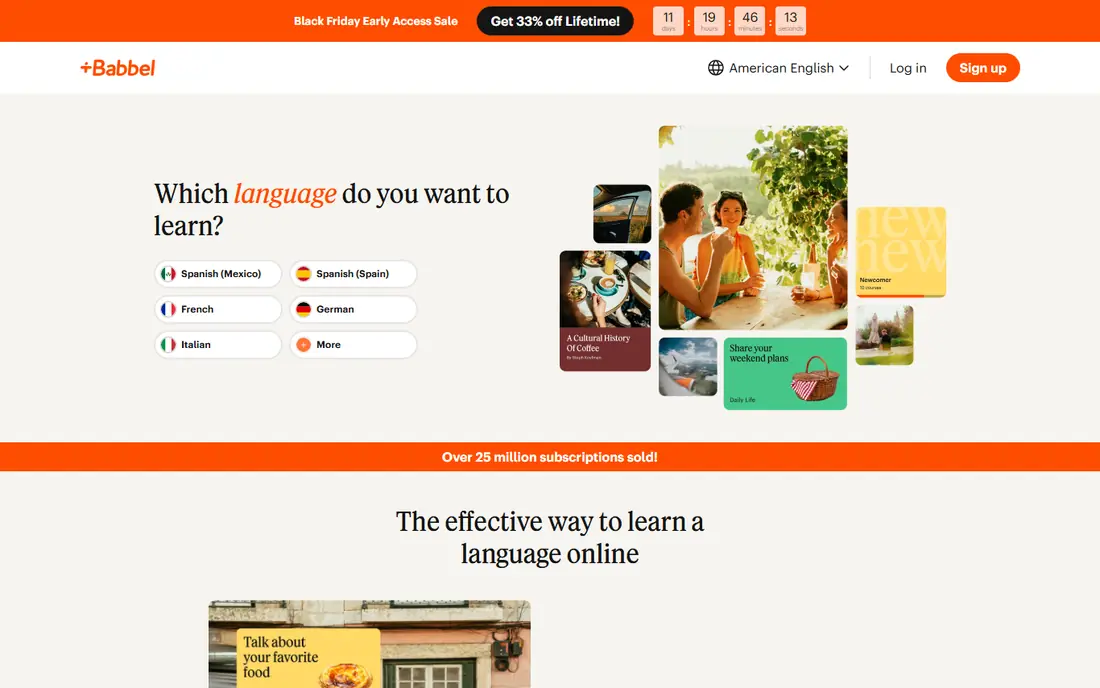
A good way to judge this one is to ask who it helps most. Babbel suits learners who want a curriculum in order, with lessons that build grammar and vocabulary around real-life topics such as travel, work, and daily life. Speech recognition gives pronunciation feedback, and the level structure helps you see progress clearly.
Babbel is less AI-led than Talkpal, so conversation practice is more structured and less open-ended. That structure helps beginners and intermediates who want order, but it may feel slow if you already speak at an intermediate level and mainly need free conversation.
- Clear curriculum by level
- Speech recognition
- Real-life dialogue topics
- Subscription only for full access
- AI features are less central than in Talkpal
- Less gamified
Start here if Busuu combines structured courses with community feedback, where other learners and native speakers can correct your written and spoken exercises. That human layer complements AI review, and its course structure suits learners who want a clear path from beginner to intermediate.
Community feedback quality varies, and response times depend on who is online. AI features are also less central than in Talkpal, so Busuu suits learners who value curriculum and peer correction over open-ended AI chat.
- Structured Spanish courses
- Community corrections
- AI-assisted review in places
- Many features need a paid plan
- Community feedback varies
- Conversation is less AI-led
What stands out first is Rosetta Stone uses an immersive method that teaches Spanish through images, audio, and context rather than translation. That approach suits visual learners and builds listening and pronunciation through repetition, with speech recognition to check your accent.
The lack of translation can frustrate learners who want a grammar rule explained in plain language. It also offers less AI conversation than Talkpal or Praktika, so use it for foundation skills and add conversation practice when you are ready to speak more freely.
- Immersive method with images and audio
- Speech recognition
- Structured units
- No translation can frustrate grammar questions
- Subscription cost
- Less AI conversation
The key question with this option is fit. Memrise focuses on vocabulary with videos of native speakers, which helps you hear natural pronunciation and everyday phrases. Spaced repetition schedules reviews so words return just before you forget them, and short sessions fit a busy routine.
Vocabulary alone does not build conversation, and grammar coverage is thinner than in Babbel or Busuu. Use Memrise as a vocabulary companion to a course or conversation app, rather than as your only Spanish tool.
- Native speaker videos
- Spaced repetition for vocabulary
- Short daily sessions
- Less grammar and conversation depth
- Many features need a paid plan
- Not a full course alone
Consider this one when Praktika offers AI avatars that act as conversation partners, with personalised plans and feedback on your speaking. That avatar setup suits learners who feel shy speaking to a real person and want a low-pressure way to practise out loud every day.
The avatar style is a matter of taste, and some learners prefer a plain chat tutor to an animated partner. Full practice also needs a paid plan, so test the free tier first and see whether speaking to an avatar keeps you talking longer than a text-based lesson.
- AI avatars for speaking practice
- Personalised plans
- Correction feedback
- Full features need a paid plan
- Avatar style may not suit everyone
- Needs speaking time
For many readers, Langua suits intermediate learners who want AI conversation that adapts to their level, with corrections, podcasts, and flashcards in the same app. Its conversation topics go beyond beginner phrases, which helps learners who can already hold a basic chat and want to go further.
Langua is less well known than Duolingo or Babbel, so community resources are thinner. It also needs regular speaking time to pay off, because conversation gains fade if you only practise once a week. Try it if you are past beginner level and want harder, more natural chats.
- AI conversation with corrections
- Podcasts and flashcards
- Level-adaptive practice
- Full features need a paid plan
- Smaller brand than Duolingo
- Needs regular speaking time
How we picked these
We compared official feature pages, pricing pages, and app store listings for each app, and we checked AI conversation modes, correction feedback, curriculum structure, and level coverage. We gave weight to apps that explain corrections, offer roleplay or tutor modes, and cover Spanish from beginner to intermediate levels and beyond. We did not count AI claims at face value, and we noted where AI features sit behind a paid plan. No app replaces real conversation with native speakers, but AI practice can build confidence between those conversations.
How to pick an AI Spanish app
Decide whether you need speaking or structure more
Conversation-first apps suit learners who can already form sentences but freeze when speaking. Structured courses suit beginners who need grammar and vocabulary in order. Many learners benefit from one of each, using a course for structure and an AI tutor for speaking practice.
Test the correction style, not just the chat
A good AI tutor explains why a sentence was wrong and offers a better version, rather than just rewriting it. Try a roleplay about ordering food or booking a taxi, make a deliberate mistake, and see how the app responds. Clear explanations help the correction stick.
Match the app to your level and time
Intermediate learners need harder topics and less hand-holding than beginners, so check that the app adapts to your level. Also be honest about time, because a 15-minute daily habit beats a long session once a week. Pick the app you will actually open each day.
Frequently asked questions
What is the best AI app to learn Spanish?
Talkpal is a strong pick for AI conversation, because it offers tutor, roleplay, and debate modes with real-time corrections. Duolingo Max suits learners who want AI features inside a structured course. Pick based on whether speaking or structure matters more to you.
What is the best app for learning conversational Spanish?
Talkpal, Praktika, and Langua all focus on conversation, with AI partners that respond to what you say. Talkpal adds roleplay scenarios for everyday situations, while Praktika uses AI avatars for speaking practice. Try a free tier and judge which conversation style keeps you talking.
What is the best Spanish learning app for intermediate learners?
Intermediate learners benefit most from conversation-first apps such as Talkpal or Langua, because they need output practice at a higher level. Babbel and Busuu also suit intermediates with structured lessons that go beyond beginner vocabulary. Combine a course with AI conversation for the best balance.
Can AI apps replace a Spanish tutor?
AI apps help with daily practice, corrections, and confidence, but they do not fully replace a human tutor. A tutor can judge nuance, culture, and complex errors in ways AI still misses. Use AI apps for frequent practice and a tutor for deeper feedback when you can.
Are AI Spanish apps free?
Most offer a free tier with limits, while AI conversation and unlimited practice usually need a paid plan. Duolingo has a free tier with ads, and Talkpal offers limited free use. Check what the free tier actually includes before you commit to a subscription.
Sources we checked (8)

Online Jobs is an independent blog about careers, online work, learning new skills and the tools that help people earn. More about us.
Keep reading
All posts
Best Vocabulary Apps
We compare 8 vocabulary apps in 2026, free and paid, for English learners, students, and test prep, with honest notes on what each one does best for daily use.

Best Udemy Alternatives
Explore the best Udemy alternatives for 2026, including Coursera, Skillshare, and LinkedIn Learning, with pricing, certificates, and who each platform suits.
Best Tools for Virtual Tutoring
Compare the best tools for virtual tutoring, from one-to-one tutor marketplaces to free self-paced learning, with pricing, subjects and honest limits.