Best Bandwidth Alternatives in 2026: 8 Tools Compared

How we put this together: we compare official feature and pricing pages, app store listings, privacy policies and public user reviews. Prices change, so check the provider's site before you pay.
Key takeaways
- Twilio is the broadest default, with the largest developer ecosystem and the widest range of channels.
- Telnyx and Plivo tend to appeal to teams that want lower voice and SMS rates with direct carrier connections.
- Vonage and Sinch suit global messaging, including WhatsApp and other channels beyond SMS.
- Infobip and Bird fit enterprises that need omnichannel messaging at scale.
- The right Bandwidth alternative depends on your channels, countries, volume, and how much telecom expertise your team has.
Quick comparison
| Name | Who it suits | Starting price | Free option | |
|---|---|---|---|---|
 Twilio | Broadest developer ecosystem | See website | Free trial | Visit |
 Telnyx | Low-cost voice and messaging | See website | Free trial | Visit |
 Plivo | Budget migration from Twilio-style APIs | See website | Free trial | Visit |
 Vonage API | Voice, messaging, and video combined | See website | Free trial | Visit |
 Sinch | Global messaging at scale | See website | Free trial | Visit |
 Infobip | Enterprise omnichannel messaging | See website | Free trial | Visit |
 Bird | Omnichannel customer messaging | See website | Free trial | Visit |
 SignalWire | Developer-friendly voice and video APIs | See website | Free trial | Visit |
The best Bandwidth alternatives
Bandwidth is a communications platform as a service provider, known for voice and messaging APIs built on its own carrier network. Teams look for alternatives when they want a broader developer ecosystem, lower rates on a specific channel, better global coverage, or simpler tools for messaging beyond voice and SMS. The providers below all offer voice or messaging APIs, but they differ in pricing model, channel breadth, and support style.
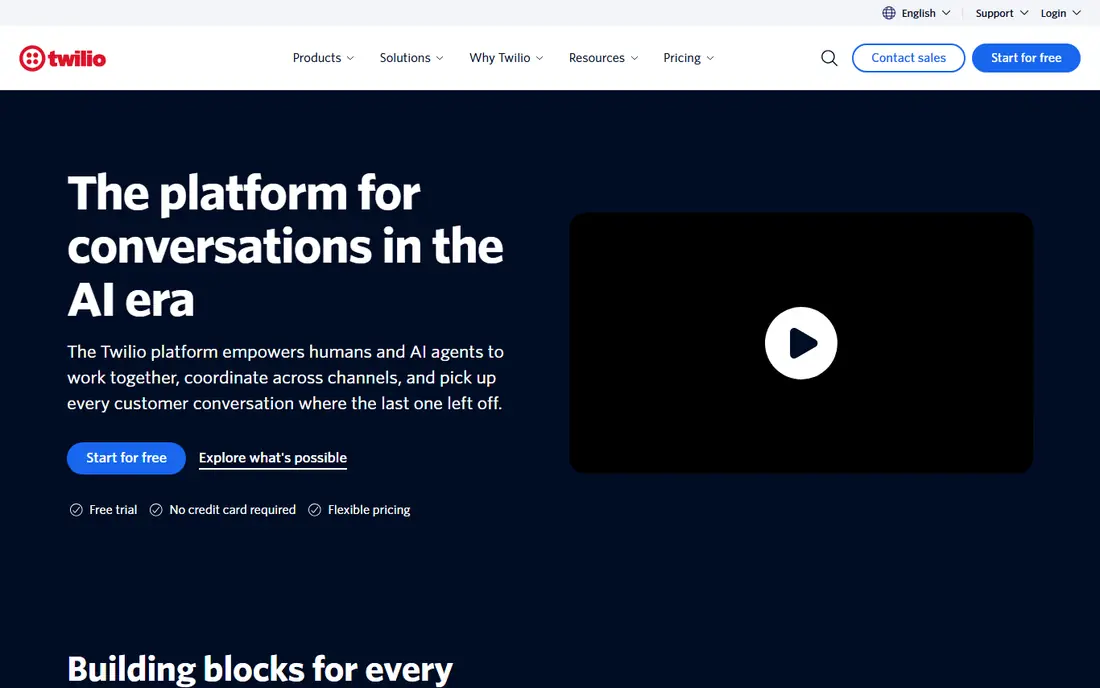
Twilio is the default comparison for almost every CPaaS decision, because its platform covers SMS, voice, WhatsApp, email through SendGrid, video, and authentication tools in one account. Developers benefit from detailed documentation, helper libraries in many languages, and a large community, which shortens the time from first API call to a working prototype. For a team that wants one vendor for many channels, Twilio is hard to beat.
The honest catch is cost on high-volume voice and SMS. Specialist carriers like Telnyx and Plivo often publish lower per-minute and per-message rates, especially for United States voice. Twilio also has many products, so pricing needs careful reading. Choose Twilio when ecosystem breadth, documentation, and channel range matter more than squeezing the lowest rate on a single channel.
- Very broad API coverage
- Large documentation and community
- Pay-as-you-go pricing
- Voice and SMS rates can be higher than specialist rivals
- Pricing can feel complex at scale

Telnyx operates its own private global network, which it uses to offer voice, SMS, SIP trunking, fax, and wireless services with direct carrier connections. Teams that move from Bandwidth often cite Telnyx for voice cost and control, including number management, call routing, and voice AI features for newer agent-style applications. Support is available around the clock, which helps when a voice issue affects customers.
The trade-off is ecosystem size. Telnyx has fewer pre-built integrations and community examples than Twilio, so a team may need more in-house telecom knowledge to get the most from it. If your priority is voice quality and cost, and your developers are comfortable with SIP and telephony concepts, Telnyx is a strong Bandwidth alternative. If you need a large marketplace of ready-made tools, Twilio may fit better.
- Own private network
- Competitive voice rates
- No minimum commitments on pay-as-you-go plans
- Smaller ecosystem than Twilio
- Advanced features need telecom knowledge
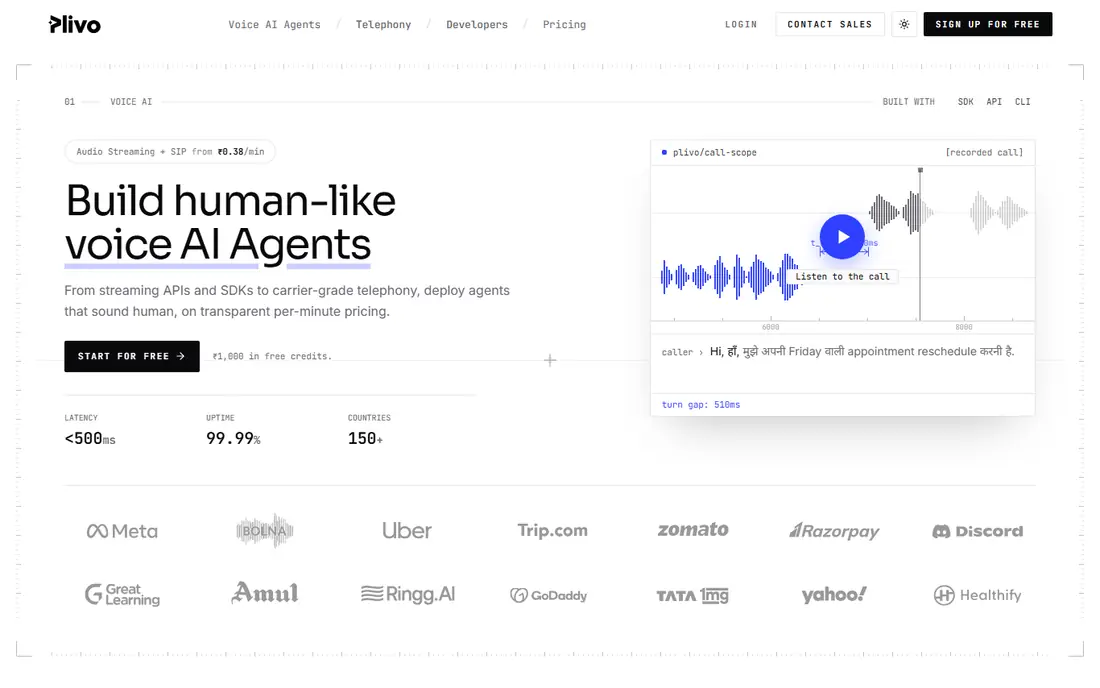
Plivo positions itself as a cost-effective CPaaS platform for SMS, voice, and WhatsApp, with an API that many Twilio users find familiar. That familiarity can shorten migration, because concepts like numbers, messages, and calls map closely, even though code still needs testing. Plivo also offers SIP trunking through its Zentrunk product, which suits teams that need to connect existing phone systems to the cloud.
The limitation is scale of ecosystem. Plivo does not match Twilio on the sheer number of adjacent products and integrations, and its support experience depends on the plan you choose. For a startup or mid-market team that wants lower messaging costs without a major rewrite, Plivo is a practical choice. Run a small pilot on your highest-volume channel first, and compare the real bill, not just the list rate.
- Competitive SMS and voice rates
- API design familiar to Twilio users
- Global coverage
- Smaller brand ecosystem
- Support tiers vary by plan
Vonage, part of Ericsson, offers communications APIs for SMS, voice, video, and verification, alongside its wider unified communications products. That combination suits teams that need both customer messaging and in-app video or voice, without managing two vendors. Its AI Studio also lets teams build conversational agents with less code, which is useful for support and appointment workflows.
The catch is complexity. Vonage pricing varies by channel and region, and the platform has grown through acquisitions, so documentation and product names can feel less unified than Twilio. Vonage fits mid-market and enterprise teams that want a single vendor for voice, messaging, and video, and that value enterprise support. Smaller teams should compare its trial experience with Telnyx or Plivo before committing.
- Voice, SMS, WhatsApp, and video in one platform
- AI Studio for low-code agents
- Enterprise support options
- Pricing can feel complex across channels
- Smaller developer community than Twilio
Sinch is a global CPaaS provider with a strong focus on messaging, including SMS, WhatsApp, RCS, and verification services for enterprises. It operates at large scale, with customers that send messages in many countries, which makes it a good fit when delivery, compliance, and local routing matter across regions. Sinch also offers voice and video, so it can cover more than messaging alone.
The main downside for small teams is that pricing is often handled through sales conversations rather than a simple self-serve rate card for every channel. That is normal for enterprise CPaaS, but it slows down a quick comparison. Sinch fits companies with international messaging needs, high volumes, or strict delivery requirements. A small United States only project will likely find a simpler, cheaper fit in Telnyx or Plivo.
- Strong global SMS and WhatsApp coverage
- Verification and voice options
- Enterprise scale
- Pricing is often quoted
- Less suited to a tiny side project
Infobip is one of the largest omnichannel communications platforms, covering SMS, WhatsApp, RCS, email, voice, and chat apps through a single platform. Its Moments and Answers products add customer journey building and chatbot tools, which appeal to enterprises that want marketing, support, and transactional messaging in one place. Global coverage is a clear strength, with local connections in many markets.
The trade-off is weight. Infobip is built for scale, so a small team that only needs United States SMS may find the platform and sales process heavier than needed. Pricing also varies by channel and region, with minimum commitments in some cases. Choose Infobip when you need global omnichannel messaging, enterprise controls, and a vendor that can grow across regions with you.
- Very broad global coverage
- Omnichannel platform with chat apps
- Strong enterprise tooling
- Enterprise pricing and setup
- More platform than a small team needs
Bird, formerly MessageBird, focuses on omnichannel customer communications, with an inbox, flow builder, and AI tools that help teams manage conversations across SMS, WhatsApp, email, and social channels. That focus suits support and marketing teams that think in conversations, not just API calls. Developers can still use APIs, but the product also works for non-technical teams that want to build flows without code.
The limitation is voice depth. Bird is stronger on messaging and customer conversations than on carrier-grade voice APIs, so a team replacing Bandwidth mainly for voice may prefer Telnyx, Twilio, or Vonage. Bird fits companies in Europe and globally that need a modern omnichannel layer, especially where WhatsApp is a primary channel. Compare its pricing for your exact channels, because omnichannel platforms rarely publish one simple rate.
- Omnichannel inbox and flow builder
- WhatsApp and social messaging strength
- AI features
- Pricing varies by use case
- Voice is less central than messaging
SignalWire offers cloud communications APIs for voice, video, and messaging, with a developer experience that many teams find clean and well documented. It provides compatibility options that can ease migration from other CPaaS platforms, along with tools for building voice agents and real-time applications. For a developer-led team that wants modern APIs without enterprise sales friction, SignalWire is worth a trial.
The honest catch is ecosystem size. SignalWire does not yet match Twilio on integrations, community size, or adjacent products like email and authentication. That matters less if your use case is focused on voice and video, and more if you want a single vendor for everything. SignalWire fits teams that value API clarity, competitive voice pricing, and a platform that can grow from prototype to production.
- Clear developer APIs
- Voice, video, and messaging
- Compatibility layers for other platforms
- Smaller ecosystem than Twilio
- Enterprise features vary by plan
How we picked these
We compared official provider pages, pricing pages, and documentation, along with independent CPaaS comparisons published in 2026. We looked for providers that are actively maintained, offer voice or messaging APIs in the United States or globally, and publish enough information to run a trial. We mixed broad platforms like Twilio and Vonage with cost-focused carriers like Telnyx and Plivo, and with omnichannel specialists like Sinch, Infobip, and Bird.
We did not claim hands-on testing of call quality or delivery rates, and we did not invent per-minute or per-message prices, because CPaaS rates vary by country, number type, and volume. Where pricing is usage based or quoted, we list See website. Run a pilot with your real traffic, check delivery and call quality, and compare the actual invoice before you migrate numbers.
Migrating from Bandwidth without breaking messaging
Plan number porting, 10DLC registration, and webhook testing before you switch traffic. United States application-to-person messaging requires brand and campaign registration, and that process takes time on a new provider. Test voice routing, SMS delivery, and failure handling with a small share of traffic first, then move the rest in stages.
What to compare on the real bill
Compare the total cost for your mix of channels, countries, and volumes, including number rental, registration fees, and support tiers. A lower per-message rate can be offset by higher number fees or a support plan you need. Also check service level terms, data residency, and compliance support for your industry, because those factors matter once messaging becomes business critical.
Frequently asked questions
What is the best Bandwidth alternative for voice?
Telnyx is a strong voice-first alternative because it runs its own network and publishes competitive voice rates. Twilio and Vonage are also strong when you need voice alongside messaging, video, or verification. The best choice depends on your call volume, countries, and whether you need SIP trunking or voice AI features.
What is the cheapest Bandwidth alternative?
Telnyx and Plivo are often the cheapest for United States voice and SMS, but the cheapest option depends on your exact traffic mix. Compare number rental, per-message and per-minute rates, and any registration or support fees for your volume. A short pilot with real traffic gives a more honest answer than a rate card alone.
Can I migrate phone numbers from Bandwidth?
In most cases, yes, through number porting, subject to provider rules and number type. Allow time for porting, test routing before you cut over, and keep your old provider active until the port is confirmed. Also re-check 10DLC registration on the new provider, because messaging compliance does not transfer automatically.
Is Twilio a good Bandwidth alternative?
Yes, Twilio is a good alternative when you want the broadest ecosystem, the most documentation, and many channels in one account. It may cost more than Telnyx or Plivo for high-volume voice, but its breadth, reliability, and developer tools make it a safe default for many teams.
What is the best Bandwidth alternative for WhatsApp?
Sinch, Vonage, Infobip, and Bird all offer strong WhatsApp Business messaging, with different strengths in global coverage and omnichannel tools. Twilio also supports WhatsApp. Choose based on your countries, message volumes, and whether you need a full omnichannel inbox or just an API.
Do these providers offer free trials?
Most CPaaS providers in this guide offer a free trial or trial credit, though the amount and terms vary. Use the trial to test number setup, message delivery, voice quality, and API documentation with your real use case. A trial that only sends test messages to your own number will not reveal delivery or support quality at scale.
Sources we checked (8)

Online Jobs is an independent blog about careers, online work, learning new skills and the tools that help people earn. More about us.
Keep reading
All posts
n8n Alternatives
n8n alternatives compared for 2026, with Zapier, Make, Activepieces, and more, covering visual builders, code steps, self-hosting, and pricing models.

eBay Alternatives
Looking for ebay alternatives? We compared 9 marketplaces for sellers on fees, buyer reach, categories and ease of listing, to help you sell with confidence.

ZoomInfo Alternatives
The best ZoomInfo alternatives in 2026, compared on price, free plans, data coverage, and which tool fits small teams or large sales teams best in detail.