Alternatives to Vite in 2026: 8 Build Tools Compared

How we put this together: we compare official feature and pricing pages, app store listings, privacy policies and public user reviews. Prices change, so check the provider's site before you pay.
Key takeaways
- Webpack remains the safest choice for large legacy apps, since its plugin and loader system covers cases newer tools still handle less well.
- Parcel is the easiest alternative for a small project, because it needs little configuration to bundle code, styles, and assets.
- esbuild and SWC suit speed focused work, such as tooling and large codebases where build time is the main bottleneck.
- Turbopack and Rspack suit teams already using Next.js or the Rust based toolchain, rather than teams starting from scratch.
- Rollup remains the best choice for libraries, since it produces clean bundles that other developers can import.
Quick comparison
| Name | Who it suits | Starting price | Free option | |
|---|---|---|---|---|
 Webpack | Large legacy apps | Free | Yes | Visit |
 Parcel | Small projects with little setup | Free | Yes | Visit |
 esbuild | Speed focused builds | Free | Yes | Visit |
 Rollup | JavaScript libraries | Free | Yes | Visit |
 Turbopack | Next.js projects | Free | Yes | Visit |
 Rspack | Webpack compatible Rust builds | Free | Yes | Visit |
 Bun | All-in-one JavaScript runtime and bundler | Free | Yes | Visit |
 SWC | Fast compilation | Free | Yes | Visit |
The best alternatives to Vite
Vite is fast and popular for modern front end work, but it is not the right fit for every project. Some teams need a mature plugin system, a specific bundler for a large legacy app, or a build tool that matches a framework such as Next.js. We compared speed, plugin support, configuration effort, and the kind of project each tool suits best.
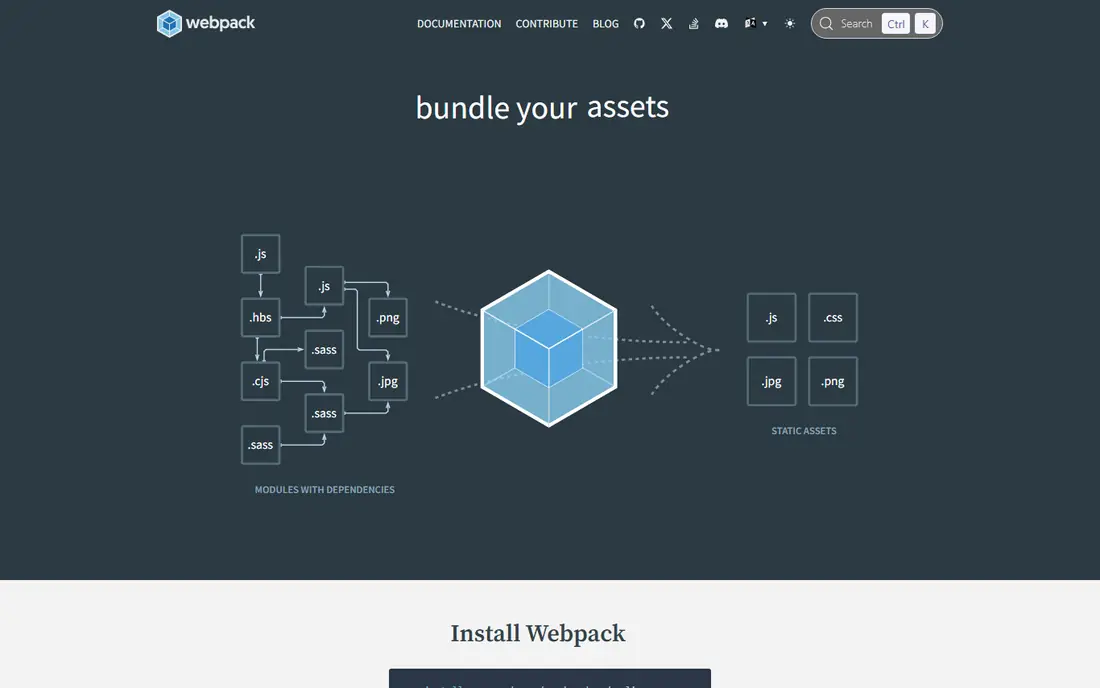
For a reader who wants large apps with complex build needs, Webpack is a direct place to start. Webpack offers a mature loader and plugin system that handles code splitting, asset handling, and framework integrations across large codebases. The reports and screens are organised around that job, so a first search or setup does not require learning a large system first.
Configuration is longer than newer tools, and a first setup can take time to get right. Check the plan limits before you pay, and confirm that the coverage and export options match the work you actually do each month. Pick Webpack when maturity and plugin coverage matter more than a short setup.
- Mature plugin and loader system
- Wide framework support
- Fine control over output
- Longer configuration
- Slower cold builds than newer tools
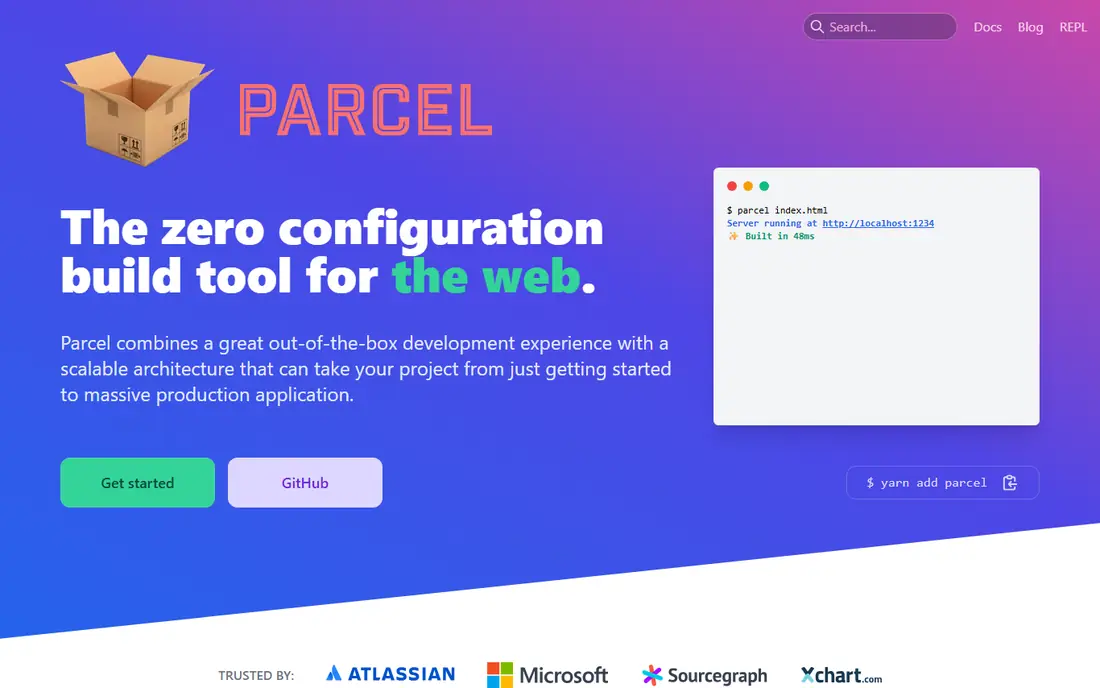
If small projects that need a quick bundle is the main job, Parcel deserves a close look. Parcel bundles JavaScript, CSS, HTML, and assets with little configuration, which suits prototypes, small sites, and learning projects. The reports and screens are organised around that job, so a first search or setup does not require learning a large system first.
Large apps may need more control than Parcel defaults provide, and plugin options are narrower than Webpack. Check the plan limits before you pay, and confirm that the coverage and export options match the work you actually do each month. Pick Parcel when you want a working bundle with minimal setup.
- Little configuration needed
- Fast for small projects
- Handles many asset types
- Less control for large apps
- Narrower plugin range than Webpack
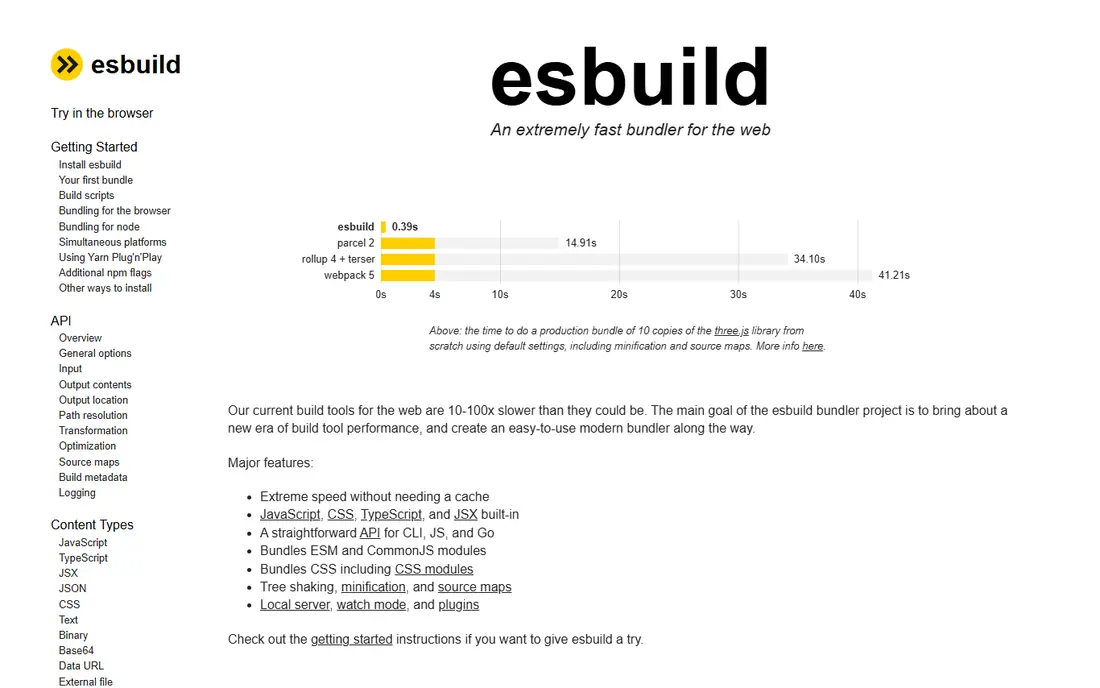
esbuild suits a reader who needs fast builds and tooling without a long setup. esbuild is a fast JavaScript bundler and minifier that suits build tooling, large codebases, and projects where build time is a bottleneck. The reports and screens are organised around that job, so a first search or setup does not require learning a large system first.
It is a bundler, not a full development server with the same plugin range as Vite or Webpack, so some workflows need extra tools. Check the plan limits before you pay, and confirm that the coverage and export options match the work you actually do each month. Pick esbuild when raw build speed is the main goal.
- Very fast builds
- Simple API
- Good TypeScript support
- Narrower plugin system
- Fewer built-in dev server features
When libraries that other developers import matters most, Rollup makes a practical shortlist entry. Rollup produces clean, tree shaken bundles for libraries, which helps keep published package size small and imports tidy. The reports and screens are organised around that job, so a first search or setup does not require learning a large system first.
App focused features such as hot reloading need extra setup, since Rollup is shaped around library output. Check the plan limits before you pay, and confirm that the coverage and export options match the work you actually do each month. Pick Rollup when you publish a library rather than build an app.
- Clean library output
- Strong tree shaking
- Wide plugin support
- More setup for app development
- Dev server needs extra tools
A reader focused on Next.js apps that need fast incremental builds will find Turbopack easy to understand. Turbopack is the Rust based bundler built for Next.js, with incremental compilation that speeds up large app development. The reports and screens are organised around that job, so a first search or setup does not require learning a large system first.
It is most useful inside the Next.js workflow, so teams outside that ecosystem gain less from it. Check the plan limits before you pay, and confirm that the coverage and export options match the work you actually do each month. Pick Turbopack when your project already runs on Next.js.
- Fast incremental builds
- Built for Next.js
- Rust based performance
- Best inside Next.js
- Less general purpose than Webpack
Rspack is built around Webpack style builds with faster speed, and that focus shows in the layout. Rspack aims for Webpack compatibility with Rust based speed, which suits teams that want faster builds without rewriting a Webpack setup. The reports and screens are organised around that job, so a first search or setup does not require learning a large system first.
Compatibility is strong but not complete, so check that your loaders and plugins work before a full switch. Check the plan limits before you pay, and confirm that the coverage and export options match the work you actually do each month. Pick Rspack when you want Webpack habits with a faster engine.
- Webpack style configuration
- Rust based speed
- Growing plugin support
- Not every Webpack plugin works yet
- Newer ecosystem than Webpack
For teams that want runtime, bundler, and package tools together, Bun offers a clear and workable route. Bun combines a JavaScript runtime, bundler, test runner, and package manager, which suits teams that want fewer separate tools. The reports and screens are organised around that job, so a first search or setup does not require learning a large system first.
Some Node.js packages and workflows still need checking, since Bun compatibility is not universal. Check the plan limits before you pay, and confirm that the coverage and export options match the work you actually do each month. Pick Bun when an all-in-one toolchain appeals more than a single bundler.
- Runtime, bundler, and tests in one tool
- Fast startup
- Simple package handling
- Compatibility gaps remain for some packages
- Newer ecosystem
Readers who need fast JavaScript and TypeScript compilation can start with SWC and compare from there. SWC is a fast compiler for JavaScript and TypeScript that powers tooling in frameworks and bundlers, and it suits large codebases where compile time matters. The reports and screens are organised around that job, so a first search or setup does not require learning a large system first.
SWC is a compiler, not a complete bundler, so it usually sits inside another build system rather than replacing one alone. Check the plan limits before you pay, and confirm that the coverage and export options match the work you actually do each month. Pick SWC when compile speed inside a larger toolchain is the goal.
- Very fast compilation
- TypeScript support
- Used by major frameworks
- Not a standalone bundler
- Needs a host build tool
How we picked these
We started with build tools and bundlers that are still maintained in October 2026, work with modern JavaScript and TypeScript, and publish documentation and release activity. We compared build speed claims, plugin ecosystems, configuration effort, framework support, and the project types each tool is known for. Our findings rest on official documentation, release pages, and public guides, and we favoured tools with active maintenance over tools that have stalled.
How to choose a Vite alternative
Start with the project type, not the speed chart. A library, a legacy app, and a new single page app need different tools, and the fastest bundler for one job can be a poor fit for another.
Match the tool to the project
Libraries benefit from Rollup, since it produces clean output for imports. Legacy apps with many loaders benefit from Webpack, since its ecosystem already covers those cases. Small sites and prototypes benefit from Parcel, since setup is short and the defaults cover most needs.
Weigh configuration against control
Parcel and esbuild need little setup, which saves time on small projects. Webpack and Rollup need more configuration, but they give finer control over output, code splitting, and asset handling. Choose low configuration when speed of setup matters, and choose control when output size and build rules matter more.
Check framework and plugin support before you switch
A tool that lacks a plugin for your framework, test runner, or CSS setup will cost more time than it saves. Check the official plugin list, the framework docs, and recent release notes. Also confirm that hot reloading, TypeScript, and your deployment target all work on the tool you plan to use.
Frequently asked questions
What are the best Vite alternatives?
Webpack suits large apps, Parcel suits small projects, and Rollup suits libraries. The best Vite alternative depends on project size, framework, and how much configuration you want to manage.
Is Webpack still a good alternative to Vite?
Yes, Webpack remains a strong choice for large and legacy apps, since its plugin system is mature and widely supported. It is slower to configure than Vite, but it handles complex build cases that newer tools may not cover yet.
What is the fastest alternative to Vite?
esbuild and SWC are among the fastest tools here, since they are built for speed in compiled languages. Turbopack and Rspack also aim for fast builds, although their speed depends on the framework and project setup.
Can I use Parcel instead of Vite?
Yes, Parcel works well for small and medium projects that need bundling with little setup. It handles JavaScript, CSS, and assets out of the box, although large apps may need the finer control that Webpack or Rollup provide.
Should I switch from Vite to another bundler?
Switch only when Vite lacks a plugin, a framework integration, or a build feature your project needs. For most new front end projects, Vite remains a solid default, and a switch should solve a specific problem rather than chase a speed claim.
Sources we checked (8)

Online Jobs is an independent blog about careers, online work, learning new skills and the tools that help people earn. More about us.
Keep reading
All posts
n8n Alternatives
n8n alternatives compared for 2026, with Zapier, Make, Activepieces, and more, covering visual builders, code steps, self-hosting, and pricing models.

ZoomInfo Alternatives
The best ZoomInfo alternatives in 2026, compared on price, free plans, data coverage, and which tool fits small teams or large sales teams best in detail.

Yotpo Alternatives
Find cheaper alternatives to Yotpo for reviews and loyalty, with Judge.me, Loox, Stamped, and more compared for Shopify stores in 2026, all in one guide.