Best Alternatives for Improving Small CR in 2026: 8 Tools Compared


Free conversion tracking · Starting price: Free
How we put this together: we compare official feature and pricing pages, app store listings, privacy policies and public user reviews. Prices change, so check the provider's site before you pay.
Key takeaways
- We read the truncated keyword CR as conversion rate, so this guide covers tools that help a small business turn more visitors into enquiries, sales, or sign-ups.
- Start with free analytics and behaviour tools before you pay for testing, because you need to know where visitors drop off first.
- Microsoft Clarity and Google Analytics 4 give small teams a strong free foundation for diagnosis.
- Hotjar, Crazy Egg, and OptinMonster help you fix friction and capture more leads without a large budget.
- VWO and Unbounce suit teams ready to test and build dedicated landing pages at scale.
Quick comparison
| Name | Who it suits | Starting price | Free option | |
|---|---|---|---|---|
| Google Analytics 4 | Free conversion tracking | Free | Yes | Visit |
 Microsoft Clarity | Free heatmaps and recordings | Free | Yes | Visit |
 Hotjar | Behaviour insights and feedback | See website | Yes | Visit |
 Crazy Egg | Heatmaps for small teams | See website | Free trial | Visit |
 OptinMonster | Lead capture and pop-ups | See website | Free trial | Visit |
 Unbounce | High-converting landing pages | See website | Free trial | Visit |
 VWO | A/B testing and personalisation | See website | Free trial | Visit |
 Instapage | Personalised landing experiences | See website | Free trial | Visit |
The best alternatives for improving small CR
A small business does not need a large conversion rate optimisation stack to improve results. It needs to find the biggest leak, fix it, and test the change. The tools below cover that journey: analytics to measure, behaviour tools to explain, lead capture to recover visitors, and testing tools to prove what works. Each one can be used alone, but they work best in a sensible order.
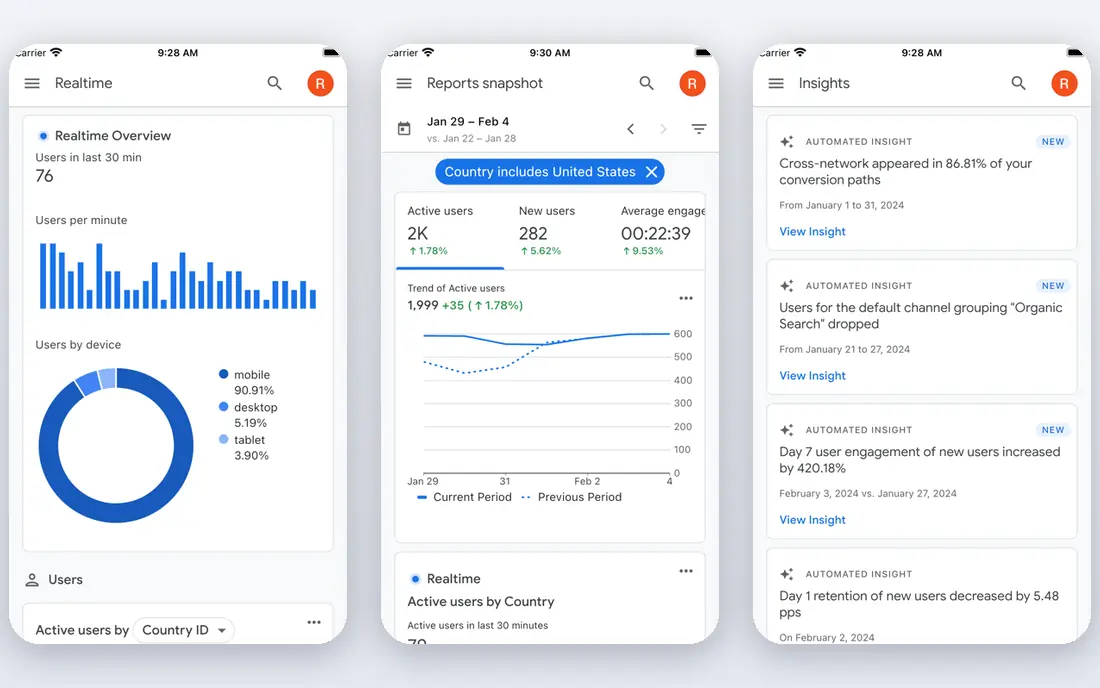
Google Analytics 4, usually called GA4, is the foundation for almost every small business conversion project, because it is free and it tells you where conversions happen and where they stop. You can track key events such as purchases, form submissions, and calls, build funnels to see drop-off between steps, and compare traffic sources to see which channels bring buyers rather than browsers. Without that baseline, every other tool is guesswork.
The honest catch is setup. GA4 does not automatically know what counts as a conversion for your business, so you need to define events, check that they fire correctly, and give the data time to accumulate. Once that work is done, GA4 becomes the reference point for every test and landing page change. Start here, even if you later add paid tools, because free measurement beats expensive opinion.
- Free and widely supported
- Funnel and conversion reporting
- Integrates with ads and other tools
- Setup and event definitions take care
- Reports can feel complex for beginners
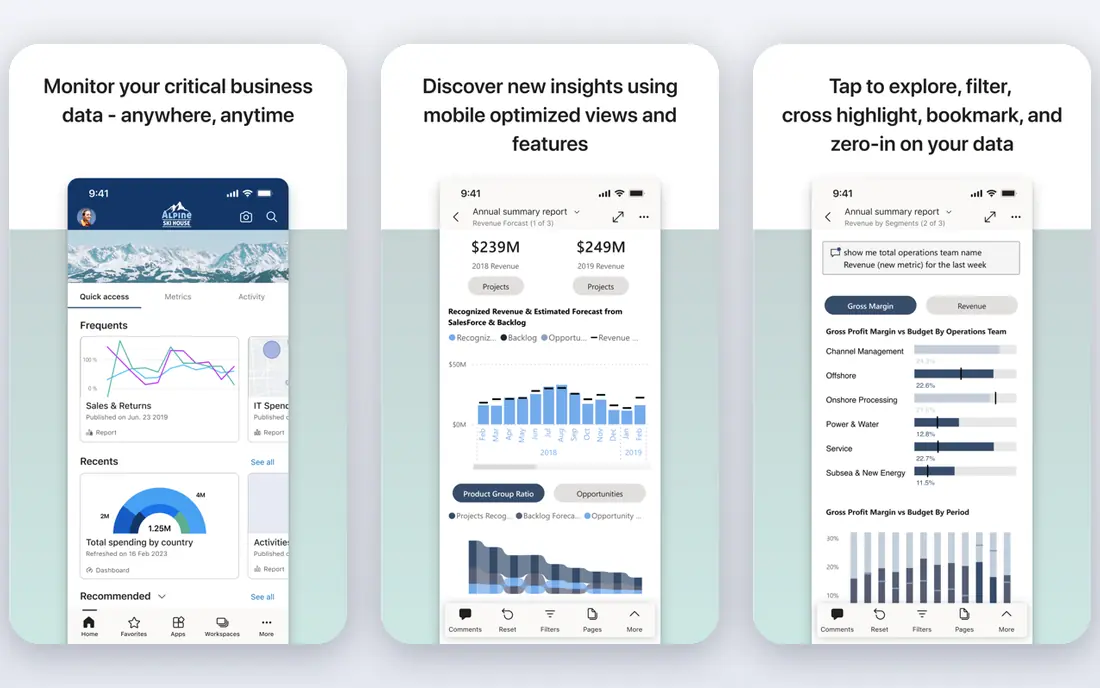
Microsoft Clarity is the best free behaviour tool for a small business, because it shows what visitors actually do on a page. Heatmaps reveal where people click, scroll, and hesitate, while session recordings let you watch real visits and spot broken forms, confusing layouts, or mobile issues. Rage clicks, where a visitor clicks repeatedly in frustration, are a clear signal that something is broken or unclear.
The limitation is that Clarity explains behaviour, it does not test solutions. You still need a separate tool to run an A/B test or build a new landing page. Clarity also records user sessions, so you must handle privacy carefully and follow its masking and consent guidance. Use Clarity for a few weeks, list the top three friction points, and fix those before you buy anything else.
- Free heatmaps and session recordings
- Rage click and dead click signals
- Easy setup
- No built-in A/B testing
- Recordings need careful privacy handling
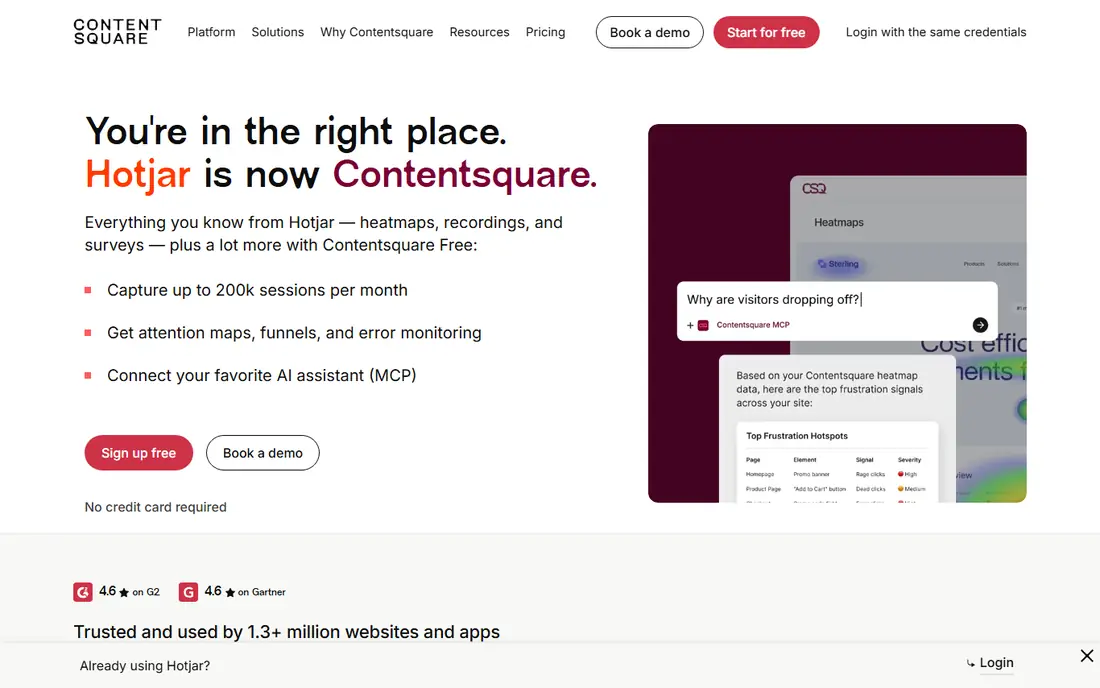
Hotjar combines heatmaps and session recordings with on-site surveys and feedback widgets, so you can learn both what visitors do and why they do it. A short survey on a checkout page, for example, can reveal a delivery concern or a payment question that analytics alone would miss. That mix of quantitative and qualitative insight is why Hotjar remains popular with small and mid-sized teams.
The trade-off is cost at scale and the risk of over-collecting feedback. Free and lower plans cover limited traffic, so a growing site will need a paid plan. Surveys also need short, neutral questions, or you will get polite answers that do not help. Hotjar fits teams that want one behaviour tool with feedback built in, and who will act on what they learn each week.
- Heatmaps, recordings, surveys, and feedback in one tool
- Quick setup
- Good for small teams
- Paid plans needed for larger traffic
- Survey responses need careful interpretation
Crazy Egg focuses on visual behaviour reporting, with heatmaps, scroll maps, and click overlays that show exactly how far visitors scroll and which elements they ignore. Its confetti view breaks clicks down by source, device, or other segments, which helps a small team see whether mobile visitors behave differently from desktop visitors. That clarity makes it easy to present findings to a non-technical owner.
The honest limit is breadth. Crazy Egg is not a full testing platform like VWO, and it does not offer the same survey depth as Hotjar. It earns its place as a focused, affordable behaviour tool for teams that mainly need to understand a page and fix its layout. If your main problem is a confusing page, Crazy Egg will show it quickly; if your main problem is proving a new headline, you will need a testing tool as well.
- Clear heatmaps and scroll maps
- Confetti and overlay views
- Simple reporting
- Less feedback tooling than Hotjar
- Testing features are more limited than VWO
OptinMonster helps small businesses capture more leads from existing traffic, with pop-ups, floating bars, slide-ins, and full-screen campaigns built in a drag-and-drop editor. Exit-intent technology shows an offer when a visitor is about to leave, while targeting rules let you show different messages to new visitors, returning visitors, or people from a specific campaign. For a site with decent traffic but weak lead capture, that can lift enquiries without buying more ads.
The catch is restraint. Too many pop-ups, or a pop-up that appears too early, will hurt trust and conversions rather than help them. Use one clear offer, test timing and targeting, and measure the effect on both leads and bounce behaviour. OptinMonster fits lead generation sites, blogs, and e-commerce stores that need a practical way to turn browsers into subscribers or enquiries.
- Drag-and-drop campaign builder
- Exit-intent and targeting rules
- Many integrations
- Pop-ups can annoy visitors if overused
- Design quality depends on your setup
Unbounce is built for campaign landing pages, where a single page has one job: convert a click into a lead or sale. Its drag-and-drop builder, templates, and A/B testing let marketers create and test pages without waiting for developers, while Smart Traffic routes visitors to the variant most likely to convert for them. That focus makes it a strong choice for paid search and social campaigns.
The limitation is scope and cost. Unbounce is not a website builder for a full site, and its pricing depends on traffic and features, so a small business should check the plan against its campaign volume. It fits teams that run paid campaigns and want dedicated pages for each offer, rather than sending all traffic to a generic homepage. Pair it with GA4 to track the full funnel, not just the landing page.
- Landing page builder with templates
- Smart Traffic routing
- A/B testing built in
- Cost rises with traffic and features
- Best for paid campaigns, not whole websites
VWO, formerly Visual Website Optimizer, is a full conversion platform that combines A/B testing, multivariate testing, heatmaps, session recordings, surveys, and personalisation. That breadth lets a team test headlines, layouts, offers, and personalised content with statistical reporting, rather than guessing which change helped. For a growing small business with enough traffic to run meaningful tests, VWO is a serious step up from a single-purpose tool.
The honest catch is traffic. A/B testing needs enough visitors and conversions to reach a reliable result, and a very small site may wait weeks for a test to conclude. VWO pricing also varies, so check the plan for your traffic level. VWO fits teams that have fixed the obvious friction, have steady traffic, and are ready to test systematically instead of changing pages on instinct.
- A/B, multivariate, and split testing
- Heatmaps and session recordings
- Personalisation tools
- More powerful than a small site may need
- Pricing varies by traffic and features
Instapage focuses on personalised landing pages at scale, with a builder, dynamic content, and collaboration tools for marketing teams. You can tailor a page to an ad, audience, or keyword, review changes with teammates, and track performance without leaving the platform. That personalisation matters when different campaigns bring different intents to the same offer.
The trade-off is price and complexity for a very small team. Instapage is built for marketers running multiple campaigns, so a business with one landing page may find Unbounce or a simpler builder enough. Instapage fits agencies and growing companies that need many tailored pages, clear review workflows, and reporting that connects page performance to campaign source.
- Landing page builder with personalisation
- Collaboration and review tools
- Analytics built in
- Higher cost than simpler builders
- Best for teams running many campaigns
How we picked these
We compared official feature pages, pricing pages, and documentation, along with recent conversion optimisation guides for small businesses. We favoured tools that are actively maintained, offer a free plan or trial, and solve a distinct part of the conversion problem: measurement, behaviour, lead capture, landing pages, or testing. We excluded Google Optimize, which shut down in 2023, because a small business needs a tool that works today.
We did not claim hands-on testing of every tool with live traffic, and we did not invent conversion lifts, prices, or feature claims. Where pricing varies by traffic or plan, we list See website. Start free, fix the biggest friction first, and only add a paid testing tool when you have enough traffic to learn from it.
A simple order for a small business
First, set up GA4 and Clarity, and watch for two weeks. Second, fix the top friction points you find, such as a confusing form, slow mobile layout, or unclear offer. Third, add lead capture with OptinMonster if you lose visitors without an enquiry. Fourth, build dedicated landing pages with Unbounce or Instapage for paid campaigns. Finally, test systematically with VWO once traffic allows a fair test.
Avoid the common small-site trap
Do not run five tests at once on low traffic, because you will not know which change mattered. Change one important element at a time, run it long enough to see a pattern, and keep a simple log of what you changed and what happened. Small, steady improvements compound, while constant redesigns without measurement usually waste time.
Frequently asked questions
What does CR mean for a small business?
In this guide, CR means conversion rate: the share of visitors who complete a goal, such as a purchase, enquiry, or sign-up. A small business improves CR by removing friction, clarifying its offer, and testing changes, rather than only buying more traffic. If your keyword meant something else, such as customer records, the tools here still help, because clearer pages and better lead capture support most small business goals.
What is the best free tool for improving conversion rate?
Google Analytics 4 and Microsoft Clarity together form the best free starting point. GA4 measures conversions and funnels, while Clarity shows heatmaps and recordings that explain drop-off. Both are free, and both work for small sites. Add a paid tool only after you have used the free data to find a clear problem.
How much traffic do I need for A/B testing?
You need enough visitors and conversions for a test to give a reliable result, which varies by your current conversion rate and the size of change you expect. As a rough guide, many small sites need thousands of visitors per variation, not dozens. If traffic is low, focus on fixing clear friction and improving lead capture first, and use testing later.
Is Unbounce or Instapage better for a small business?
Unbounce is usually simpler and more practical for a small business running a few paid campaigns, with Smart Traffic and built-in testing. Instapage suits teams running many personalised campaigns with collaboration needs. Start with the simpler builder, and move to Instapage when campaign volume and personalisation needs grow.
What is the best tool for small business lead capture?
OptinMonster is a strong choice for lead capture, with exit-intent pop-ups, targeting, and integrations. It works best when paired with a clear offer, such as a guide, discount, or consultation, and when pop-ups are used sparingly. Measure both new leads and overall page behaviour, so lead capture does not hurt the main conversion goal.
Should a small business use VWO or Hotjar first?
Use Hotjar first if you need to understand behaviour and gather feedback, and use VWO first if you already know what to test and have enough traffic for a fair test. Most small businesses benefit from Hotjar or Clarity before VWO, because diagnosis should come before testing. Once the obvious problems are fixed, VWO helps you prove the next improvement.
Sources we checked (8)

Online Jobs is an independent blog about careers, online work, learning new skills and the tools that help people earn. More about us.
Keep reading
All posts
n8n Alternatives
n8n alternatives compared for 2026, with Zapier, Make, Activepieces, and more, covering visual builders, code steps, self-hosting, and pricing models.

eBay Alternatives
Looking for ebay alternatives? We compared 9 marketplaces for sellers on fees, buyer reach, categories and ease of listing, to help you sell with confidence.

ZoomInfo Alternatives
The best ZoomInfo alternatives in 2026, compared on price, free plans, data coverage, and which tool fits small teams or large sales teams best in detail.