Best Expensify Alternatives in 2026: 9 Tools Compared

How we put this together: we compare official feature and pricing pages, app store listings, privacy policies and public user reviews. Prices change, so check the provider's site before you pay.
Key takeaways
- Card first platforms are often free because they earn from card use, while classic expense tools charge per user and work with any card.
- Receipt scanning quality and approval speed matter more day to day than a long feature list.
- Accounting integration should be checked for your exact system, not assumed from a logo list.
- Free tiers help small teams, but card eligibility and limits vary, so confirm terms before switching.
Quick comparison
| Name | Who it suits | Starting price | Free option | |
|---|---|---|---|---|
 Ramp | Card first spend management | Free | Yes | Visit |
 Brex | Startups and scaling teams | Free | Yes | Visit |
 Zoho Expense | Budget expense automation | $4 per month | Yes | Visit |
 Navan | Travel plus expenses | $15 per month | Yes | Visit |
 BILL Spend and Expense | Free cards and budgets | Free | Yes | Visit |
 SAP Concur | Enterprise travel and expense | See website | No | Visit |
 Emburse | Audited enterprise workflows | See website | Free trial | Visit |
 Airbase | Procurement led spend control | See website | Free trial | Visit |
 Pleo | European teams and VAT handling | See website | Free trial | Visit |
The best Expensify alternatives
We compared alternatives to Expensify by receipt capture, card model, approvals, accounting integrations and price, for small teams and larger companies. This is not financial advice, and pricing should be checked on each vendor page before you commit.
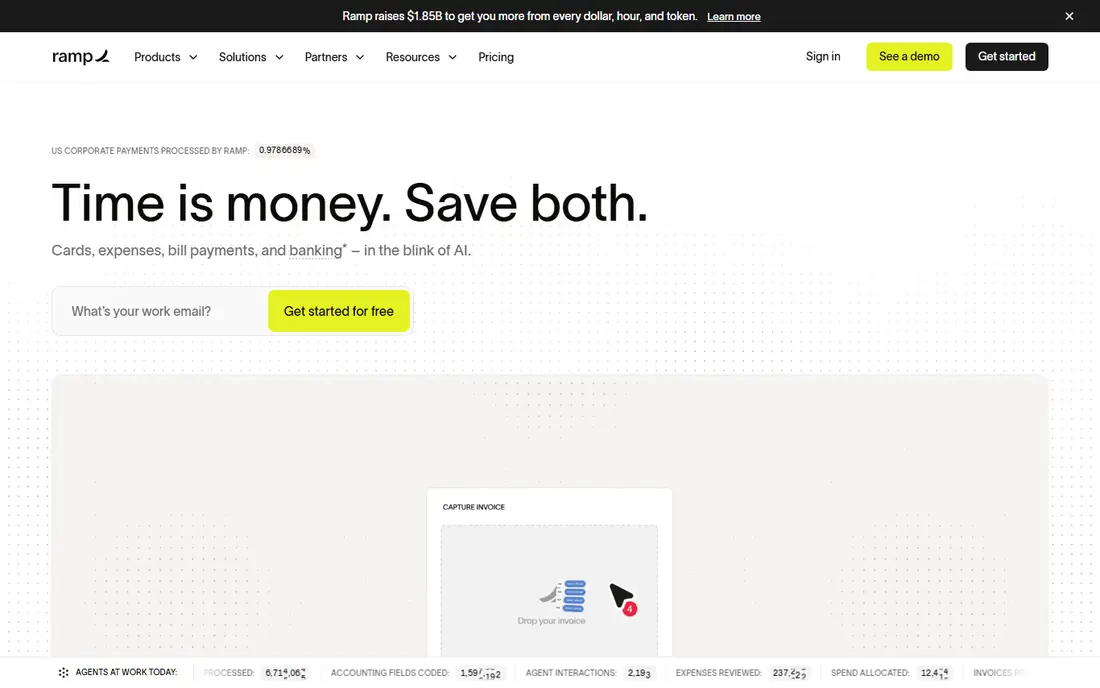
Ramp is our pick for startups and growth companies that want cards and expenses in one free core platform. Issue cards with limits, capture receipts automatically, and approve spend in one dashboard, with bill pay for vendor invoices. That card first model removes much of the manual expense work that classic tools still require.
The catch is the card model itself. You need to use Ramp cards, and eligibility and limits apply, so teams that want to keep existing bank cards should look elsewhere. Ramp Plus adds advanced features for a per user fee plus a platform fee. If you are happy to switch cards, Ramp offers a lot for no software cost.
- Corporate cards with controls
- Automated receipt capture
- Bill pay
- Requires Ramp cards
- Eligibility and limits apply
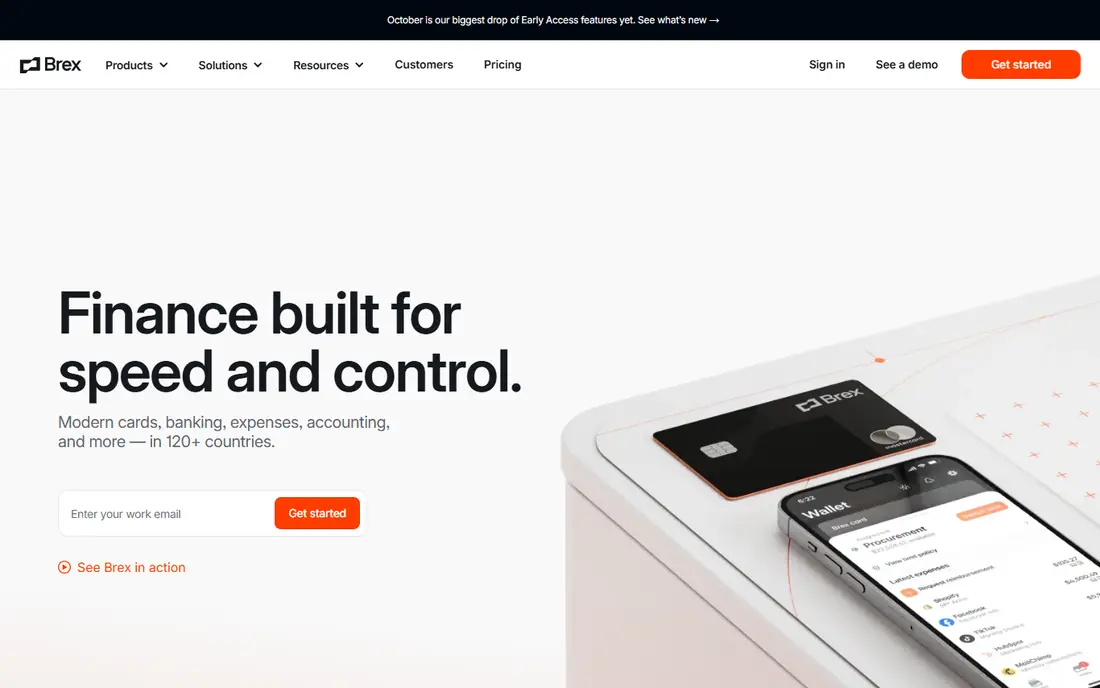
Brex suits startups and scaling companies that want cards, banking style features and spend management together. Its free Essentials tier covers cards and expense controls, while Premium adds advanced approvals, budgets and integrations. Receipt capture and real time card controls help finance teams see spend as it happens.
The catch is similar to Ramp: full value depends on Brex cards, and some features need Premium. If your team already uses Brex or plans to, the platform is strong. If you want to keep existing cards, a classic expense tool like Zoho Expense may fit better.
- Corporate cards and spend controls
- Receipt automation
- Bill pay
- Requires Brex cards for full value
- Premium features cost extra
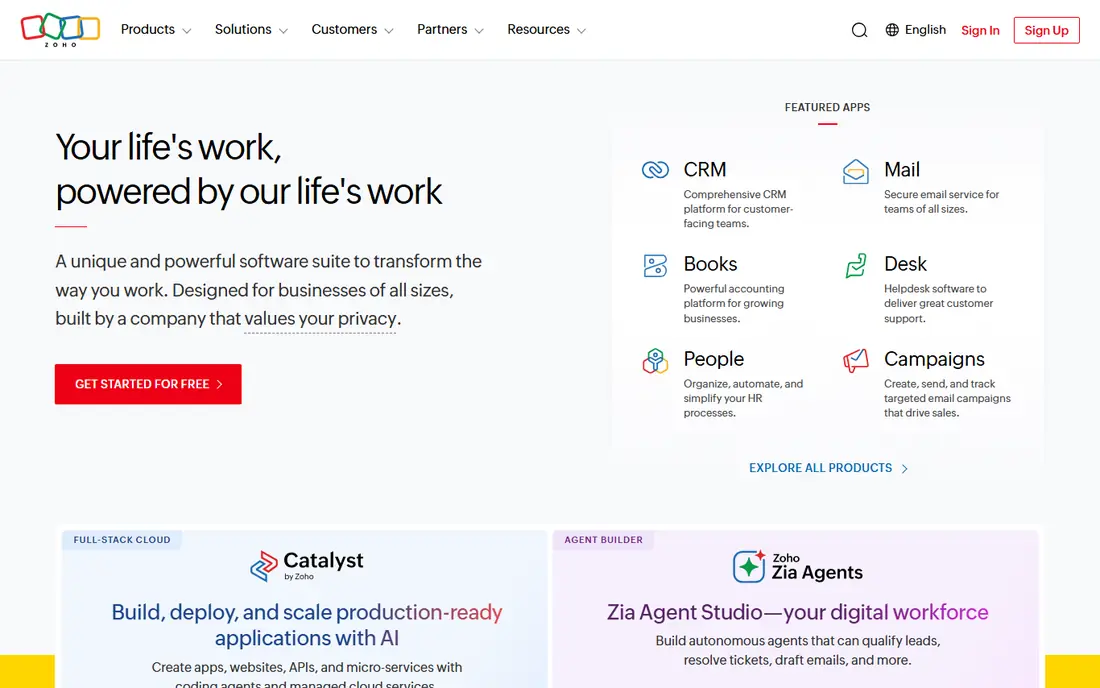
Zoho Expense is our budget pick for teams that want classic expense reporting without card switching. Scan receipts, submit expenses, set approvals and sync with Zoho Books, QuickBooks or Xero. The free tier covers small teams, and paid plans stay low cost compared with enterprise rivals.
The catch is depth. Card controls are lighter than card first platforms, and advanced features sit on higher plans. If you use Zoho tools already, integration is a bonus. If you want free cards plus expenses, Ramp or Brex may offer more, provided you qualify.
- Receipt scanning
- Approvals
- Accounting integrations
- Low price
- Advanced features on higher plans
- Card controls are lighter
Navan suits companies where travel booking and expenses belong together. Book flights and hotels, capture receipts, and manage approvals in one flow, rather than reconciling travel in one system and expenses in another. That unity helps finance teams and frequent travellers alike.
The catch is price structure. Travel booking is free, while expensing users are priced after an initial free allowance for smaller companies. If your team rarely travels, a simpler expense tool may cost less. If travel is central, Navan removes a whole layer of reconciliation.
- Travel booking and expenses in one platform
- Receipt capture
- Approvals
- Expense pricing after free users
- Travel focus may be more than needed
BILL Spend and Expense, formerly Divvy, suits small teams that want free employee cards with built in budgets. Set budgets by team or project, issue cards, and sync transactions to accounting software. The free model makes it attractive for lean teams that need control without a per user software fee.
The catch is the card requirement and regional focus. You need BILL cards, and some features are US focused. If that fits, the value is strong. If you need to keep existing cards or operate mainly outside the US, check coverage and terms carefully.
- Free corporate cards
- Budgets and controls
- Accounting sync
- Requires BILL cards
- US focus for some features
SAP Concur suits large enterprises with complex travel and expense policies. It handles multi entity structures, detailed approvals, audit trails and global travel rules that smaller tools do not cover. Integration with SAP and other enterprise systems is a further strength for large organisations.
The catch is cost and complexity. Pricing is by quote, setup takes time, and small teams will find it heavy. If your company is large, regulated or global, Concur is a proven choice. If you are a small team, start with a simpler, cheaper alternative.
- Mature travel and expense policies
- Global support
- Audit controls
- Quote based pricing
- Complex setup for small teams
Emburse suits mid sized and large companies that need audited expense and travel workflows. It combines expense reporting, approvals and policy controls in a system designed for compliance, with integrations for common accounting platforms. That focus helps finance teams that must prove policy compliance.
The catch is pricing and setup. Plans are by quote or demo, and implementation is heavier than for small team tools. If audit and policy control are central, Emburse is worth evaluating. If you need a quick, low cost start, a free tier rival will be faster.
- Enterprise expense and travel workflows
- Audit and policy controls
- Quote based pricing
- Heavier for small teams
Airbase suits mid market companies that want procurement led spend control, not just expense reports. Staff request spend, managers approve, and cards and bill pay follow the same controls, with accounting sync for finance. That structure helps companies that need to control spend before it happens.
The catch is scope and price. Pricing is by quote, and the procurement focus may be more than a small team needs. If you already struggle with unapproved spend, Airbase addresses the root cause. If you mainly need receipt scanning and reimbursements, a simpler tool will be quicker.
- Spend requests and approvals
- Cards and bill pay
- Accounting sync
- Quote based pricing
- Procurement focus may be more than needed
Pleo suits European teams that want company cards with strong VAT handling and accounting integration. Employees spend on Pleo cards, capture receipts in the app, and finance teams reconcile with less manual work. That local focus helps companies operating across European tax rules.
The catch is price and region. There is no free plan, and pricing varies by market, so confirm terms for your country. If you operate mainly in Europe and need VAT aware expense handling, Pleo is a strong specialist. If you are US focused, Ramp, Brex or BILL may fit better.
- Company cards
- Receipt capture
- VAT and accounting features
- No free plan
- Pricing varies by region
How we picked these
We checked official pricing pages and product pages for each alternative, including free tiers, card requirements and accounting integrations. We compared receipt capture, approvals, card controls and travel features, because those factors decide daily value more than a feature list alone. We also noted where pricing is by quote, since that affects comparison for small teams.
We did not claim hands on testing we did not do. Prices, card eligibility and free user limits change, so confirm current terms on the vendor page before switching, especially for card based platforms. This article is not financial advice.
How to choose an Expensify alternative without disrupting your team
Start with your card question. If you are happy to switch to a provider card, free card first platforms offer the best value. If you must keep existing bank cards, classic tools like Zoho Expense, Navan or Emburse are better, because they work regardless of which cards your team carries.
Next, test receipt capture and approvals with real expenses. Scan a mix of paper receipts, emailed invoices and card transactions, and follow them through approval to accounting sync. A tool that handles your messiest receipts cleanly will save finance time every month.
Finally, check accounting and policy fit. Confirm sync with your exact accounting system, approval rules for your team size, and reimbursement timing for staff who pay out of pocket. A short pilot with one team reveals policy gaps faster than a demo, and it makes a full rollout much smoother.
Frequently asked questions
What is the best alternative to Expensify?
Ramp and Brex are strong for card first teams, Zoho Expense is best for low cost classic reporting, and Navan suits travel heavy teams. The best choice depends on whether you will switch cards and how much travel your team does.
Is there a free alternative to Expensify?
Yes. Ramp, Brex, Zoho Expense, Navan and BILL Spend and Expense all offer free tiers or free user allowances, though card eligibility and limits apply. Check free tier limits for your team size before relying on them.
Do Expensify alternatives require a corporate card?
Card first platforms such as Ramp, Brex and BILL require their own cards for full value. Classic tools such as Zoho Expense, SAP Concur and Emburse work with existing cards and focus on reporting and reimbursements instead.
How much do Expensify alternatives cost?
Free tiers exist, while paid plans in this list range from about $4 to $15 per user per month, with enterprise platforms priced by quote. Card first platforms may add platform fees on paid tiers, so check total cost, not just per user price.
Can I sync expenses with QuickBooks or Xero?
Most tools on this list sync with QuickBooks, Xero and other accounting systems, but sync depth varies. Confirm that your exact accounting version and chart of accounts are supported before you commit.
Is switching from Expensify difficult?
Migration involves exporting past expenses, setting up approvals and training staff, but most vendors offer import help. Run a pilot with one team first, keep old data accessible, and switch fully only after approvals and accounting sync work cleanly.
Sources we checked (9)

Online Jobs is an independent blog about careers, online work, learning new skills and the tools that help people earn. More about us.
Keep reading
All posts
Top AI Financial Software
Searching for top AI financial software? We compared 9 AI finance tools for AP, spend, close, forecasting and bookkeeping to help teams choose wisely.
Quicken Alternatives
Compare the best quicken alternatives for Mac, Windows, and small business owners, from Monarch Money and YNAB to Copilot, Tiller, and Banktivity in 2026.

QuickBooks Online Alternatives
Looking for quickbooks online alternatives? We compared 8 accounting tools on invoicing, bank feeds, payroll, pricing and fit for small businesses today.