Best Invoice Factoring Companies in 2026: 8 Companies Compared

How we put this together: we compare official feature and pricing pages, app store listings, privacy policies and public user reviews. Prices change, so check the provider's site before you pay.
Key takeaways
- altLINE suits startups and recurring factoring needs with bank backed funding and advances up to 90 percent.
- FundThrough suits businesses that want spot factoring, accounting software sync, and advances up to 100 percent.
- RTS Financial is the trucking specialist, with fuel and fleet services alongside factoring.
- Always compare total cost, advance rate, contract length, and recourse terms, not just the headline fee.
Quick comparison
| Name | Who it suits | Starting price | Free option | |
|---|---|---|---|---|
 altLINE | Startups and recurring factoring | See website | No | Visit |
 FundThrough | Spot factoring and software sync | See website | No | Visit |
 RTS Financial | Trucking companies | See website | No | Visit |
 Riviera Finance | Startups and smaller amounts | See website | No | Visit |
 eCapital | Broad industry factoring | See website | No | Visit |
 Scale Funding | On demand funding | See website | No | Visit |
 Universal Funding Corporation | Long term factoring | See website | No | Visit |
 Clarify Capital | Multiple financing options | See website | No | Visit |
The best invoice factoring companies
Invoice factoring turns unpaid business invoices into cash before customers pay, usually within a day or two after setup. A factor advances most of the invoice value, then pays the balance minus a fee when the customer settles. We compared official service pages and published fee ranges for the companies below, and we focused on advance rate, fee structure, funding speed, contract terms, and industry fit. This is general information, not financial advice. Factoring costs can be high if invoices pay late, so read the full contract and compare total cost before signing.
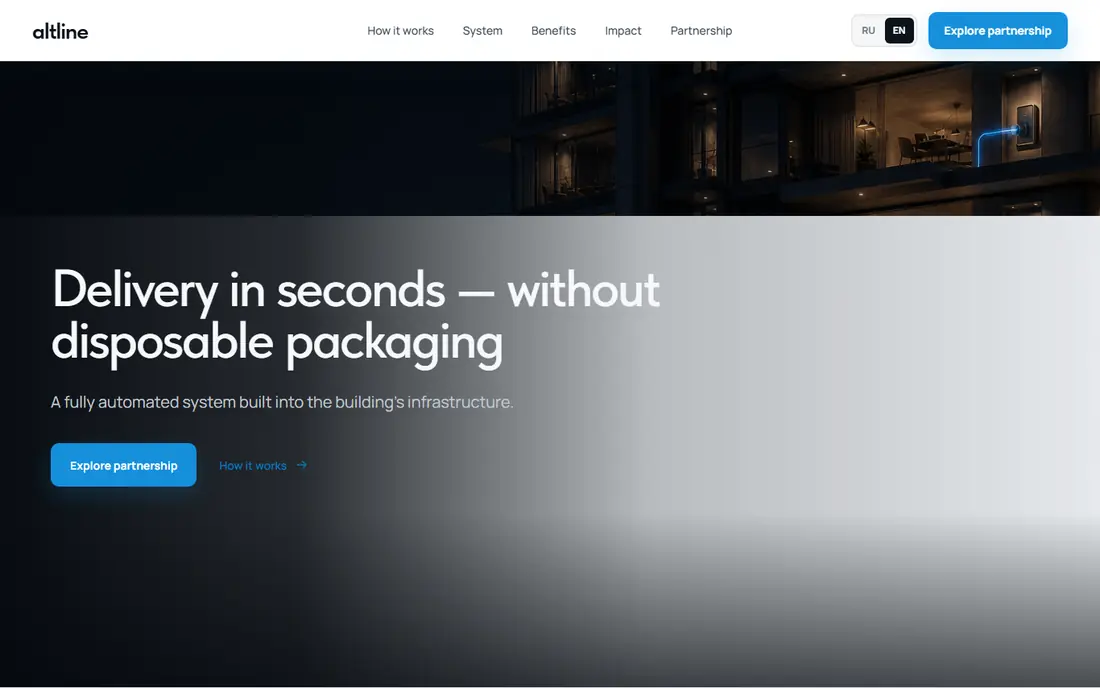
altLINE is the factoring division of The Southern Bank Company, which means it funds directly as a bank rather than through a broker. That backing helps explain its competitive fee range, often quoted from under 1 percent to a few percent per period depending on volume, customer credit, and terms. It works with startups and businesses with limited credit, which many factors avoid.
Advances run up to 90 percent, with the balance paid after the customer pays, minus the fee. An origination fee may apply, and onboarding involves credit and background checks, so setup can feel more formal than with a nimble independent factor. For recurring factoring needs where low cost and bank stability matter, altLINE is a strong first quote.
- Bank backed direct funding
- Works with startups and limited credit
- Advances up to 90 percent
- Origination fee may apply
- Onboarding can be more formal than independent factors
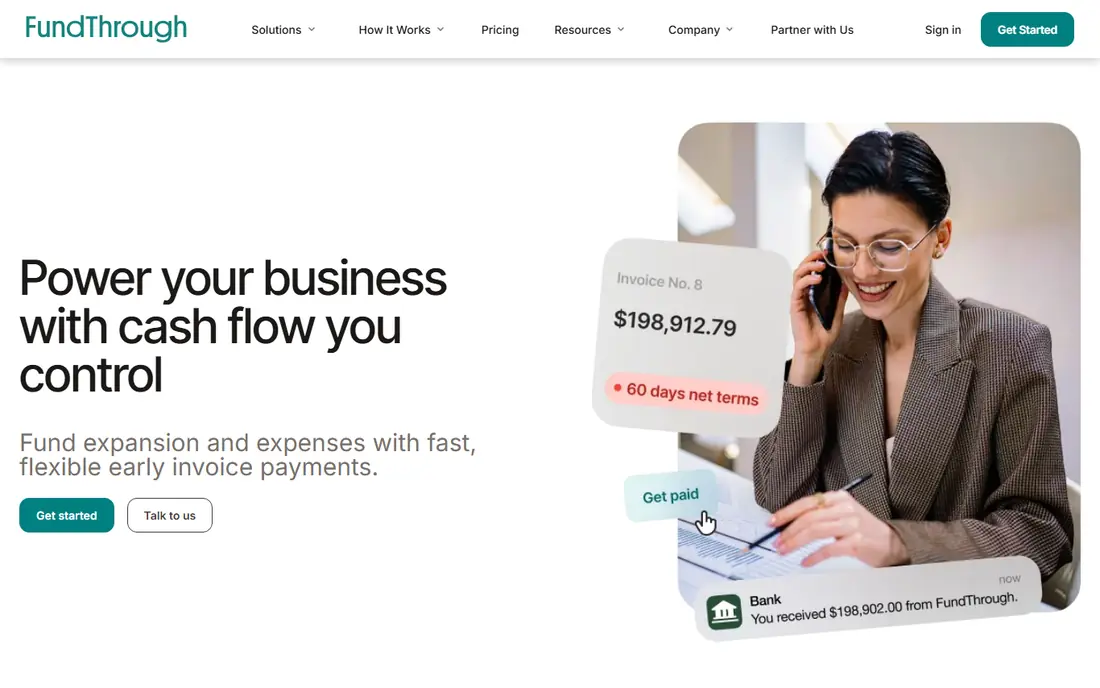
FundThrough suits businesses that want to fund single invoices when cash flow is tight, rather than committing a whole ledger. Its published fee range is about 1.9 percent to 2.9 percent per 30 days for invoices up to a set total, with custom pricing above that level, and advances can reach 100 percent minus the fee depending on customer risk. Sync with QuickBooks, Xero, and other tools makes it easy to select invoices and track funding.
The catch is that fees beyond the first 30 days are less clearly published, so ask for a written quote that covers late payment scenarios. FundThrough also focuses on completed business to business and government work, so some industries are excluded. For flexible, software friendly factoring, FundThrough is our pick for spot needs.
- Advances up to 100 percent minus fee
- Spot factoring with no long contract
- Syncs with QuickBooks and other accounting tools
- Fees beyond 30 days are less clearly published
- Not for construction or real estate invoices in many cases
RTS Financial is built for trucking and freight, and that specialization matters. Alongside factoring, it offers fuel cards, fuel advances, and fleet services that fit owner operators and small fleets. Advances are often above 90 percent, and funding is usually available within one to two business days after approval.
RTS is less useful for a general business outside trucking, since its services and pricing are tuned to freight invoices. Fee terms also vary by volume and by whether you use bundled services, so get a written all in quote. For a trucking company that wants factoring plus fuel support in one relationship, RTS is a strong choice.
- Trucking specialist
- Fuel card and fleet services
- Advances often above 90 percent
- Less suited to non trucking industries
- Fee terms vary by volume and service bundle
Riviera Finance is a well known factor for startups and smaller businesses that need factoring for modest invoice amounts. It offers advances around 95 percent in many cases, with a fee often quoted near 2 percent per period, though the exact fee depends on volume and customer credit. That combination suits businesses that cannot meet the minimums of larger bank backed factors.
The main drawback is contract length, which often runs for several months, and first funding can take several days while accounts are set up. If you want a long term factoring relationship with a familiar name and smaller amounts, Riviera is worth a quote. If you want spot factoring with no contract, FundThrough or Scale Funding will fit better.
- Works with smaller funding amounts
- Long history in factoring
- Advances around 95 percent in many cases
- Contract term often applies
- Funding can take several days on first funding
eCapital provides factoring across many industries, including transportation, staffing, manufacturing, and business services. Advances can reach 100 percent depending on agreed terms, and funding is usually available within 24 to 48 hours after approval. Its online platform lets you submit invoices and track funding, which helps busy finance teams.
Fees vary widely, from about 1 percent to 5 percent or more depending on risk, volume, and terms, so a headline rate alone tells you little. Non recourse options exist for some freight factoring, but terms differ by industry. Get a written quote that lists advance rate, fee period, minimums, and termination terms before you commit to eCapital.
- Broad industry coverage
- Advances up to 100 percent depending on terms
- Funding in 24 to 48 hours after approval
- Fees can exceed 5 percent in some cases
- Quote required for exact terms
Scale Funding suits businesses that want factoring on demand, without a long term contract. It offers advances around 90 percent, with fees often quoted near 2 percent per period, and funding in one to four days after approval. That flexibility helps seasonal businesses and companies with uneven invoice flow.
A minimum annual revenue threshold applies, so very small businesses may not qualify. Fees also depend on volume and customer credit, so two businesses can receive different quotes for similar invoices. If you want on demand factoring and you meet the revenue threshold, Scale Funding is a useful option to compare with FundThrough.
- No long contract in many cases
- Advances around 90 percent
- Funding in one to four days
- Minimum revenue threshold applies
- Fee depends on volume and customer credit
Universal Funding Corporation is built for longer term factoring relationships, with advances around 95 percent and funding limits up to several million dollars. Fees are often quoted from under 1 percent per period, depending on volume and risk, which can make it competitive for steady, recurring factoring. It suits businesses with regular business to business invoices and a need for predictable cash flow.
The trade off is commitment. Contracts often run for 12 months, and a minimum revenue threshold applies, so it is less suited to one off funding needs. If you factor every month and want a stable partner, Universal Funding is worth a quote. If you factor rarely, a spot factor will cost less in commitment, even if the per invoice fee is higher.
- Advances around 95 percent
- Funding up to several million dollars
- Long term relationship focus
- Contract term often 12 months
- Minimum revenue threshold applies
Clarify Capital helps businesses compare financing options, including factoring, and it can match applicants with lenders that fit their invoice profile. Advances can reach 100 percent in some cases, and funding can be as fast as 24 hours for qualified applicants. That breadth helps when you are not sure whether factoring, a line of credit, or another product fits best.
Because Clarify can act as a marketplace, terms depend on the matched lender, not only on Clarify itself. Fee ranges therefore vary widely, and you must read the final lender contract, not just the initial match offer. For businesses that want to compare several financing routes at once, Clarify is a useful starting point, provided you compare the final terms carefully.
- Offers factoring alongside other financing
- Advances up to 100 percent in some cases
- Fast funding for qualified applicants
- Acts as a marketplace in some cases, so terms depend on the matched lender
- Fee range varies widely
How we picked these
We compared official service pages and published fee and advance ranges for invoice factoring companies available in October 2026, and we checked that each official homepage matches the company named. We favored companies with clear advance rates, published fee ranges or quote processes, and funding for business to business invoices. Because factoring pricing depends on invoice volume, customer credit, and payment terms, we show See website for starting price and advise readers to get written all in quotes.
How to compare factoring quotes safely
Compare total cost, not just the headline fee. Ask for the advance rate, the fee per period, how the fee grows if a customer pays late, and every extra charge, including origination, monthly minimums, wire fees, and termination fees. Ask whether the contract is recourse or non recourse, since recourse means you repay the advance if the customer does not pay, while non recourse shifts some of that risk to the factor for approved customers.
Check contract length, notice period, and whether you must factor all invoices or can choose single invoices. Spot factoring costs more per invoice in some cases, but it avoids a long commitment. Also check whether the factor notifies your customers, since notification factoring changes how customers pay and who they contact. Get at least three written quotes, read the contract with an adviser if the amounts are large, and never sign based on a verbal fee alone.
A simple cost check
Take one typical invoice, apply the advance rate and fee for 30, 60, and 90 days, and add all extra fees. That table shows the real cost if a customer pays late, which is when factoring becomes expensive. If a factor will not give you that table in writing, treat that as a warning sign.
Frequently asked questions
What are the best invoice factoring companies?
altLINE, FundThrough, RTS Financial, Riviera Finance, eCapital, Scale Funding, Universal Funding Corporation, and Clarify Capital are strong options, each with a different strength. altLINE suits recurring needs, FundThrough suits spot factoring, and RTS suits trucking.
What is the best invoice financing company for startups?
altLINE and Riviera Finance both work with startups and smaller businesses, with advances up to 90 to 95 percent in many cases. FundThrough also suits newer businesses with completed business to business work and accounting software sync.
How much does invoice factoring cost?
Fees vary by factor, volume, customer credit, and payment time. Published ranges in this list run from under 1 percent to about 5 percent per period, with extra fees possible. Always get a written all in quote for 30, 60, and 90 day payment scenarios before signing.
What is the difference between recourse and non recourse factoring?
In recourse factoring, you repay the advance if your customer does not pay. In non recourse factoring, the factor bears some risk for approved customers, usually with stricter customer approval and higher fees. Check which type your contract uses, since it changes your risk greatly.
How fast can I get funding from a factor?
After setup, many factors fund within 24 to 48 hours, and some offer same day funding for qualified invoices. First funding takes longer, often several days, while the factor verifies your business, customers, and invoices.
Is factoring the same as a business loan?
No. Factoring advances cash against invoices you have already issued, while a loan provides borrowed funds repaid over time with interest. Factoring does not create the same kind of debt on your balance sheet, but it can cost more than a loan if invoices pay slowly, so compare both options.
Sources we checked (8)

Online Jobs is an independent blog about careers, online work, learning new skills and the tools that help people earn. More about us.
Keep reading
All posts
Wise Alternatives
Compare the best Wise alternatives in 2026, from Revolut and Remitly to OFX and Xe, with fees, speed, cash pickup options, and honest trade-offs today.
Top AI Financial Software
Searching for top AI financial software? We compared 9 AI finance tools for AP, spend, close, forecasting and bookkeeping to help teams choose wisely.
Quicken Alternatives
Compare the best quicken alternatives for Mac, Windows, and small business owners, from Monarch Money and YNAB to Copilot, Tiller, and Banktivity in 2026.