Best Daily Rank Tracking Service in 2026: 8 Services Compared

How we put this together: we compare official feature and pricing pages, app store listings, privacy policies and public user reviews. Prices change, so check the provider's site before you pay.
Key takeaways
- Daily tracking matters when you publish often, run client work, or need to spot a drop before it costs traffic.
- SE Ranking offers strong daily value at volume, with 2,000 keywords on its Core plan.
- Semrush suits teams that want daily rank tracking inside a full SEO suite, while AccuRanker suits agencies with large keyword sets.
- Cheap daily tools such as SerpRobot can suit a small site, but check keyword limits and location counting first.
- Always confirm whether desktop and mobile count as separate keywords, and whether updates are truly daily on your plan.
Quick comparison
| Name | Who it suits | Starting price | Free option | |
|---|---|---|---|---|
 SE Ranking | Daily tracking at volume | $129 per month | Free trial | Visit |
 Semrush | Daily tracking inside a full suite | $139 per month | Free trial | Visit |
 AccuRanker | Large agency keyword sets | $224 per month billed annually | No | Visit |
 Nightwatch | Daily tracking with unlimited seats | See website | Free trial | Visit |
 Wincher | Simple daily tracking | See website | Free trial | Visit |
 SerpRobot | Cheapest daily tracking | $4.99 per month | No | Visit |
 Zutrix | Daily tracking for small agencies | See website | No | Visit |
 Advanced Web Ranking | Large-scale daily and on-demand tracking | See website | Free trial | Visit |
The best daily rank tracking service
Daily rank tracking means your keyword positions update every day, rather than weekly or on demand only. That frequency helps when you publish often, manage client sites, or need to catch a sudden drop fast. We compared official pricing pages and feature pages for tools that state daily updates, and we favoured tools with clear keyword limits and location options. Our pick for most teams is SE Ranking, because its Core plan covers 2,000 keywords with daily updates at a price below many agency-focused rivals.
Note that some well-known tools update weekly by default on entry plans, even if they offer daily updates on higher tiers. This list focuses on tools where daily tracking is a clear part of the offer, and we note weekly limits where they matter. Prices change with billing period, so check the vendor page at purchase time.
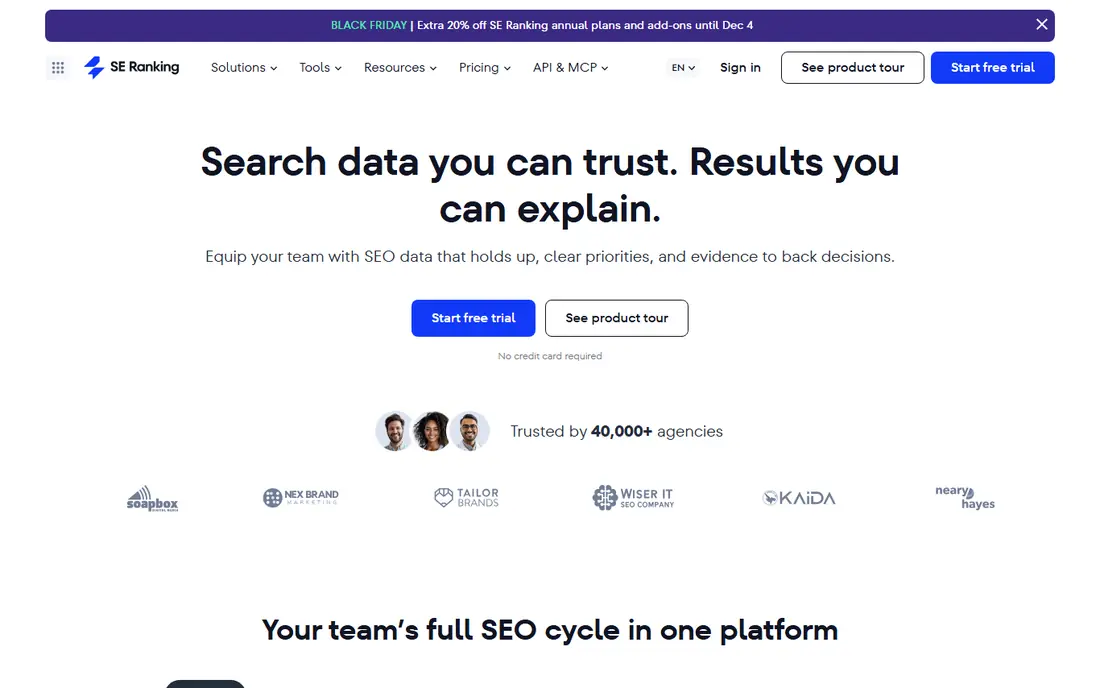
SE Ranking is an all-in-one SEO platform whose Core plan tracks 2,000 keywords daily, which makes it strong value for agencies and growing sites with large keyword lists. The same plan includes site audits, keyword research, and reporting, so teams can avoid paying for a separate suite. Daily updates help when you need to link a traffic change to a specific publishing or technical change.
The main drawback is entry cost for a lone freelancer with only 50 keywords. A smaller tool may be cheaper if you never use the audit or research features. For teams that track hundreds or thousands of keywords daily, SE Ranking is hard to beat on price per keyword.
- 2,000 keywords with daily updates on Core
- Audits and research in the same plan
- White-label reports on all plans in recent listings
- Entry price is high for a single small site
- Full suite can feel broad if you only need ranks
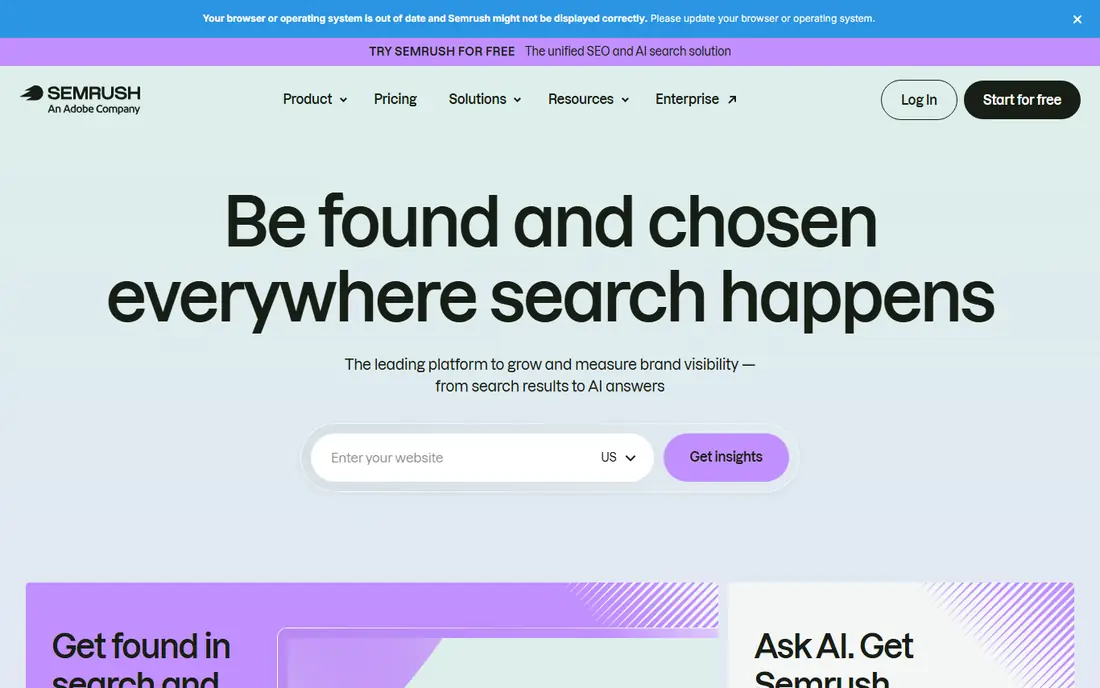
Semrush Position Tracking updates daily on its SEO plan, with 500 keywords included at entry level. That daily cadence, plus keyword research, backlink data, and site audits in the same subscription, suits teams that already use Semrush for broader SEO work. AI visibility tracking is also a growing reason teams stay with the suite.
Cost per keyword is higher than specialist trackers, because you pay for the full suite, not only ranks. If you only need daily positions and nothing else, a cheaper specialist may serve you better. If you need research, audits, and tracking in one place, Semrush is a practical choice.
- Daily position tracking for 500 keywords on the SEO plan
- Deep keyword and competitor research
- AI visibility features
- Higher cost per keyword than specialist trackers
- Suite depth can overwhelm a rank-only buyer
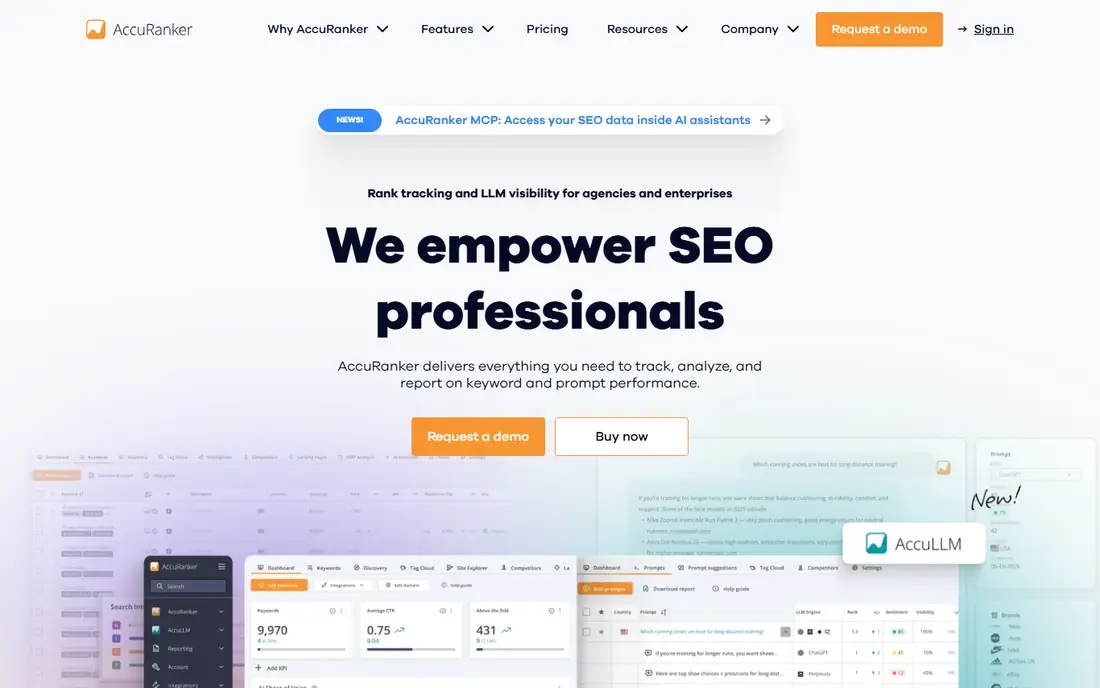
AccuRanker is built for agencies and large teams that track thousands of keywords and need fast, on-demand refreshes alongside daily updates. The Professional plan covers 2,000 keywords, with tagging, segmentation, and reporting features that suit client work. Unlimited users on recent listings also help agencies share access without per-seat fees.
The entry price is high, and the keyword floor means small sites pay for capacity they may not use. AccuRanker suits agencies and enterprises that value speed, reporting depth, and API access over the lowest entry price.
- Daily and on-demand updates
- 2,000 keywords on Professional
- Unlimited users in recent listings
- Strong reporting and API access
- High entry price
- 2,000-keyword floor may be more than a small site needs
Nightwatch offers daily rank tracking with on-demand refreshes, plus AI search tracking features that matter as AI answers take more search visibility. Unlimited seats help teams and agencies share access without extra per-user costs. The dashboard is focused on tracking and reporting, rather than a sprawling suite.
Pricing is listed in euros, so US buyers should check the converted cost and billing terms. The entry plan also covers fewer keywords than SE Ranking, so large lists will need a higher tier. For teams that value seats and AI tracking, Nightwatch is a strong daily option.
- Daily plus on-demand updates
- Unlimited seats in recent listings
- AI search tracking options
- Pricing in euros can confuse US buyers
- Entry keyword limit is lower than SE Ranking
Wincher is a focused rank tracker with a clean dashboard, daily updates, and tools for tracking SERP features and devices. Setup is quick, and the WordPress integration helps site owners check ranks without leaving their admin area. Small teams that want daily ranks without learning a full suite often find Wincher easy to adopt.
Advanced features such as on-demand updates and API access sit on higher tiers, so check the plan that covers your needs. Pricing also varies by currency in different listings, so confirm the price in your currency at checkout. For simple daily tracking, Wincher remains a clear, low-friction choice.
- Simple dashboard
- Daily updates
- Device and SERP feature tracking
- WordPress integration
- Higher tiers needed for API and on-demand updates
- Pricing varies by currency and plan
SerpRobot sells daily rank checks by bot, with one bot covering 75 keywords for a low monthly price. That model suits a small site, a blogger, or a freelancer who only needs daily positions for a short keyword list. Costs scale by adding bots, so you pay roughly in line with the keywords you track.
The trade-off is depth. SerpRobot does not offer the research, audit, or client reporting features of larger tools, and large keyword lists become less cheap as bots add up. For a small site that only needs daily ranks, though, it is the cheapest credible daily option we found.
- Very low entry price
- Daily checks
- Simple pay-per-bot model
- Limited keywords per bot
- Fewer reporting and research features than suite tools
Zutrix offers daily rank tracking with reporting features aimed at small teams and agencies. Its Pro plan covers around 1,000 keywords with daily updates in recent listings, which sits between cheap single-site tools and large agency platforms. That middle position suits agencies that need daily data for several clients without enterprise pricing.
Buyers should check update frequency by plan, since lower tiers may not offer daily checks. Zutrix also lacks the broader research suite of Semrush or SE Ranking, so teams that need audits and keyword research may still need a second tool. For daily agency tracking at a moderate price, it is worth a trial.
- Daily updates on Pro plans
- Agency-friendly reporting
- Competitive price per keyword at 1,000 keywords
- Lower tiers may use weekly checks, so check plan details
- Smaller brand presence than major suites
Advanced Web Ranking
Who it suits: Large-scale daily and on-demand tracking
Advanced Web Ranking, often called AWR, is a long-running rank tracker built for large keyword sets, with daily, weekly, or on-demand updates depending on plan and units used. Its reporting and white-label features suit agencies that send regular client reports. The tool also covers many search engines and locations, which helps international tracking.
Unit-based pricing needs care, since one keyword in one location on one device can use several units. New buyers should model their real keyword, location, and device count before choosing a plan. For large-scale tracking with flexible update options, AWR remains a solid agency choice.
- Large keyword capacity
- Daily, weekly, or on-demand updates
- Strong reporting and white-label options
- Unit-based pricing can confuse new buyers
- Interface feels dated next to newer trackers
How we picked these
We compared official pricing and feature pages for rank tracking tools that state daily updates, with a focus on keyword limits, update frequency, and reporting. We favoured tools with clear daily plans, a working website, and a real user base. We left out tools that only update weekly on all plans, tools with no published daily option, and tools whose pricing could not be confirmed from their own pages.
What to check before you buy
Count your keywords honestly. One keyword tracked on desktop and mobile in two cities can count as four slots, not one, depending on the tool. Check whether your plan includes the locations, devices, and search engines you need, and whether on-demand refreshes cost extra. Daily updates also need a clear alert system, or you will miss the drops you paid to catch.
Test with a trial where offered. Add a mix of branded, commercial, and informational keywords, plus a few competitor domains, and compare the tool against Google Search Console average positions over the same period. Check report exports, scheduled reports, and API access if you need to feed ranks into a dashboard. A tool that is easy to read each morning will get used, while a complex tool may sit idle.
Daily tracking versus weekly tracking
Daily tracking suits sites that publish often, run client work, or face volatile search results. Weekly tracking can suit a stable site with a small keyword list and a limited budget, since weekly trends still show direction over time. If your budget forces a choice, spend on daily tracking for your money keywords and use weekly or free tools for the rest.
Frequently asked questions
What is the best daily rank tracking tool?
SE Ranking is the best daily option for most teams, because its Core plan covers 2,000 keywords with daily updates. Semrush suits teams that want daily tracking inside a full SEO suite, while AccuRanker suits agencies with very large keyword sets. Small sites should also consider SerpRobot for low-cost daily checks.
What are the best daily rank tracking tools for agencies?
AccuRanker, SE Ranking, Nightwatch, and Advanced Web Ranking are strong agency choices, because they offer large keyword capacity, reporting, and white-label options. Check seat limits, API access, and on-demand refresh costs, since agency needs differ from single-site needs. A trial with real client keywords is the best way to compare reporting quality.
Do I need daily rank tracking or is weekly enough?
Daily tracking helps if you publish often, manage clients, or need to spot sudden drops fast. Weekly tracking can be enough for a stable site with a small list and a tight budget. Many teams use daily tracking for money keywords and weekly checks for long-tail terms, which balances cost and insight.
How many keywords should I track daily?
Track the keywords that drive traffic, leads, or sales, plus a small set of competitor and informational terms for context. Tracking thousands of low-value terms adds cost without insight. Start with your top pages, money pages, and local terms, then expand only when you act on the data each week.
Why do rank trackers show different positions from Google?
Rank trackers check from a set location and device, while your own Google results reflect your history, location, and device. Personalisation, local results, and AI features can also shift what you see. Compare a tracker against Google Search Console average position over the same period, rather than a single manual search, to judge accuracy.
Can I track AI Overviews and AI search with a rank tracker?
Some tools now track AI Overviews as a SERP feature and offer AI search tracking, including Semrush, AccuRanker, SE Ranking, and Nightwatch in recent listings. Coverage varies by plan, so check whether AI tracking is included or sold as an add-on. If AI visibility matters to your business, confirm the exact features before buying.
Sources we checked (8)

Online Jobs is an independent blog about careers, online work, learning new skills and the tools that help people earn. More about us.
Keep reading
All posts
Best AI Overviews Analysis Software
Best AI Overviews analysis software in 2026: we compare 8 tools that track AI Overview presence, citations, links and traffic impact, with prices and limits.
Best AI Mode Tracking Software
Best AI Mode tracking software in 2026: we compare 8 tools that track brand visibility in Google AI Mode, with prices, engines, prompt limits and fees.
Best AI Mode SEO Analysis Software
Best ai mode seo analysis software compared for 2026: we review eight tools that analyze AI search visibility, content gaps, and site performance today.