Best App to Sell Used Clothes in 2026: 8 Apps Compared

How we put this together: we compare official feature and pricing pages, app store listings, privacy policies and public user reviews. Prices change, so check the provider's site before you pay.
Key takeaways
- Fees decide your take home more than audience size: a 20 percent fee on Poshmark versus no seller fee on Vinted changes the math on every sale.
- Depop suits vintage and streetwear, Poshmark suits branded and women's fashion, and Vinted suits everyday clothes at lower prices.
- Consignment apps such as ThredUp and The RealReal need almost no effort, but they keep a large share of the sale price.
- Shipping matters: prepaid labels save time, while arranging your own shipping gives control but adds cost and error risk.
- Photograph clothes in good light, measure key items, and state flaws honestly, because returns and disputes usually come from unclear listings.
Quick comparison
| Name | Who it suits | Starting price | Free option | |
|---|---|---|---|---|
 Poshmark | Branded and women's fashion | Free | Yes | Visit |
 Depop | Vintage and streetwear | Free | Yes | Visit |
 Vinted | Everyday clothes with no seller fee | Free | Yes | Visit |
 Mercari | General used clothes and goods | Free | Yes | Visit |
 ThredUp | Hands off closet cleanouts | Free | Yes | Visit |
 eBay | Vintage, designer and collectibles | Free | Yes | Visit |
 Vestiaire Collective | Designer and luxury resale | Free | Yes | Visit |
 Facebook Marketplace | Local sales and bundles | Free | Yes | Visit |
The best apps to sell used clothes
Selling used clothes online is a trade between fee, audience, effort and speed. We compared official fee pages, shipping models, payout timing and audience fit, with weight given to apps that are operating now and that state fees plainly. Fees change often, so confirm the current fee in the app before you list.
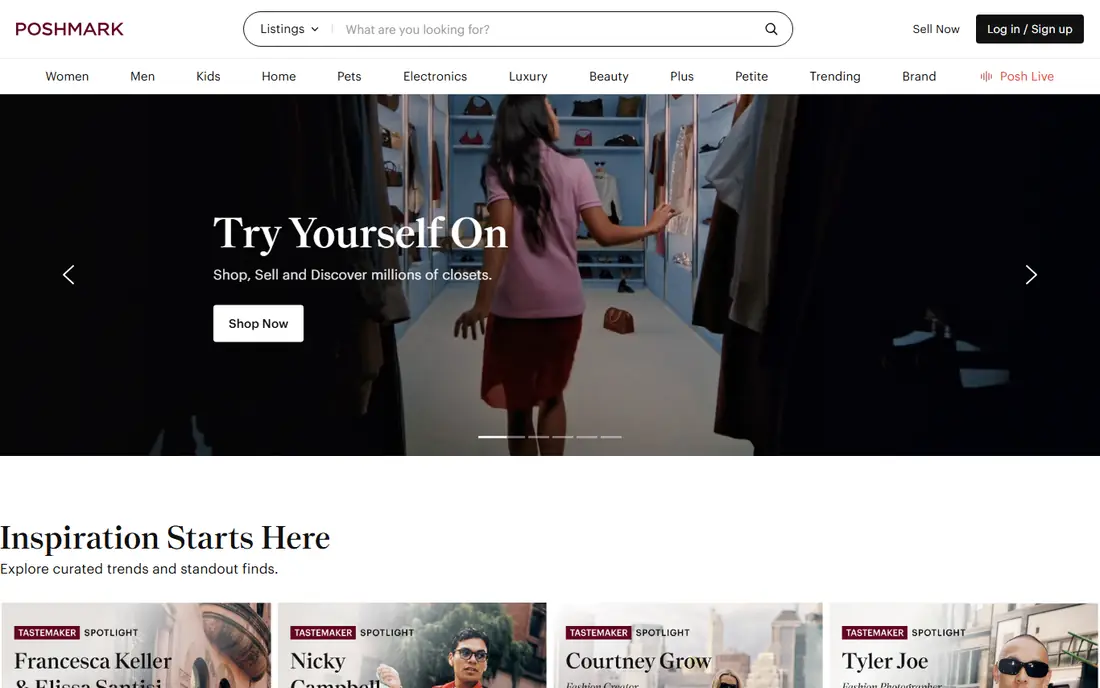
Poshmark remains the largest fashion resale marketplace in the US, and its social features help sellers who share listings, join Posh Parties and build a following. For branded women's clothing, activewear and designer pieces, Poshmark offers a buyer base that is already looking for fashion, not just bargains. Listing is free, and the app guides you through photos, pricing and shipping.
The fee is the catch. Poshmark has charged a flat $2.95 on sales under $15 and 20 percent on higher sales in past listings, which is steep for low priced items. That fee buys visibility and a prepaid label system, but it means a $50 sale leaves you with $40 before other costs. Price with the fee in mind, and use Poshmark for items where its audience justifies the cut.
- Large fashion focused buyer base
- Prepaid shipping label for the buyer to pay in past listings
- Social sharing drives visibility
- High seller fee at 20 percent for sales over $15 in past listings
- Flat $2.95 fee on low value sales
- Sharing takes time to build sales
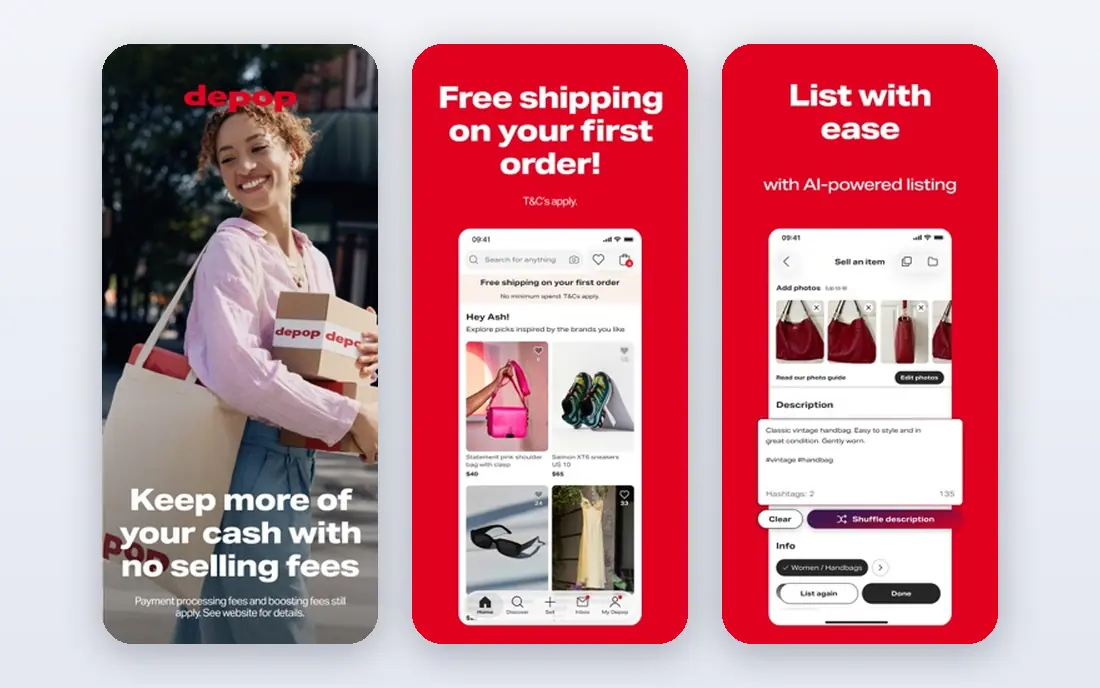
Depop is the pick for vintage, Y2K, streetwear and indie fashion. Its buyers are trend driven and willing to pay for a good find, and its feed style layout rewards strong photos and a clear shop identity. In current US listings, Depop charges no seller commission, with only payment processing of 3.3 percent plus $0.45 per transaction, which makes it far cheaper than Poshmark for the same sale.
That low fee does not mean effortless sales. Depop shops that sell well style photos, write clear descriptions and engage with buyers, and boosting listings adds a separate fee if you opt in. If your clothes are vintage or streetwear, Depop should be your first listing. If they are everyday basics, Vinted or Mercari may sell faster.
- Strong Gen Z audience for vintage and streetwear
- No seller commission for US sellers in current listings
- Payment processing only
- Payment processing fee of 3.3 percent plus $0.45 applies
- Boosting is an extra cost
- Selling takes styling and social effort
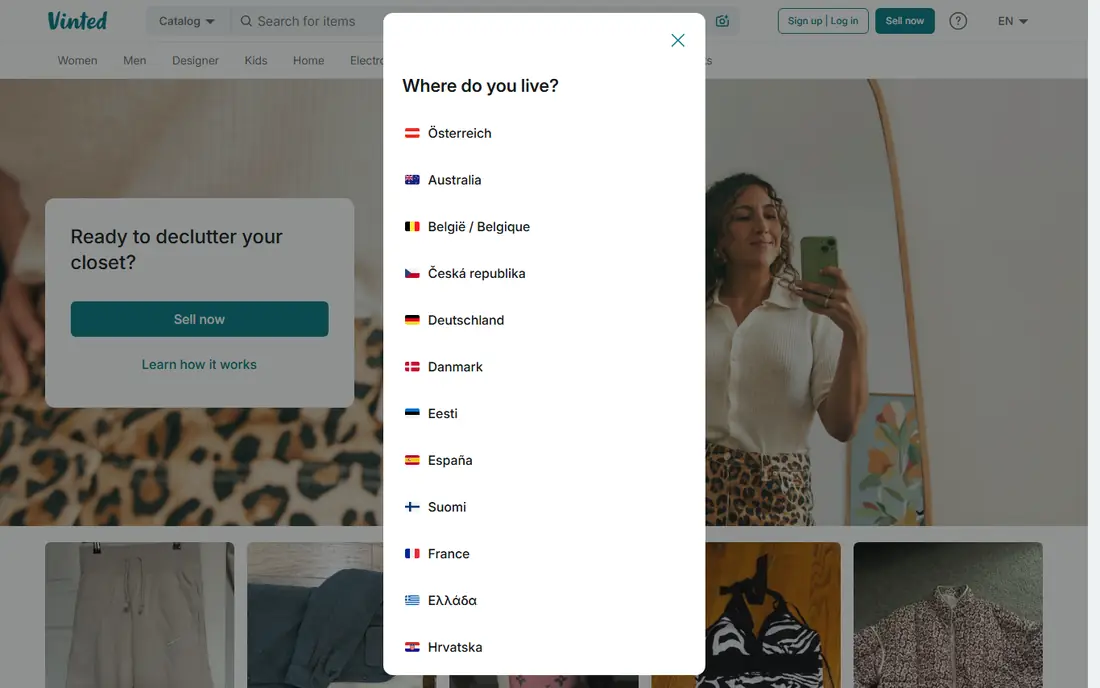
Vinted is the cheapest way to sell everyday clothes, because standard sales carry no seller fee, with buyers paying shipping and a protection fee at checkout. For a closet cleanout of basics, kids clothes and mid priced brands, Vinted lets you keep the full sale price, which is a clear advantage over fee heavy marketplaces.
The trade off is price level. Vinted buyers expect bargains, so designer pieces may sell slowly or below the price they fetch on Poshmark or Vestiaire. Follow Vinted's shipping and confirmation steps carefully, because seller protection depends on using its system. For volume selling of everyday items, Vinted is hard to beat on take home pay.
- No seller fees on standard sales in past listings
- Buyers pay shipping and protection fees
- Simple listing flow
- Buyer base is price sensitive, so high prices sell slowly
- Seller protection depends on following the process
- Less suited to luxury
Mercari suits sellers who want one app for clothes plus other household items. Listing is quick, the buyer base is broad, and prepaid labels simplify shipping. For athletic wear, general clothing and mixed lots, Mercari gives you reach without the fashion only focus of Poshmark or Depop.
Fees and haggling are the downsides. Mercari has charged around 10 percent in past listings, plus payment processing in some structures, so check the current fee before listing. Buyers also expect offers, so price a little above your minimum if you are open to negotiation. For a general cleanout, Mercari is a practical all rounder.
- Simple listing for clothes and general goods
- Broad deal seeking buyer base
- Prepaid labels available
- Seller fee around 10 percent in past listings
- Clothing competes with all other categories
- Offers and haggling are common
ThredUp is for sellers who value time over payout. You order a cleanout bag, fill it with quality branded clothes, send it in, and ThredUp photographs, lists and ships items for you. That hands off model suits a large closet cleanout where listing fifty items yourself would take a weekend.
The payout is the trade off. ThredUp keeps a large share, with a bag fee in past listings and a payout that depends on brand, condition and sale price, so many items return only a small amount. Items that do not meet its standards may be recycled or returned. Use ThredUp when you want clothes gone with minimal work, not when you want the maximum price for a few good pieces.
- Send a bag and ThredUp lists and ships for you
- Good for large cleanouts
- Sustainable resale story for buyers
- Payout share is low, with ThredUp keeping a large share
- Bag fee applies in past listings
- Many items may not be accepted or may sell slowly
eBay is the best choice for rare, vintage and collectible clothing that needs a global audience. Auctions can drive up prices for sought after items, while fixed price listings suit steady sellers. Its buyer base is far larger than any fashion only app, which helps for niche sizes, eras and brands.
Effort and fees are higher than on Vinted or Depop. eBay has charged around 13.6 percent plus a per order fee in past listings, and you handle photos, descriptions, shipping choices and returns yourself. For everyday basics, a fashion app will be simpler. For a rare jacket, a designer piece or a vintage collection, eBay's reach is worth the work.
- Huge global buyer base
- Auction and fixed price options
- Strong for vintage, designer and rare items
- Final value fee around 13.6 percent plus per order fee in past listings
- Seller effort for photos, shipping and returns
- Competition is intense
Vestiaire Collective is the specialist for designer and luxury clothing, shoes and accessories. Its buyers expect authenticated, well described luxury items, and its authentication process gives buyers confidence that justifies higher prices than a general marketplace. For a designer bag, coat or pair of shoes, Vestiaire often beats a general app on final price.
The process is slower. Commission is around 15 percent in past listings, authentication adds steps and time, and everyday clothes will not find the right audience here. Do not list basics on Vestiaire. For luxury pieces where trust and audience matter more than speed, it is a strong pick.
- Luxury focused buyers
- Authentication for many items
- Global reach for designer pieces
- Commission around 15 percent in past listings
- Authentication and shipping steps take time
- Not suited to everyday clothes
Facebook Marketplace is best for local, fast sales, especially bundles, kids clothes and lots that are costly to ship. Local pickup sales carry no Marketplace fee, and the audience is huge, because many buyers already use Facebook daily. For a quick cleanout in your area, Marketplace can move items faster than a shipped marketplace.
Safety and reliability need care. Meet in a public place, bring someone if possible, and avoid sharing home details. Shipped sales carry a fee and need careful packaging, and buyers can cancel or haggle. For single high value fashion items, a fashion app gives better protection. For local bundles, Marketplace is practical and cheap.
- No fee for local pickup sales
- Huge local audience
- Good for bundles, kids clothes and bulky lots
- Shipped sales carry a fee
- Local meetups need safety planning
- Buyers may haggle and cancel
How we picked these
We compared official fee pages, shipping models, payout timing and audience fit, and we favored apps that are operating now and that state fees in plain terms. We did not claim hands on selling, and we treated fees as past listings where vendors have changed them recently, because Depop, Mercari and Poshmark have all changed fee structures in the last two years.
We also excluded apps that have closed, such as Kidizen, which shut down in November 2024, because listing a closed app would waste a seller's time. A good resale list must reflect what works today, not what worked two years ago.
What to check before you list
Do the fee math on your price
Take your planned sale price, subtract the seller fee, payment processing and any shipping cost you pay, and see what remains. A $50 item keeps $50 on Vinted, about $48 on Depop after processing, $45 on Mercari at 10 percent, and $40 on Poshmark at 20 percent, using past fee structures. That gap matters more as volume grows.
Photograph and measure honestly
Use natural light, a plain background and photos of front, back, labels, flaws and fabric details. Measure key items such as length, waist and pit to pit for tops, and state the size, brand, condition and any wear. Honest listings reduce returns, disputes and bad reviews, and they sell faster than perfect looking listings that hide flaws.
Choose shipping that protects you
Prepaid labels from the marketplace simplify shipping and usually include tracking, which protects you if a buyer claims non delivery. If you ship yourself, use tracked shipping, pack clothes cleanly, and keep the tracking receipt until payout is confirmed. Never ship before payment is confirmed in the app.
Price for offers and fees
Many buyers will offer below your listed price, especially on Mercari, Depop and Marketplace. Set a price that leaves room for a small offer while still covering fees, and decide your minimum before you list. For luxury items, check sold prices for the same item, not just listed prices, because listed prices often sit unsold.
Frequently asked questions
What is the best app to sell used clothes overall?
Poshmark suits branded fashion, Depop suits vintage and streetwear, and Vinted suits everyday clothes with no seller fee. The best app depends on what you are selling, so list fashion on Poshmark or Depop, basics on Vinted, and rare items on eBay.
What app has the lowest seller fees?
Vinted has no seller fee on standard sales in past listings, with buyers paying shipping and protection fees. Depop charges only payment processing for US sellers in current listings, which is also low. Poshmark and eBay charge higher percentages, so check current fees before listing.
Is ThredUp worth it for selling clothes?
ThredUp is worth it if you want minimal effort for a large cleanout and accept a low payout share. It is not worth it if you want the maximum price for a few good pieces, because listing those pieces yourself on Poshmark, Depop or Vinted will usually pay more.
How do I get paid on these apps?
Most apps release payout after delivery and a buyer confirmation period, by direct deposit or in app balance. Timing varies from a few days to over a week, depending on the app and the shipping method. Check payout timing and minimums in the app before you list a large batch.
Should I sell on more than one app?
Yes, for different item types, but do not list the same single item on several apps at once, because it can sell twice. List each item on the app best suited to it, and cross list only if you can remove it quickly from other apps once it sells.
How can I avoid scams when selling clothes?
Use in app payment and shipping, never accept payment outside the app, and be wary of buyers who ask to move to email or messaging apps. Ship only after payment is confirmed, use tracked shipping, and keep photos and messages in the app as evidence if a dispute arises.
Sources we checked (8)

Online Jobs is an independent blog about careers, online work, learning new skills and the tools that help people earn. More about us.
Keep reading
All posts
Best Shopping Apps
Looking for the best shopping apps in 2026? We compare 9 leading apps for everyday shopping, groceries, deals, shared lists, delivery and secondhand finds.

Best Receipt Rewards App
Best receipt rewards app in 2026: we compare 8 apps that pay you for scanning receipts, with cash-out minimums, payout options and honest earning notes.

Best Grocery Delivery Service
Looking for the best grocery delivery service? We compare Instacart, Walmart, Amazon Fresh, Shipt and more on fees, prices, speed and store choice today.