Best Shopping Apps in 2026: 9 Apps Compared

How we put this together: we compare official feature and pricing pages, app store listings, privacy policies and public user reviews. Prices change, so check the provider's site before you pay.
Key takeaways
- Amazon and Walmart cover the widest range of everyday shopping, while Target stands out for style, home goods and store pickup.
- eBay and Etsy are the stronger choices when the item is used, vintage, handmade or hard to find in a regular store.
- Instacart and AnyList solve different grocery problems, with Instacart handling delivery and AnyList handling shared lists and recipes.
- Rakuten is worth adding if you already shop at major retailers, because it can return cash back on purchases you were going to make anyway.
- Temu can be cheap, but delivery times and return rules deserve a closer look before you order anything urgent.
Quick comparison
| Name | Who it suits | Starting price | Free option | |
|---|---|---|---|---|
 Amazon Shopping | Widest everyday range | Free | Yes | Visit |
 Walmart | Groceries and pickup | Free | Yes | Visit |
 Target | Style and store deals | Free | Yes | Visit |
 eBay | Auctions and secondhand | Free | Yes | Visit |
 Etsy | Handmade and vintage | Free | Yes | Visit |
 Instacart | Grocery delivery | Free | Yes | Visit |
 AnyList | Shared shopping lists | Free | Yes | Visit |
 Rakuten | Cash back on shopping | Free | Yes | Visit |
 Temu | Low-priced discovery | Free | Yes | Visit |
The best shopping apps
Shopping apps now cover very different jobs, from a weekly grocery run to a search for a rare secondhand item. The nine apps below were chosen for range, availability, delivery options and how easy they are to use for regular shopping.
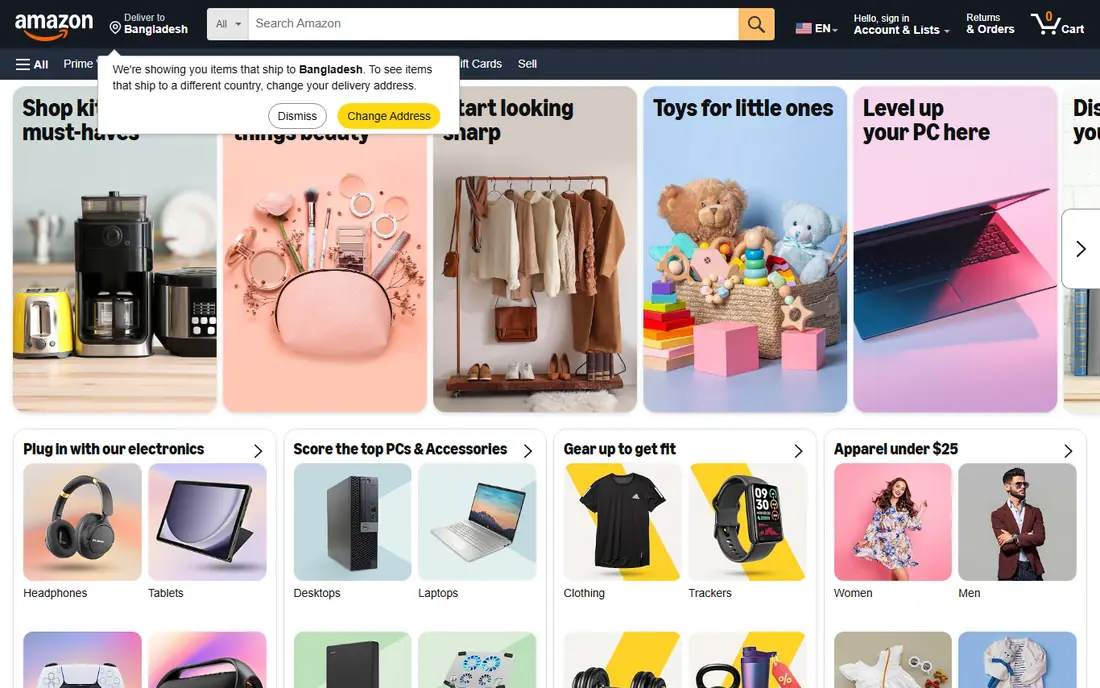
Amazon Shopping works best as a default app for household goods, electronics, books and many everyday items. Search, filters and customer reviews make it easier to compare similar products, and order tracking is clear once an item ships. The app also stores payment methods, addresses and past orders, which shortens repeat purchases.
The catch is that a large marketplace brings uneven quality. Two listings can look alike while coming from very different sellers, so checking seller details, return terms and delivery estimates matters. Prime membership adds delivery and other benefits, but it is an extra cost and it is not needed to use the app for ordinary shopping. Start with small orders if you are buying from an unfamiliar seller.
- Very large product range
- Fast delivery options in many areas
- Saved lists, orders and returns in one place
- Product quality varies by seller
- Delivery speed and fees depend on location and membership
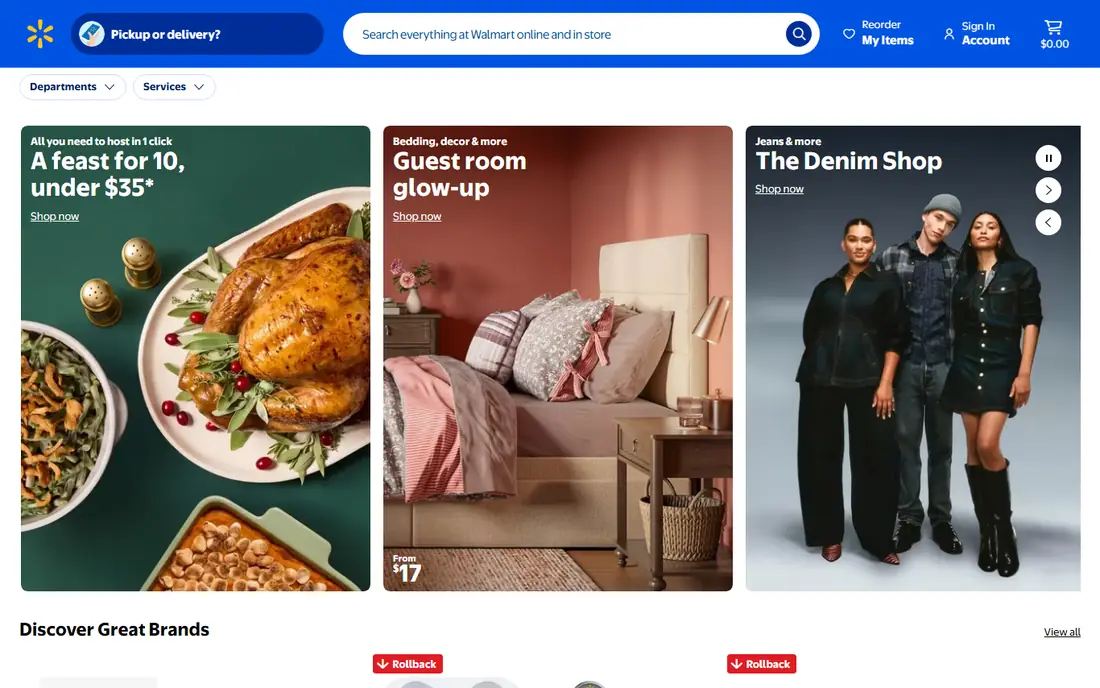
Walmart fits shoppers who want groceries, cleaning products, pharmacy items and general goods in one order. The app makes it simple to switch between delivery and pickup, and it is useful for checking whether a nearby store has an item before a trip. Weekly grocery shopping is where it feels most practical.
The main limit is cost structure. Delivery without a paid membership can add fees, and some orders need a minimum amount. Product range also varies by location, so a rural store may not match a large city store. Even with those limits, Walmart is a strong choice for regular household shopping rather than specialist or luxury purchases.
- Strong grocery and household range
- Pickup and delivery options
- Clear in-store availability in many areas
- Delivery fees and minimums can apply without membership
- App experience varies by store
Target suits shoppers who care about home style, clothing, beauty and seasonal goods alongside everyday items. Its own brands give the store a distinct feel, and the app brings deals, saved items and pickup options together in a clear layout. For a combined trip that mixes clothes, home goods and a few groceries, it works well.
The catch is that Target is not a full replacement for a large supermarket in every area. Fresh food choice can be narrower, and the best prices often sit behind Circle offers. If you shop there often, checking the app before you go is worth the minute it takes. If you rarely visit, the loyalty features matter less.
- Strong own-brand style and home ranges
- Circle deals and rewards
- Pickup and same-day delivery in many areas
- Grocery range is smaller than a full supermarket
- Some deals require the loyalty programme
eBay remains the first place to look for used, refurbished, vintage and discontinued items. The mix of auctions and Buy It Now listings means you can either hunt for a bargain or pay a set price and move on. Saved searches and alerts help when you are waiting for a specific model or item to appear.
Condition is the risk to manage. Photos and descriptions vary, and some sellers are far more careful than others. Reading the full listing, checking seller feedback and confirming return terms before bidding will save trouble later. For new everyday goods, a regular retailer is often simpler, but for rare finds eBay has few rivals.
- Huge secondhand and collectible range
- Auction and fixed-price buying
- Buyer protection on many purchases
- Condition varies by seller
- Shipping costs and times differ widely
Etsy fits shoppers who want something personal, custom or hard to find on a high street. Personalised gifts, handmade home goods, craft supplies and vintage pieces are its core strengths. Messaging a seller before ordering can clarify sizing, materials and timing, which matters for custom work.
The honest catch is patience. A made-to-order item will not arrive as fast as a warehouse product, and return rules depend on the seller. Prices also reflect small-batch work, so direct comparison with mass-produced goods is not always fair. When the item itself matters more than speed, Etsy is worth the wait.
- Distinct handmade, custom and vintage items
- Direct contact with sellers
- Strong gift options
- Many items are made to order, so delivery can be slow
- Prices vary widely for similar items
Instacart is the most flexible grocery delivery app for shoppers who use more than one store. It covers supermarkets, pharmacies, pet stores and other local retailers in many areas, and shoppers can message about replacements while an order is being picked. That live contact reduces the frustration of missing items.
Cost is the main drawback. Fees, tips and possible price differences mean a delivery shop usually costs more than the same basket in store. A membership can reduce delivery fees for frequent users, but it only pays off if you order often. For a busy week, a large shop or a time without transport, the convenience can still be worth it.
- Many retailers in one app
- Same-day delivery in many areas
- Replacement choices during shopping
- Service fees, delivery fees and tips add up
- Some prices differ from in-store prices
AnyList solves a smaller but common problem, which is keeping a household shopping list in sync. Family members can add items from different phones, and the list stays organised rather than turning into a long, random note. Recipe import is useful for planning meals and turning a recipe into a list without retyping ingredients.
The limit is clear from the start. AnyList is a list app, not a store, so you still need a retailer or delivery app to buy the items. The free version covers basic shared lists well, while more advanced recipe and list features sit behind a paid plan. If your main problem is forgotten items and duplicated trips, it is a strong, focused choice.
- Shared lists update across devices
- Recipe import and meal planning
- Tidy organisation by store aisle
- It does not sell or deliver groceries itself
- Some features need a paid plan
Rakuten works best as a companion app rather than a store. You start a shopping trip through Rakuten, complete the purchase at the retailer, and earn cash back on eligible items. For shoppers who already buy from large retailers, it adds value without changing where they shop. The app also highlights current cash back rates, which helps with timing larger purchases.
The catch is that not every purchase qualifies, and rates move often. Gift cards, some sale items and certain categories may be excluded, so the advertised rate is not a promise for every basket. It also pays to compare the final price, because a cash back offer does not always beat a direct discount elsewhere. Used with that check in place, it is a useful extra.
- Cash back at many major retailers
- Browser and app tracking
- Simple payout options
- Cash back only applies at participating stores
- Rates change and some purchases are excluded
Temu appeals to bargain hunters who enjoy browsing for low-priced gadgets, home items and accessories. The range is broad, and promotions can make small items feel almost free. For non-urgent purchases where exact quality matters less, it can be a fun place to look.
The honest catch is consistency. Quality, sizing and delivery times vary, and product photos do not always tell the full story. Reading reviews, checking measurements and avoiding urgent or safety-critical purchases is sensible. Temu is best treated as a discovery app for low-cost items, not as a replacement for a trusted retailer when reliability matters.
- Very low prices on many goods
- Wide range of gadgets, home and fashion items
- Frequent promotions
- Delivery can be slow
- Quality varies
- Returns and sizing need careful checking
How we picked these
We compared official app store listings, retailer feature pages, delivery and pickup information, pricing pages and public user reviews. We favoured apps with wide availability, clear return and delivery information, and a distinct job, rather than listing every shopping app with a similar catalogue. Where a price, fee or membership detail varies by location, we marked it as See website in the comparison or described the variation in the write-up instead of stating a single figure as if it applied everywhere.
Choosing the right shopping app for your habits
Start with how you actually shop. If most orders are household goods and groceries, a large retailer app with pickup or delivery will cover more ground than a niche marketplace. If you buy secondhand, vintage or handmade goods, eBay and Etsy deserve a place on your phone even if you use them less often. A list app such as AnyList only helps if more than one person shops for the household, while a cash back app only helps if you remember to start the trip through it.
Check delivery, returns and total cost
The headline price is rarely the full cost. Add delivery fees, service fees, tips and possible membership costs before comparing two apps. Return rules matter just as much, especially for clothing, electronics and items from marketplace sellers. A cheap item with a difficult return can cost more in time and frustration than a slightly dearer item from a retailer with a clear policy.
Keep the number of apps small
Three or four well-used apps usually beat ten half-used ones. Pick one main everyday retailer, one grocery option if you need delivery, and one specialist app for the kind of shopping you do most outside that. Remove apps that duplicate the same job, and revisit the choice when your habits change, for example after a move or a change in household size.
Frequently asked questions
Which online app is best for shopping?
There is no single winner for every shopper. Amazon and Walmart cover the widest everyday range, Target suits style and home goods, and eBay or Etsy suit used, vintage and handmade items. The best choice depends on what you buy most, how fast you need it, and whether pickup or delivery matters more than price alone.
What is the best shopping app for groceries?
Instacart is the strongest choice for delivery across many stores, while Walmart and Target work well if you prefer pickup or a single retailer. AnyList is not a store, but it is useful for shared lists and meal planning. Compare delivery fees and minimums, because those can change which option is cheapest for a regular weekly shop.
What is the best grocery shopping list app?
AnyList is our pick for shared grocery lists, thanks to live syncing, recipe import and aisle organisation. It works best for households where more than one person adds items. If you shop alone and only need a simple list, a notes app may be enough, and the extra features may not justify a paid plan.
Is Temu safe to buy from?
Temu is a large marketplace, but safety depends on the seller and the item. Check reviews, read the listing carefully, confirm return terms and avoid safety-critical or urgent purchases. Use a payment method with buyer protection, and keep expectations realistic for very low-priced goods.
Can I get cash back with a shopping app?
Yes, Rakuten offers cash back at participating retailers when you start the purchase through its app or browser extension. Rates and eligible categories change, and some purchases are excluded. Always compare the final price with other retailers, because cash back does not always beat a direct discount.
Do shopping apps cost money to use?
Most shopping apps are free to download and use, and you pay for the products plus any delivery, service or membership fees. Paid memberships can reduce delivery fees or add benefits, but they only save money if you order often enough. Check the fee breakdown at checkout before assuming a membership is worth it.
Sources we checked (9)

Online Jobs is an independent blog about careers, online work, learning new skills and the tools that help people earn. More about us.
Keep reading
All posts
Best Grocery Delivery Service
Looking for the best grocery delivery service? We compare Instacart, Walmart, Amazon Fresh, Shipt and more on fees, prices, speed and store choice today.

Zoom Alternatives
Zoom alternatives compared for 2026: Google Meet, Microsoft Teams, Webex, Jitsi and more for free calls, large meetings and webinars for teams and classrooms.
Top Rated Poster Maker Software
Top rated poster maker software compared for 2026: Canva, Adobe Express, VistaCreate, PosterMyWall and more for events, sales and classrooms for US users.