Best App for Selling Clothes in 2026: 8 Apps Compared

How we put this together: we compare official feature and pricing pages, app store listings, privacy policies and public user reviews. Prices change, so check the provider's site before you pay.
Key takeaways
- The best app for selling clothes depends on what you sell: Vinted and Depop keep the most from a sale, Poshmark suits fashion brands, and eBay suits volume.
- Fees are the biggest difference between apps, ranging from no seller fee on Vinted to 20 percent on Poshmark for larger sales, so check the fee before you price.
- Prepaid labels, buyer protection, and local pickup each change the effort and risk of a sale, so pick the shipping model that fits your time.
- List on two apps when you can, but delist promptly when an item sells, because a double sale is the fastest way to lose a good rating.
Quick comparison
| Name | Who it suits | Starting price | Free option | |
|---|---|---|---|---|
 Vinted | No seller fee selling | Free to list | Yes | Visit |
 Depop | Vintage and streetwear | Free to list | Yes | Visit |
 Poshmark | Fashion and social selling | Free to list | Yes | Visit |
 Mercari | Easy everyday selling | Free to list | Yes | Visit |
 eBay | Volume and global reach | Free to list | Yes | Visit |
 Facebook Marketplace | Local sales and bundles | Free to list | Yes | Visit |
 thredUP | Hands off cleanouts | Free to list | Yes | Visit |
 Grailed | Mens designer and streetwear | Free to list | Yes | Visit |
The best apps for selling clothes
Selling clothes online is less about the app and more about fees, audience, and effort. A vintage jacket, a designer bag, and a bag of everyday kids clothes each sell best in a different place, and the fee you pay can change your profit by more than the sale price difference. The eight apps below cover the main resale models: peer to peer, social selling, consignment, and local pickup. All are free to list, and all charge in a different way when an item sells.
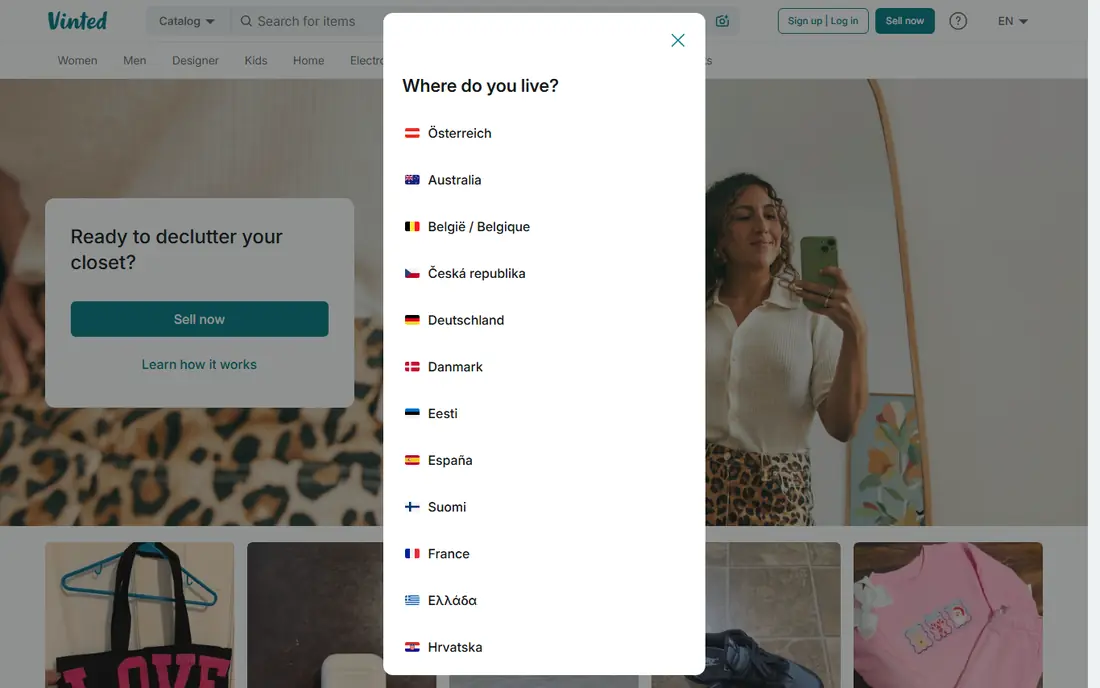
Vinted is the best selling clothes app for casual sellers who want to keep the full listed price, because sellers pay no selling fee and buyers pay a protection fee instead. That model makes it ideal for clearing out everyday clothes, fast fashion, and kids items where margins are thin and a 20 percent fee would wipe out the profit. Listing is simple, with photos, size, brand, and condition, and built in shipping labels keep the process straightforward.
The trade off is protection and audience. Vinted buyer protection can feel buyer focused in a dispute, and the app is less strong for high end luxury than a consignment service that authenticates items. Prices also tend to be lower, because many buyers expect a bargain. For volume clearouts and everyday clothes, though, keeping the full price beats a higher list price on a high fee app.
- No seller fees
- Buyer pays protection fee
- Simple listing flow
- Buyer focused protection can favor buyers in disputes
- Less strong for luxury
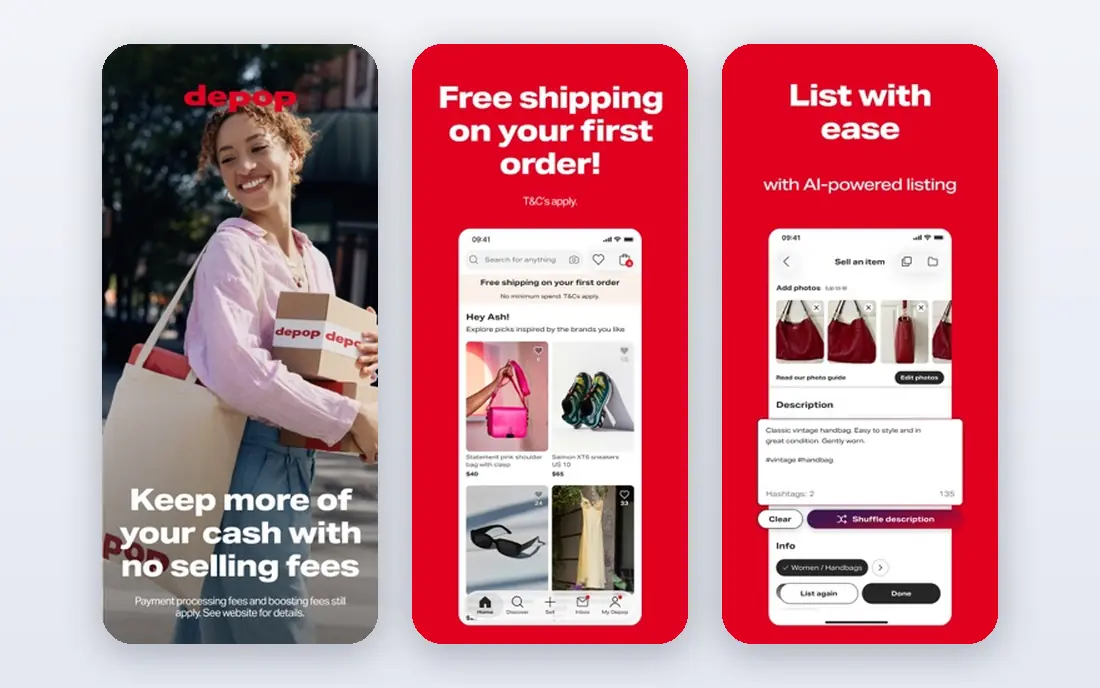
Depop is the best app for selling vintage, Y2K, and streetwear clothes, because its audience shops for style and discovery, not just for a bargain. US sellers pay only payment processing in many listings, which keeps more of the sale than most rivals, and shop style profiles let a seller build a following around a look. That community feel suits sellers who enjoy styling, photography, and curating a shop.
The catch is effort. Good photos and styling matter more on Depop than on a simple listing app, and sellers often arrange shipping themselves rather than using a prepaid label for every order. That extra work pays off for vintage and streetwear, where a good photo can double the price, but it is less efficient for a quick closet clearout. If you sell vintage, Depop should be your first listing, not an afterthought.
- Low cost for US sellers
- Strong Gen Z and vintage audience
- Shop style profiles
- Seller arranges shipping in many cases
- Photography and styling matter more
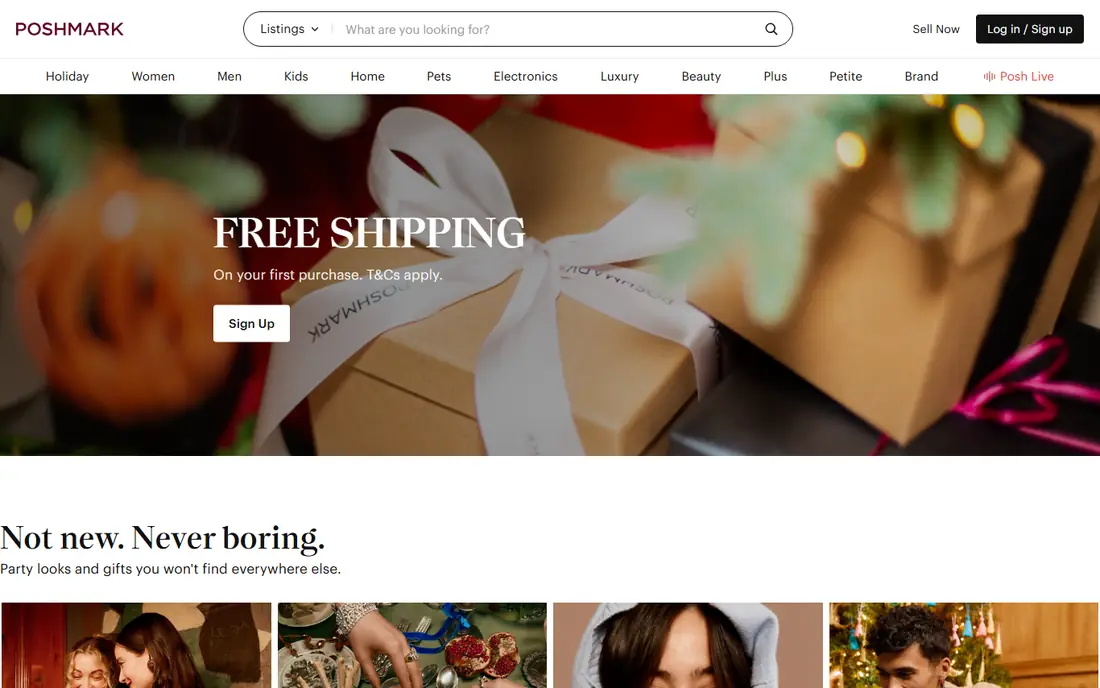
Poshmark is the best app for selling brand name fashion, activewear, and designer items to a fashion focused audience, because its social features, sharing, and following help listings get seen. Every order includes a prepaid shipping label, which removes the guesswork from postage and packaging, and the app handles payment and buyer protection in a clear way. For sellers with Lululemon, Nike, and contemporary brands, Poshmark often achieves higher prices than a general marketplace.
The fee is the honest drawback. Poshmark takes 20 percent on sales of $15 or more, and a flat $2.95 on smaller sales, which is the highest fee on this list for larger items. Social sharing also takes time if you want maximum visibility, although many sellers automate or batch that work. If your items are brand name and fashion led, the higher price often offsets the fee. If they are everyday basics, Vinted or Depop will keep more of the sale.
- Large fashion audience
- Prepaid shipping label on every order
- Social sharing drives discovery
- 20 percent fee on sales of $15 or more
- Social activity takes time
Mercari is the easiest app for selling clothes if you do not want social features, styling, or a shop profile, because listing takes minutes and the app handles shipping labels and payment. It suits everyday clothing, athletic wear, and mixed inventory, including clothes alongside other household items, which makes it a good single app for a general clearout. The audience is broad, so everyday brands sell steadily even without a fashion following.
The limit is fee clarity and community. Mercari fee structure has changed in recent years, with buyers paying service fees in some models and sellers paying in others, so check the current fee in the app before you price. Mercari also has less of a fashion community than Poshmark or Depop, so vintage and designer items may sell for less here. For speed and simplicity, though, Mercari is hard to beat for a first time seller.
- Very easy listing flow
- Prepaid labels
- Broad general audience
- Fee structure has changed over time
- Less fashion community than Poshmark or Depop
eBay is the best selling platform for clothes if you sell in volume, sell branded or mens clothing, or want global reach beyond a fashion app audience. Auction and fixed price options give flexibility, and the buyer pool is far larger than any single fashion app, which helps for rare sizes, vintage brands, and collectible streetwear. eBay also offers seller tools for bulk listing, which matter when you list dozens of items a week.
The trade off is work and fees. eBay charges a final value fee plus a per order fee in most categories, and sellers usually arrange shipping themselves, which adds time and cost decisions. Listing quality, measurements, and photos matter more here than on a simple app, because buyers compare many similar items. For a professional or high volume seller, eBay is the workhorse. For a casual seller with ten items, a simpler app may be faster.
- Largest buyer reach
- Auction and fixed price options
- Strong for branded and mens clothing
- Seller fee plus payment fee
- Seller arranges shipping
- More work for each listing
Facebook Marketplace is the best app for selling clothes locally, especially bundles, kids clothes, and bulky lots that are expensive to ship. Local pickup sales carry no selling fee, and the audience is huge, because many buyers already use Facebook daily. It is also a good place to sell a whole lot at once, such as a bag of kids clothes in one size, rather than listing each piece separately.
The limits are discovery and safety. Marketplace is less of a fashion discovery app than Poshmark or Depop, so a single designer piece may sell for less here than on a fashion platform. Shipped sales carry a selling fee, and local meetups take time and need sensible safety habits, such as meeting in a public place. For local bundles and quick cash sales, Marketplace is the simplest and cheapest option.
- No fee for local pickup sales
- Huge local audience
- Good for bundles and bulky items
- Shipped sales carry a fee
- Less fashion discovery
- Meeting buyers takes time
thredUP is the best resale app for clothes if you do not want to list anything yourself, because you order a clean out bag, fill it, send it, and thredUP photographs, lists, and ships the items. That hands off model suits a busy household clearing out a closet, a kids wardrobe, or a whole season of clothes at once. It also suits sellers who dislike haggling, shipping, and customer messages.
The payout is the honest catch. thredUP pays a percentage of the sale price, and that percentage is low for everyday items, so many pieces earn only a small amount. You also give up control over pricing and timing, and some items may not be accepted. If your goal is maximum profit per item, list yourself on Vinted or Poshmark. If your goal is to clear a closet with no effort, thredUP is the right trade.
- No listing or shipping work
- Send a bag and thredUP handles the rest
- Good for bulk cleanouts
- Payout is a small percentage of sale price
- Many everyday items earn little
- Less control over pricing
Grailed is the best app for selling mens designer clothing, streetwear, and sneakers, because its audience shops specifically for those categories and understands brands, sizing, and condition. That focused intent often means higher prices for the right items than on a general marketplace, and the curated feel helps a seller with a strong menswear collection stand out. Grailed also handles payment and offers buyer protection for both sides.
The limit is scope. Grailed is not a general clothes app, so womens everyday clothing, kids clothes, and fast fashion will sell better elsewhere. Fees plus payment processing also apply, so check the current rate before pricing. For a seller with mens designer and streetwear inventory, Grailed should be a first listing alongside Depop and eBay, not a replacement for them.
- Curated mens designer audience
- Strong for streetwear and sneakers
- Buyer intent is high
- Narrower audience than general apps
- Fees plus payment processing
- Less suited to womens everyday clothes
How we picked these
We compared official fee pages, app store listings, and public resale comparisons for apps that US sellers can use today to sell clothes peer to peer, by consignment, or locally. We favored apps with a clear seller fee, a real buyer audience for clothing, and a shipping or pickup model that could be stated honestly. Fees change, so we advise checking the fee screen in the app at listing time, because a fee that was 10 percent last year may not be the same today.
How to price and list clothes that actually sell
Start with sold listings, not asking prices. Search the same brand, size, and condition on the app you plan to use, filter to sold items, and price near the middle of recent sales, not near the highest listing. Good photos matter more than a long description: natural light, a clean background, front and back views, close ups of labels and flaws, and a photo of the item worn or on a hanger if that helps show fit.
Write listings buyers trust
Include brand, size, measurements, color, material if you know it, condition, and any flaws, because buyers who trust a listing buy faster and return less. State whether the item comes from a smoke free or pet free home if that is true, and be honest about wear, stains, and repairs. A listing that hides a flaw will cost you a return and a bad rating, while a listing that names it will often still sell at a fair price.
Manage fees, shipping, and time
Price with the fee in mind: subtract the app fee, payment processing, and shipping cost from your target profit before you list, not after a sale. Use prepaid labels where they are offered to save time, weigh items before listing if you arrange shipping yourself, and keep packaging materials ready so a sale ships the same day. Fast shipping and polite messages earn repeat buyers, and repeat buyers are the cheapest audience you will ever have.
Frequently asked questions
What app is best for selling clothes for beginners?
For beginners, Mercari and Vinted are the easiest apps for selling clothes, because both have simple listing flows and no social selling requirement. Vinted keeps the most from a sale, because sellers pay no fee, while Mercari is slightly more general and handles shipping labels well. Start with one of those two, list ten items well, and add a second app once you know your pace.
Which clothes selling app is best for vintage clothes?
For vintage clothes, Depop is the best app for selling clothes, because its audience shops for vintage style and discovery, and its shop profiles reward curation. Grailed is the better pick for mens vintage streetwear and designer pieces, while Etsy suits vintage clothing that is at least 20 years old and handmade or reworked. List vintage on Depop first, then cross list to eBay for reach.
What app is best for selling used clothes quickly?
For speed, Facebook Marketplace for local bundles and Mercari for shipped everyday items tend to move fastest, because both have huge audiences and simple buying flows. Price slightly below recent sold listings, offer bundles, and ship the same day to keep momentum. Poshmark can also move brand name fashion quickly if you share listings regularly, but it takes more active effort.
Which platform is best for selling clothes with the lowest fees?
Vinted has the lowest seller fees on this list, because sellers pay no selling fee and buyers pay a protection fee. Depop is next for US sellers, with only payment processing in many cases, followed by local pickup on Facebook Marketplace at no fee. Always check the current fee screen, because fee models change, and a low fee app with low prices may still earn less than a higher fee app with higher prices.
Is it better to sell clothes on one app or several?
Selling on several apps increases reach, but it also increases work and the risk of a double sale, so start with one app and add a second only when you can manage inventory carefully. Use a simple spreadsheet or a cross listing tool to track where each item is listed, and delist everywhere the moment an item sells. For most sellers, two apps, such as Vinted plus Poshmark, or Depop plus eBay, is the practical limit.
Sources we checked (8)

Online Jobs is an independent blog about careers, online work, learning new skills and the tools that help people earn. More about us.
Keep reading
All posts
eBay Alternatives
Looking for ebay alternatives? We compared 9 marketplaces for sellers on fees, buyer reach, categories and ease of listing, to help you sell with confidence.

Best Shopping Apps
Looking for the best shopping apps in 2026? We compare 9 leading apps for everyday shopping, groceries, deals, shared lists, delivery and secondhand finds.

Best Receipt Rewards App
Best receipt rewards app in 2026: we compare 8 apps that pay you for scanning receipts, with cash-out minimums, payout options and honest earning notes.