Best Flight Booking App in 2026: 8 Apps Compared

How we put this together: we compare official feature and pricing pages, app store listings, privacy policies and public user reviews. Prices change, so check the provider's site before you pay.
Key takeaways
- Google Flights is the strongest free research tool, with fast calendars, price tracking, and flexible destination search.
- Skyscanner suits flexible travelers, especially when budget airlines and an Everywhere search can change the trip.
- Hopper helps with timing, but its price predictions are forecasts, not guarantees, and booking direct often simplifies changes.
- Expedia earns its place for flight and hotel bundles, while Kayak suits complex trips that mix airlines.
- Always compare the final price, including bags and seat fees, before booking, since the cheapest headline fare is rarely the full cost.
Quick comparison
| Name | Who it suits | Starting price | Free option | |
|---|---|---|---|---|
 Google Flights | Fast fare research | Free | Yes | Visit |
 Skyscanner | Flexible destination search | Free | Yes | Visit |
 Kayak | Complex itineraries | Free | Yes | Visit |
 Hopper | Price predictions | Free | Yes | Visit |
 Expedia | Flight and hotel bundles | Free | Yes | Visit |
 Momondo | Low fare discovery | Free | Yes | Visit |
 Kiwi.com | Mixed airline routes | Free | Yes | Visit |
 CheapOair | Last-minute US flights | Free | Yes | Visit |
The best flight booking apps
We compared official app and site features, search tools, price alerts, and booking options for apps that search, compare, or sell flights in the United States. Most of these apps are free to search, and their income comes from booking fees, advertising, or partner commissions, so the fare you see should always be checked against the airline direct price.
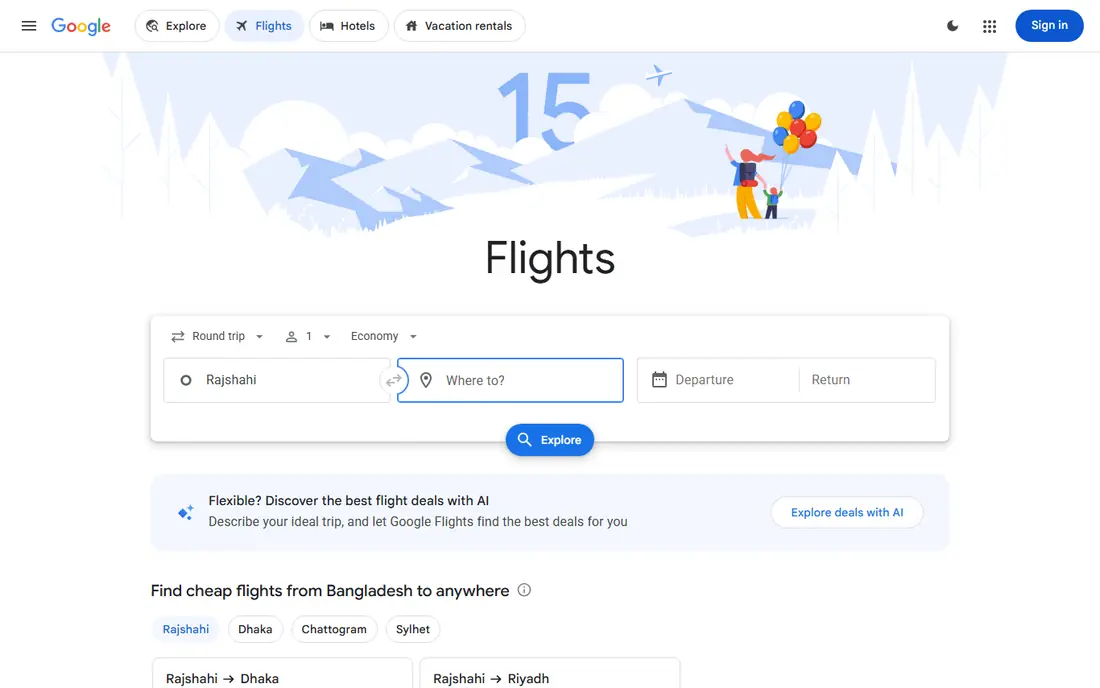
Google Flights is the research desk most travelers should start with. The calendar view shows cheaper days at a glance, the price graph shows how fares move over time, and tracking an exact route sends an alert when the price changes. The Explore map is useful when dates are fixed but the destination is open, since it surfaces cheaper places from your home airport.
The limit is booking. Google Flights often sends you to the airline or to a partner to complete the purchase, and that handoff is where fees and change rules appear. Use Google Flights to find the right flight and price, then check the same flight on the airline site before paying, especially for trips where changes are likely.
- Very fast calendar and price graph
- Price tracking with alerts
- Explore map for flexible destinations
- It is a search tool, not a booking agent for every fare
- Some fares link out to third parties
- Bag and seat fees need separate checking
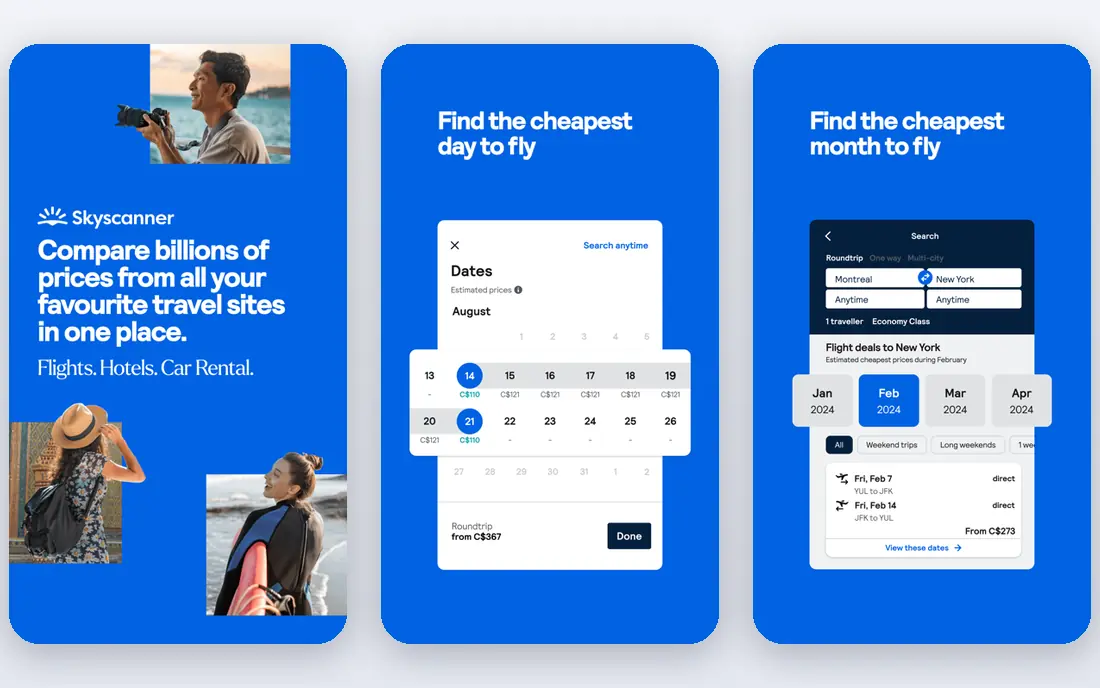
Skyscanner suits travelers who can move dates or destinations to save money. The Everywhere search, whole-month view, and cheapest-month tools make it easy to spot when a small shift cuts the fare, and its coverage of budget airlines helps on routes where larger search tools show fewer options. Multi-city and flexible searches are also straightforward.
The cheapest result is not always the simplest booking. Some low fares combine separate tickets, which means a missed connection may not be protected as one journey. Skyscanner works best as a discovery tool: find the route, check whether it is one ticket or several, then compare booking direct with the partner price.
- Everywhere search for open plans
- Strong budget airline coverage
- Whole-month price views
- Booking often goes through partners
- Cheapest options may involve separate tickets
- Customer service depends on the seller
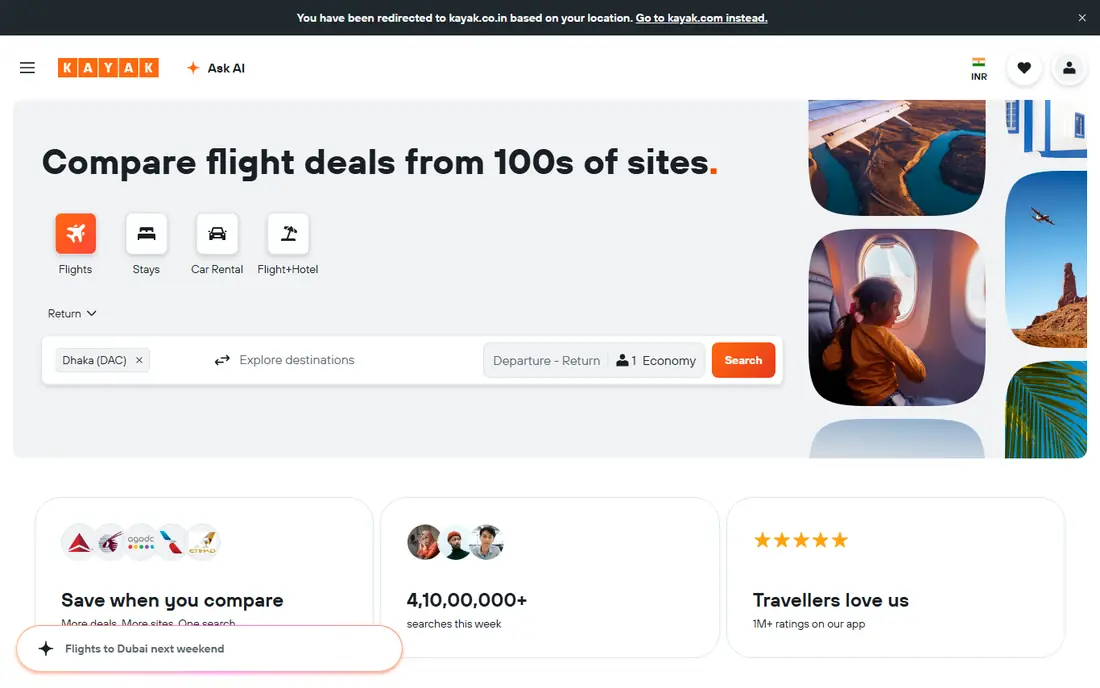
Kayak earns its place for trips that do not fit a simple round trip. Hacker Fares combine two one-way tickets on different airlines to build a cheaper return, and multi-city search handles open-jaw and multi-stop plans that simpler apps struggle with. Price alerts and forecasts help you decide whether to wait or book now.
Mixed tickets carry a trade-off. If one leg changes or cancels, the other airline may not rebook you, and baggage rules can differ between carriers. Kayak suits confident travelers who read the ticket terms, and it is less ideal for a first-time flyer who wants one airline handling the whole journey.
- Hacker Fares that mix airlines for a cheaper round trip
- Price forecasts and alerts
- Strong multi-city search
- Mixed-airline trips can complicate changes
- Some results link to third-party sellers
- Interface has many filters to sort through
Hopper is built around timing. Its predictions analyze fare history and tell you whether to book now or wait, and the calendar view makes that advice easy to act on. Fare freeze, where offered, lets you hold a price while you decide, which helps when travel plans need approval or a second person to confirm.
The honest limit is that no model controls fuel prices, schedule changes, or sudden demand. Use Hopper for timing insight, then book direct with the airline when the price is right, so changes and refunds go through the carrier rather than an intermediary. That approach keeps the prediction benefit without the middleman risk.
- Book-now-or-wait predictions with color-coded calendars
- Fare freeze option on some routes
- Push alerts for price drops
- Predictions are estimates, not promises
- Booking through Hopper adds a middleman
- Add-ons can raise the total
Expedia is less about finding the lowest single fare and more about packaging a trip. Bundling a flight with a hotel or car can beat booking each part separately, and the rewards program adds value for repeat travelers who stay loyal to one platform. Its coverage is broad, and customer support is available around the clock for package bookings.
For flight-only trips, a search-first app usually finds a lower fare, and booking through Expedia means the airline may direct change requests back to Expedia. Expedia suits vacation packages, family trips with a hotel, and travelers who value one booking record for the whole trip over the absolute lowest airfare.
- Flight and hotel packages can save money
- Rewards program for repeat bookings
- Broad airline and hotel coverage
- Flight-only fares are rarely the cheapest
- Changes go through Expedia, not the airline
- Package savings vary by trip
Momondo, part of the same group as Kayak, often surfaces fares that larger tools miss, including smaller online agencies. Its visual calendars and fare insights help budget travelers spot cheap days, and it is a useful second check after Google Flights or Skyscanner when a route looks expensive.
The trade-off is seller variety. A fare from an unfamiliar agency may have different change rules, fees, or support, so read the seller terms before paying. Momondo suits bargain hunters who compare the final total and the seller, not just the headline price, and who are comfortable booking direct when the saving is small.
- Visual price calendars
- Finds fares from smaller sellers
- Useful for budget routes
- Many results come from third-party sellers
- Service quality varies by seller
- Some fares need careful fee checking
Kiwi.com finds routes that traditional search tools do not, by combining airlines that do not normally sell together. That can open up cheaper or faster options on unusual routes, especially in Europe or on multi-stop trips. Its protection options aim to soften the risk when a connection is missed, but coverage depends on the booking type.
Self-transfer trips need caution. You may need to collect bags, recheck in, and pass through security again, and a delay on the first leg can still strand you. Kiwi suits adventurous travelers with long layovers and flexible plans, and it is a poor fit for tight connections, checked bags on separate tickets, or trips where a missed flight would cause serious problems.
- Combines non-partner airlines into one itinerary
- Virtual interlining for unusual routes
- Missed-connection protection on some bookings
- Self-transfer routes carry real risk
- Change rules can be strict
- Support experiences vary widely in reviews
CheapOair focuses on US travelers, including last-minute and group trips, with promotions and fare options that include more flexible tickets. Phone support is a real advantage for travelers who prefer to talk through a complex booking rather than complete it entirely online. Its search covers major airlines and many smaller sellers.
Agency fees and change rules need checking before payment, since the headline fare may not include everything. CheapOair suits travelers who want help by phone, need a last-minute domestic flight, or find a promotion that beats the airline direct price after fees. For simple trips, compare the final total with the airline site first.
- Frequent promotions
- Flexible fare options on many routes
- Phone support for bookings
- Service fees can apply
- Cheapest fares may have strict change rules
- Agency booking adds a layer for changes
How we picked these
We compared official app and site features, search flexibility, price alert tools, and booking routes, favoring apps still widely available in the United States with clear fare displays. We included search-first tools and booking agencies to cover different travel styles, and we noted where a fare comes from a third party or combines separate tickets. Prices for searching are free across this list, while the flight itself, bags, and seat fees vary by airline and route.
What to check before you book a flight
Compare the final total, not the headline fare
Add bags, seat selection, and any agency fee before comparing options. A fare that looks cheapest at first can cost more once a checked bag and a seat are added, especially on budget airlines. Check the same flight on the airline site, since direct prices sometimes match or beat agency fares after fees.
Read the ticket type before you pay
Basic economy, standard economy, and flexible fares differ on changes, refunds, seat choice, and boarding. A nonrefundable basic fare suits a firm plan, while a flexible fare suits a trip that may move. If a search result combines separate tickets, treat each leg as its own booking with its own rules.
Use alerts, but set a booking rule
Price alerts help, but endless waiting can cost more than booking early. Set a target price or a latest booking date before you start tracking, and book when either condition is met. For peak holidays and popular routes, earlier booking usually beats waiting for a last-minute drop that may never come.
Book direct when changes are likely
Direct bookings usually make changes, refunds, and disruption help simpler, since the airline holds the ticket. Agency bookings can save money, but changes often must go through the agency, which adds time during disruption. Weigh a small saving against that friction, especially for trips with tight connections or uncertain plans.
Frequently asked questions
What is the best app for booking flights?
Google Flights is the best starting point for research, Skyscanner is best for flexible trips, and Expedia is best for bundles. The best booking app depends on your trip: use a search app to find the fare, then book direct with the airline when the price is close, since direct bookings simplify changes.
What is the best app for finding cheap flights?
Skyscanner and Momondo often surface the lowest fares, especially for flexible dates and budget airlines, while Google Flights gives the clearest calendar view for cheap days. Use at least two search apps, compare the final total with bags included, and set price alerts for routes you watch over time.
Is Hopper good for booking flights?
Hopper is good for price predictions and timing advice, with color-coded calendars and alerts that help you decide when to book. Its predictions are forecasts, not guarantees, and booking through Hopper adds a middleman for changes. Many travelers use Hopper to time a purchase, then book direct with the airline.
Should I book flights through an app or direct with the airline?
Book direct when the price is similar, when changes are likely, or when the trip has tight connections. Use an agency or package app when it clearly saves money after fees, when bundling a hotel, or when you want phone support for a complex trip. Always read change and refund rules before paying either way.
How far ahead should I book a flight?
For domestic US trips, booking several weeks ahead usually beats last-minute fares, while international and peak holiday trips often need earlier booking. Price alerts help you watch a route without checking daily, and a preset target price stops endless waiting. Fares vary by route and season, so treat general timing advice as a guide, not a rule.
Sources we checked (8)

Online Jobs is an independent blog about careers, online work, learning new skills and the tools that help people earn. More about us.
Keep reading
All posts
Best Travel Apps
Looking for the best travel apps in 2026? We compared 10 travel apps for flights, hotels, maps, itineraries and data abroad on price and features. Read on.
Best Travel Apps for Planning
Looking for the best travel apps for planning? We compare 9 trip planning apps on itineraries, maps, road trip routes, budgets, and offline access for trips.

Best Road Trip Apps
Compare the best road trip apps for planning, navigation, gas prices, camping, and audio tours, with free plans and honest limits for each app for drivers.