Best Astrology App for Daily Horoscope in 2026: 8 Apps Compared


Readers who want a chart-based daily reading · Starting price: See website
How we put this together: we compare official feature and pricing pages, app store listings, privacy policies and public user reviews. Prices change, so check the provider's site before you pay.
Key takeaways
-
- Co-Star suits chart-based daily readings, while CHANI suits warm, human-written notes.
-
- TimePassages suits learning, and The Pattern suits tracking timing themes.
-
- Sanctuary suits readers who sometimes want a live human reading.
-
- Treat every horoscope as entertainment, and do not base money, health or safety decisions on it.
-
- Try the free daily for a week before paying for a deeper plan.
Quick comparison
| Name | Who it suits | Starting price | Free option | |
|---|---|---|---|---|
| Co-Star | Readers who want a chart-based daily reading | See website | Yes | Visit |
 CHANI | Readers who want warm, human-written astrology | See website | Yes | Visit |
 The Pattern | Readers who want timing and personality patterns | See website | Yes | Visit |
 TimePassages | Readers who want to learn chart reading | See website | Yes | Visit |
 Sanctuary | Readers who want live readings from human astrologers | See website | Yes | Visit |
 Nebula | Readers who want horoscopes, tarot and compatibility in one app | See website | Yes | Visit |
 AstroSage | Readers interested in Vedic astrology | See website | Yes | Visit |
 Astrology Zone | Readers who want long, sign-by-sign monthly horoscopes | See website | Yes | Visit |
The best astrology apps for daily horoscope
Horoscopes work best as a light daily habit, a prompt for reflection, or a way to learn about astrology. They are entertainment, and they do not predict the future or replace professional advice for health, money or major decisions. The apps below differ in style, depth and chart detail, so the right one depends on whether you want a short note, a learning tool, or a human reading.
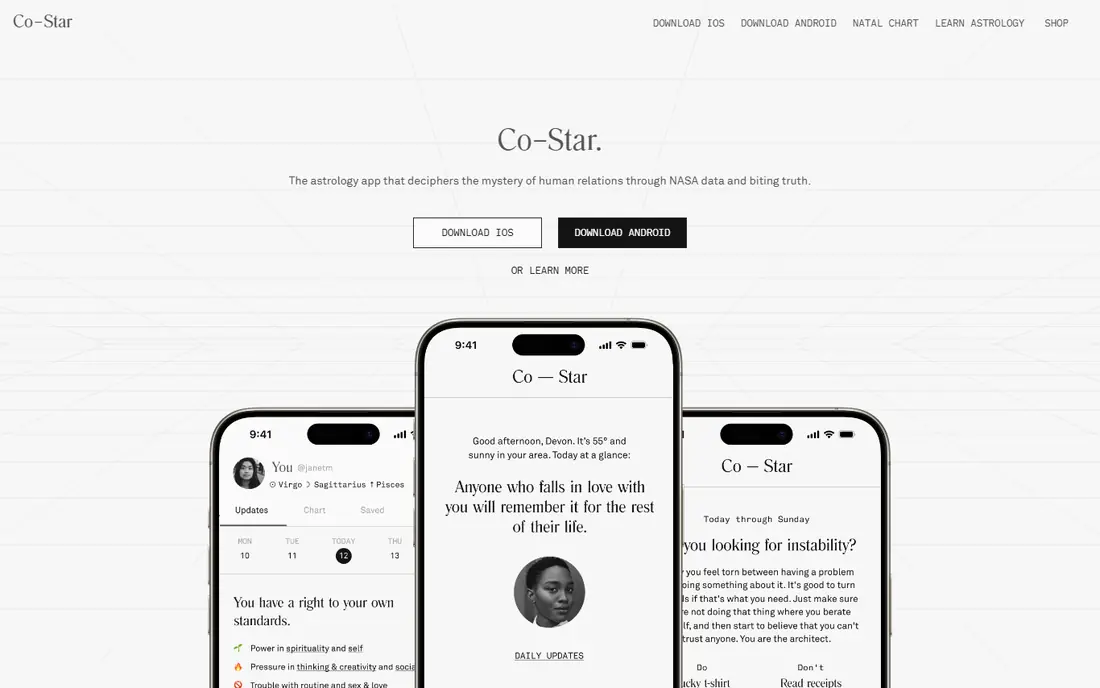
We start with Co-Star because it bases the daily reading on a full birth chart. it uses birth date, time and place to build a chart, then gives daily notes linked to current planetary positions. It fits readers who want more than a single sun-sign paragraph each morning. Its short, direct tone suits some readers and puts others off, so try the free daily first. Read the daily alongside your chart notes, and treat the text as entertainment rather than a forecast. In practice, the right test is a small, realistic job rather than a long feature list, because daily use shows where a tool helps and where it slows you down.
- Full birth chart
- Short daily notes
- Friend compatibility views
- Tone can feel blunt
- Deeper reports need a paid plan
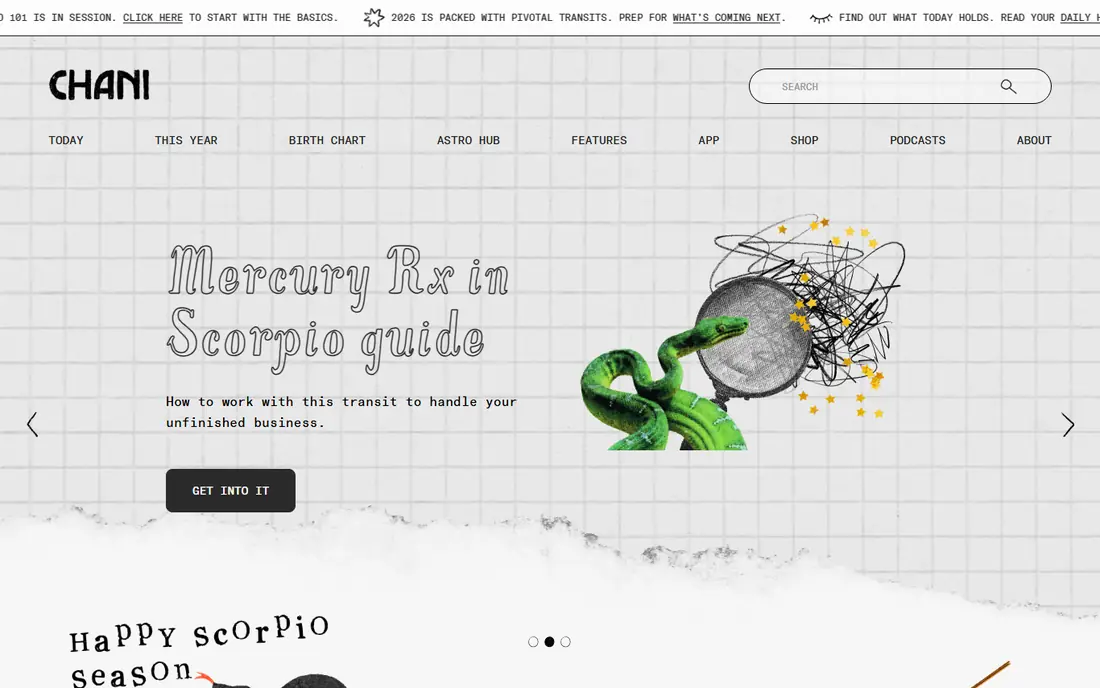
For many readers, CHANI is the first option worth a close look, since it is known for human-written, gentle readings. it offers daily and weekly astrology written by its team, plus meditations and prompts that support a morning routine. It fits readers who want a calm daily habit with reflection, not only a prediction. Its style is more reflective than technical, so chart learners may want a second app. Use the daily note as a prompt for journaling, and skip any advice that does not fit your day. In practice, the right test is a small, realistic job rather than a long feature list, because daily use shows where a tool helps and where it slows you down.
- Human-written readings
- Guided audio and journal prompts
- Weekly notes
- Full library needs a paid plan
- App focus is wellness as well as astrology
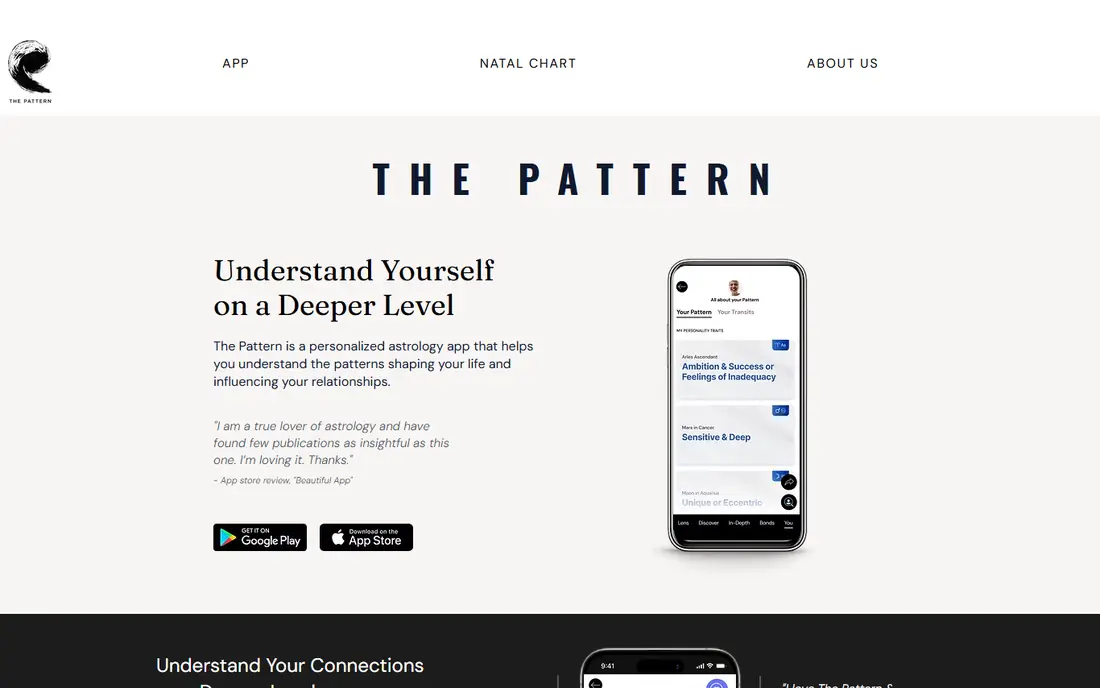
Consider The Pattern when it focuses on patterns and timing over a single horoscope. it builds a personal profile and shows cycles and timing notes that change across days and weeks. It fits readers who like to track mood, energy and timing themes over time. It explains less chart detail than specialist astrology apps, so learners may want more depth. Check the timing notes over a week, and note which themes feel useful and which do not. In practice, the right test is a small, realistic job rather than a long feature list, because daily use shows where a tool helps and where it slows you down.
- Personal timing cycles
- Friend patterns
- Clean daily view
- Deeper timing reports need a paid plan
- Astrology terms are light
A good place to begin is TimePassages, where it is the learning app in this list. it shows a full birth chart with transits, progressions and interpretations that explain what each placement means. It fits readers who want to understand astrology, not only read a daily line. Its depth can overwhelm new readers, so start with the daily and one chart section at a time. Begin with your sun, moon and rising signs, then add transits as you get comfortable. In practice, the right test is a small, realistic job rather than a long feature list, because daily use shows where a tool helps and where it slows you down.
- Detailed birth charts
- Transits and progressions
- Learning material
- Interface feels older than newer apps
- Some reports need payment
We include Sanctuary here because it pairs daily horoscopes with human readings. it offers daily horoscope content plus the option to chat with a professional astrologer for a personal reading. It fits readers who sometimes want a human to talk through a chart question. Live readings add cost, so the daily habit alone may suit many readers better. Use the free daily first, and set a budget before you book a live session. In practice, the right test is a small, realistic job rather than a long feature list, because daily use shows where a tool helps and where it slows you down.
- Daily horoscopes
- Live chat readings
- Personalised profiles
- Live readings cost extra
- Daily content varies by plan
Next up is Nebula, a choice that stands out because it bundles several esoteric tools in one place. it offers daily horoscopes for each sign, a birth chart tool, compatibility views and tarot readings. It fits readers who enjoy exploring more than one practice in a single app. Its breadth means less depth in each area than a specialist chart app. Pick one feature to use daily, and ignore the rest until you know what you enjoy. In practice, the right test is a small, realistic job rather than a long feature list, because daily use shows where a tool helps and where it slows you down.
- Daily horoscopes
- Birth chart
- Tarot and compatibility tools
- Many features need a paid plan
- Content style is general
Turning to AstroSage, we find it is a strong choice for Vedic astrology. it offers Vedic birth charts, Kundli reports, panchang details and daily horoscopes by sign. It fits readers who follow Vedic tradition or want to compare it with Western astrology. Its terms and layout take time to learn, especially for readers new to Vedic astrology. Start with the daily horoscope and one chart report, and learn terms one at a time. In practice, the right test is a small, realistic job rather than a long feature list, because daily use shows where a tool helps and where it slows you down.
- Vedic charts and Kundli
- Panchang
- Daily horoscopes
- Vedic terms need learning
- Interface is busy for new users
Astrology Zone
Who it suits: Readers who want long, sign-by-sign monthly horoscopes
Another strong option is Astrology Zone, where it is known for detailed, long-form horoscopes. it publishes monthly horoscopes for each sign in depth, plus daily overviews for a quicker read. It fits readers who enjoy reading a full monthly picture rather than a short daily line. Its length suits patient readers more than people who want a one-line morning note. Read the monthly overview at the start of the month, and use the daily note as a short check-in. In practice, the right test is a small, realistic job rather than a long feature list, because daily use shows where a tool helps and where it slows you down.
- Detailed monthly horoscopes
- Daily overviews
- Long-form writing
- App and site layout feel dated
- Some content needs a paid plan
How we picked these
We looked for apps with a genuine daily horoscope, a free way to try it, and a clear chart or profile behind the reading where relevant. We favoured apps that are still maintained, that explain their approach, and that offer more than a copied sun-sign line. We did not judge apps on whether their readings come true, since horoscopes are entertainment and personal meaning varies. We noted where live readings or deep reports cost extra.
How to choose an astrology app for daily horoscopes
Start with the reading length you will actually read. A short daily note works for a busy morning, while a long monthly horoscope suits a slower weekend read. If you open the app once a day, a widget or notification helps, but it should feel pleasant rather than pushy. Turn off alerts that make you check too often. Next, decide how much chart detail you want. A sun-sign horoscope needs only your sign, while a chart-based reading needs birth date, time and place. Chart apps give more personal detail, but they also ask for more personal data, so check privacy settings before you enter birth details. Share only what you are comfortable sharing. Finally, keep the habit light. Use the daily note as a prompt to reflect, plan or notice a theme, and leave it there. If a reading causes worry about health, money or relationships, step back and seek real advice from a qualified professional. A good astrology app adds a small moment of fun to the day, not pressure.
Frequently asked questions
What is the best astrology app for daily horoscope?
Co-Star is a strong general choice, since it bases the daily reading on a full birth chart and is free to try. CHANI suits readers who prefer warm, human-written notes. The best app depends on whether you want a short note, chart detail or a learning tool.
Are horoscopes accurate?
Horoscopes are entertainment, not proven forecasts. People often find personal meaning in general statements, which is a normal human pattern. Enjoy the daily reading as reflection or fun, and do not use it to predict events or make major decisions.
Do I need my birth time for a daily horoscope?
No, a sun-sign horoscope needs only your sign. A chart-based daily reading works better with birth date, time and place, since those details build the full chart. If you do not know your birth time, many apps still give a useful daily note.
Which astrology app is best for beginners?
Co-Star and CHANI are both beginner-friendly, with short daily readings and clear profiles. TimePassages is better once you want to learn chart terms. Start with one app for a week, then add a second only if you want more depth.
Can an astrology app replace professional advice?
No. Horoscopes do not replace medical, financial, legal or mental health advice. If a reading touches on a serious decision, talk to a qualified professional. Use astrology apps for fun and reflection, and keep important choices grounded in real advice.
Sources we checked (8)

Online Jobs is an independent blog about careers, online work, learning new skills and the tools that help people earn. More about us.
Keep reading
All posts
Best Wedding Planning Apps
Compare the best wedding planning apps in 2026, from The Knot and Zola to Joy and Appy Couple, with free tools, registries, RSVP features and budget tools.

Best Wedding Budget Apps
Looking for the best wedding budget apps? We compare Zola, Joy, The Knot and more on budget tracking, guest lists, seating and extra fees before you plan.

Best Rental App
Looking for the best rental app? We compared 8 apps for apartments and houses on listings, maps, alerts and application costs to help you find a home.